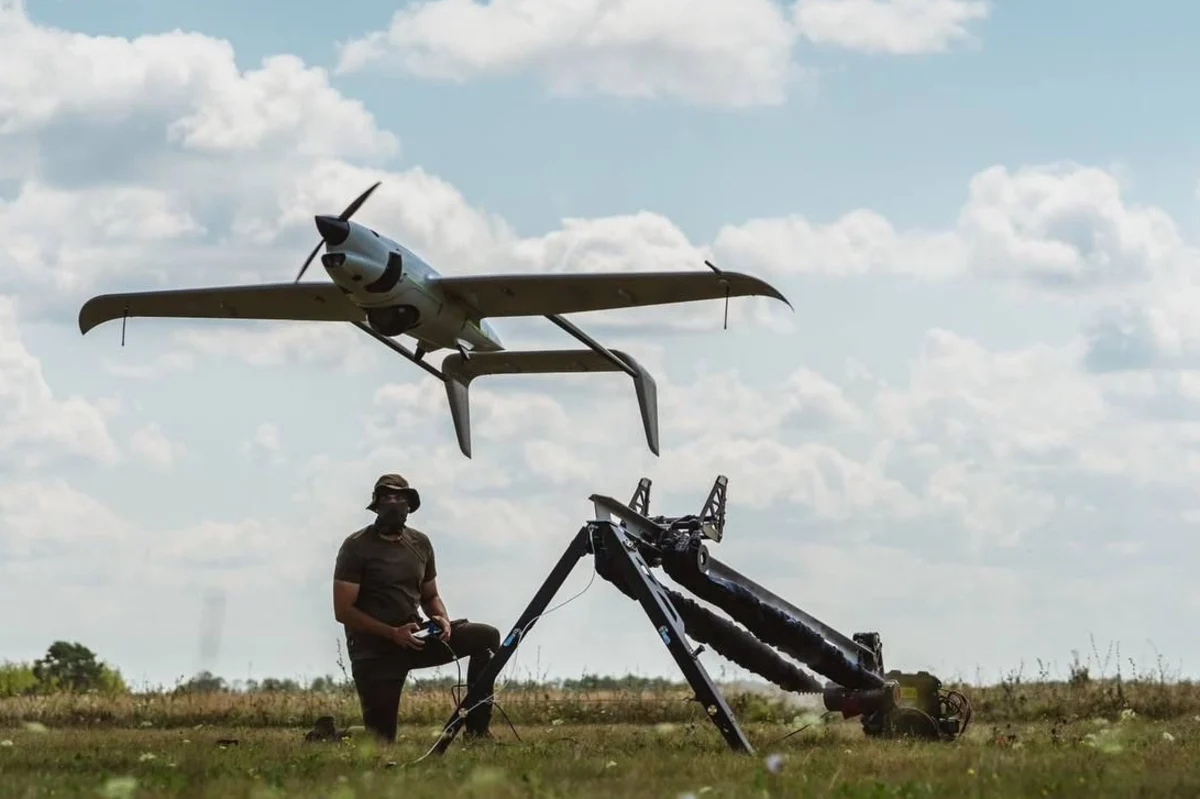
U.S. Army Awards $10.6 Million Raybird UAV Contract to Skyeton
The firm-fixed-price award covers unmanned aircraft hardware and services, but the Army has not disclosed quantities, delivery locations or the operating unit.
TOPIC / 30 ARTICLES
Reporting, analysis and explainers tracking the systems, companies, programs and operational developments shaping Procurement.
LATEST COVERAGE
The firm-fixed-price award covers unmanned aircraft hardware and services, but the Army has not disclosed quantities, delivery locations or the operating unit.
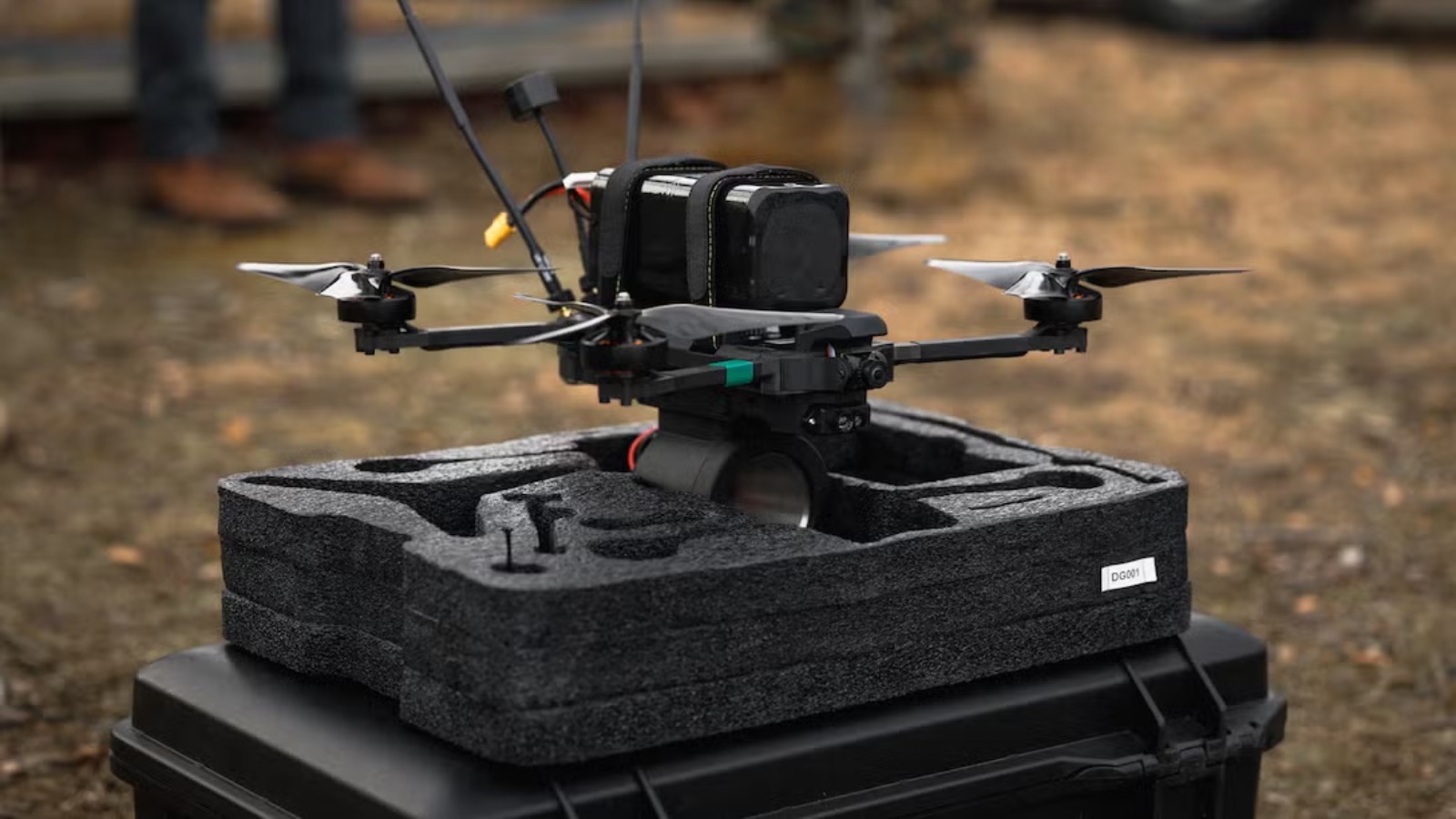
The Pentagon’s Drone Dominance Program selected the top performers in its second competition for low-cost unmanned aircraft in two mission areas.
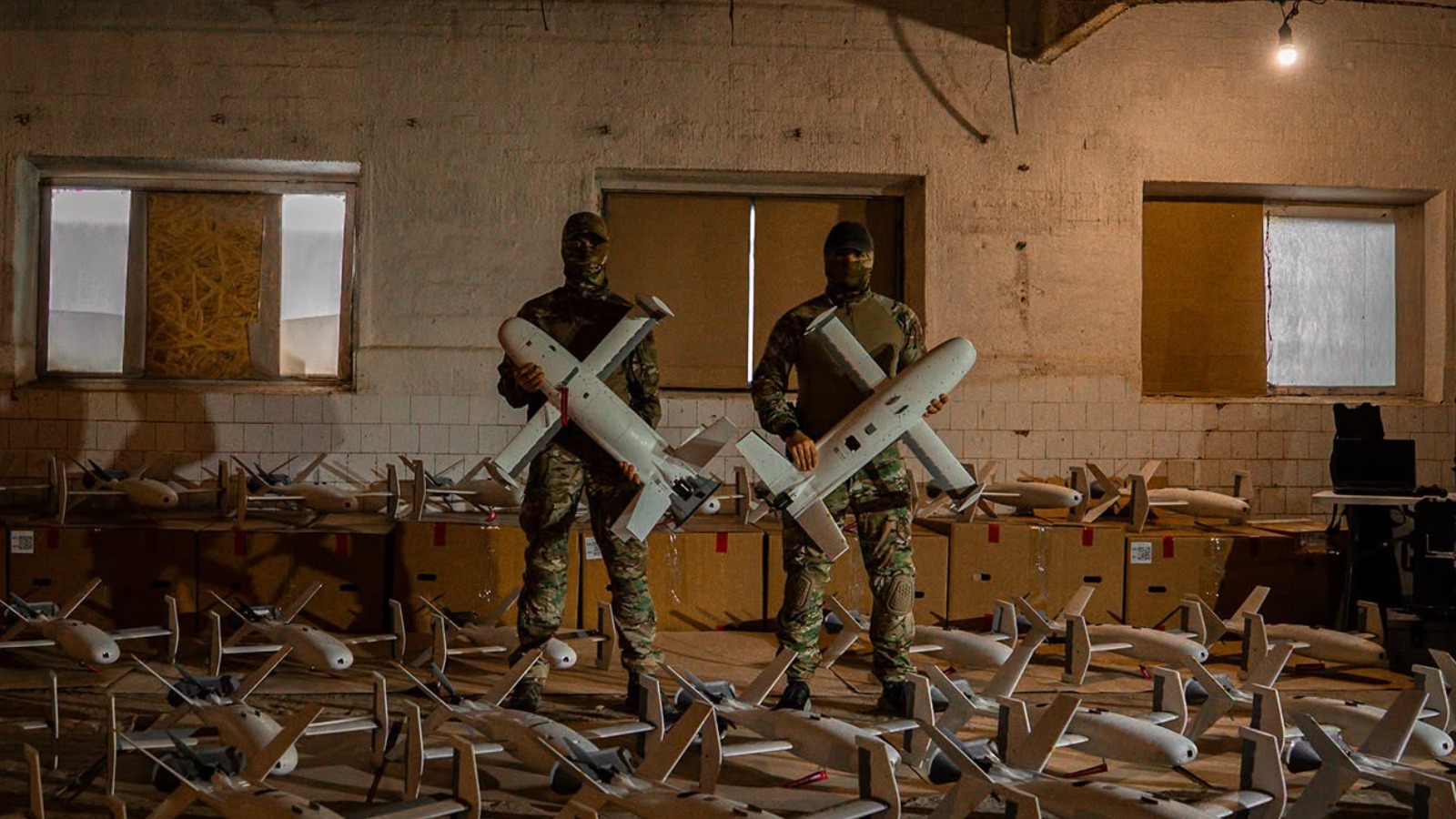
The equipment donation, made through the Dronefall fundraising campaign, includes five ground stations and is valued at about $990,000.

Australian-made remote weapon modules combining a 30 mm cannon, radar and electro-optical targeting have been photographed operating on Ukrainian pickup trucks.
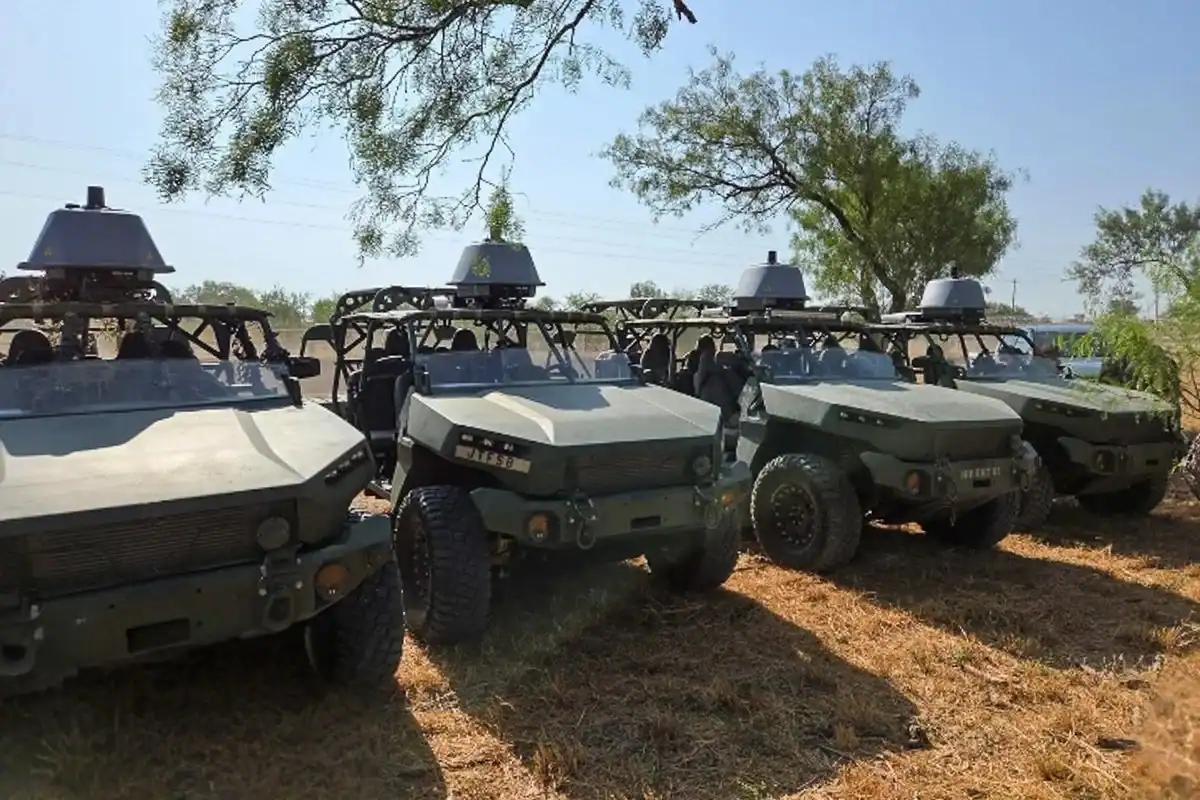
DroneSentry-X Mk2 systems have reached initial operational capability after delivery, installation, testing and training under a Joint Task Force 401 contract.
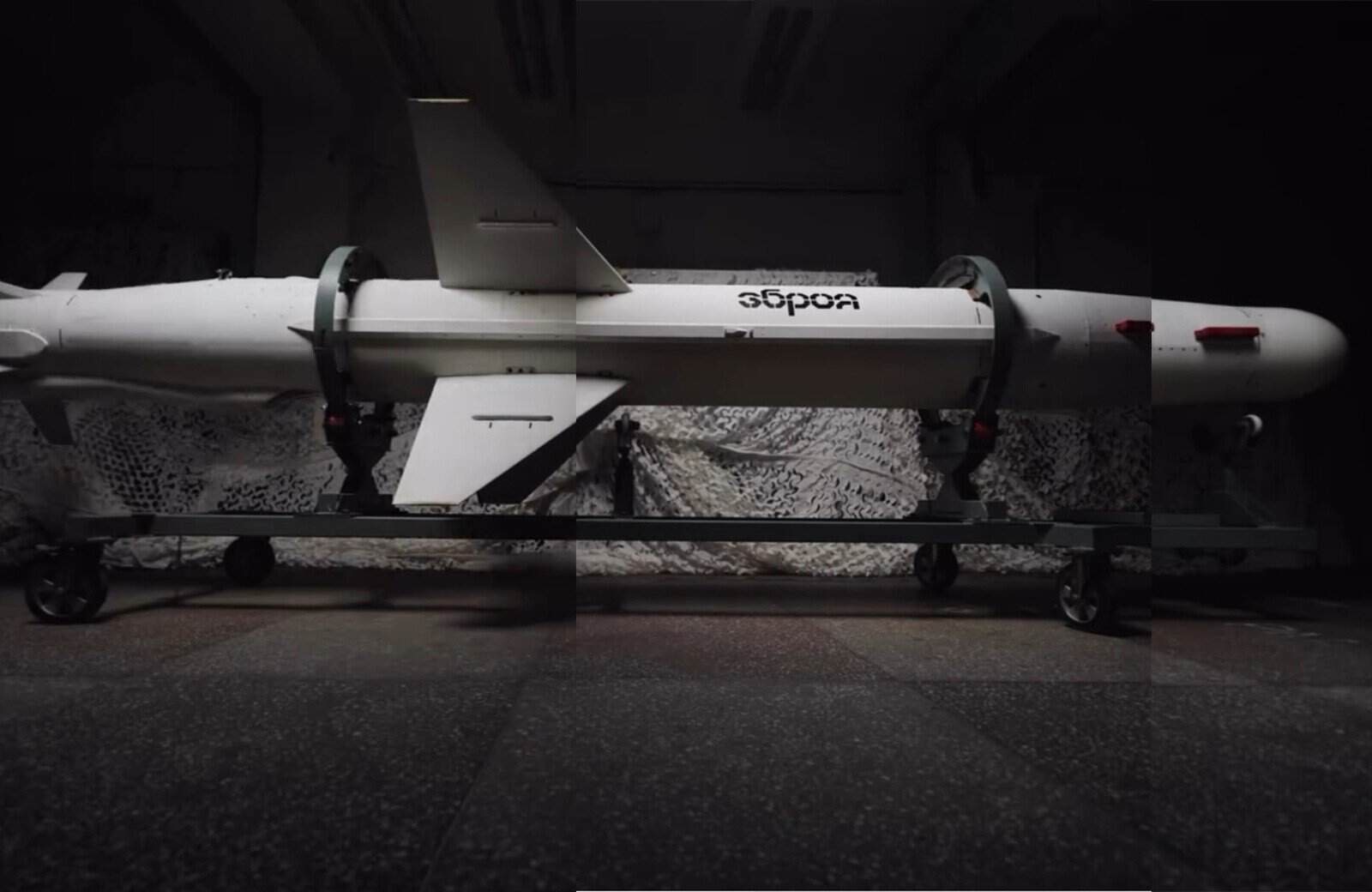
The additional assistance is part of a €90 billion loan package, although the European Commission did not disclose the share earmarked specifically for drones.
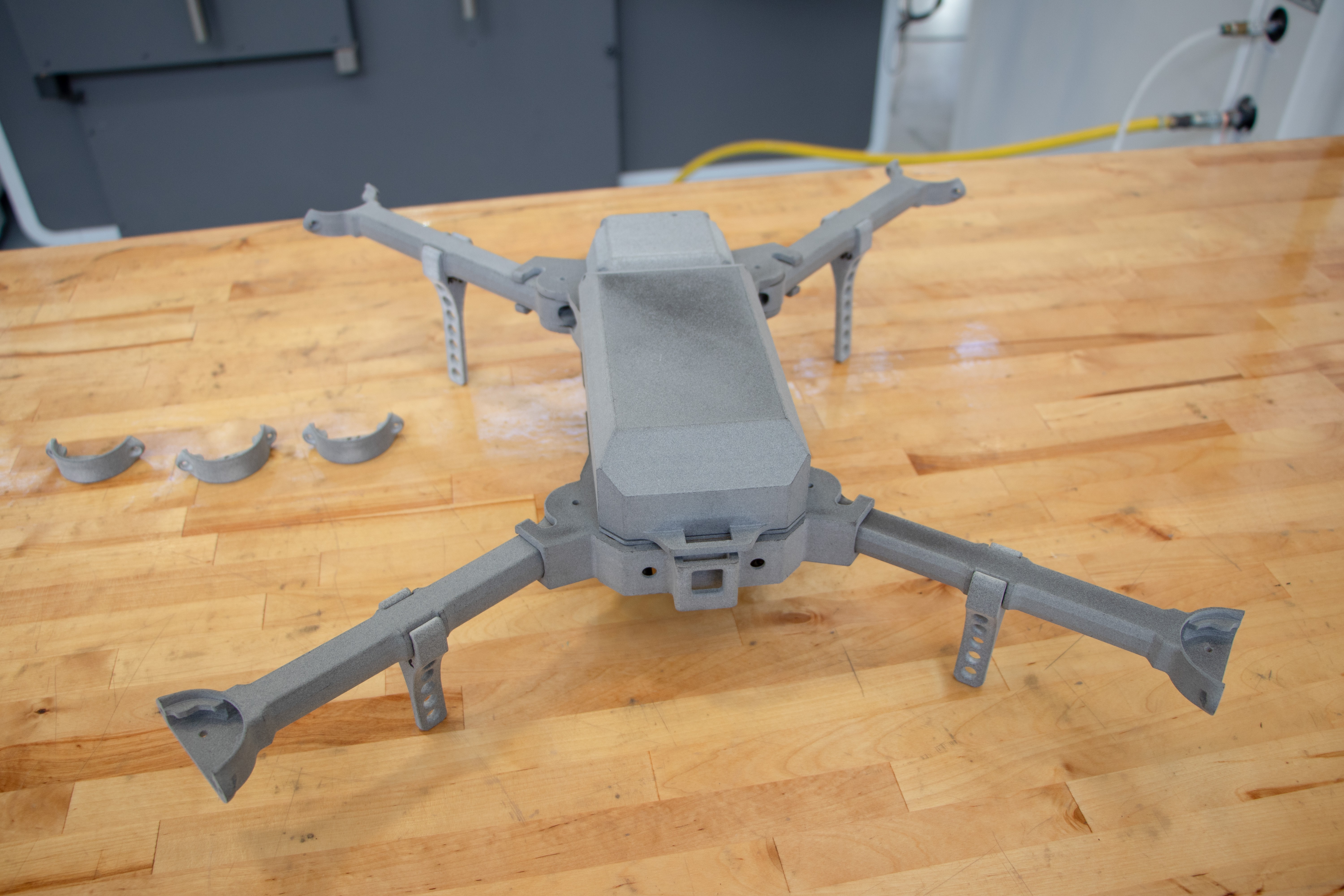
The famous cheap-drone-versus-expensive-target comparison is real — but incomplete. The deeper shift is in cost per effect, magazine depth, production speed and the ability to force an adversary into bad exchanges.
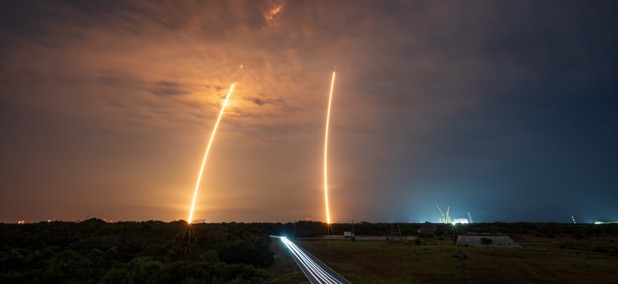
Joint Interagency Task Force 401 is expected to provide undisclosed systems in the coming weeks as the Space Force seeks stronger protection against small unmanned aircraft at the Florida launch site.
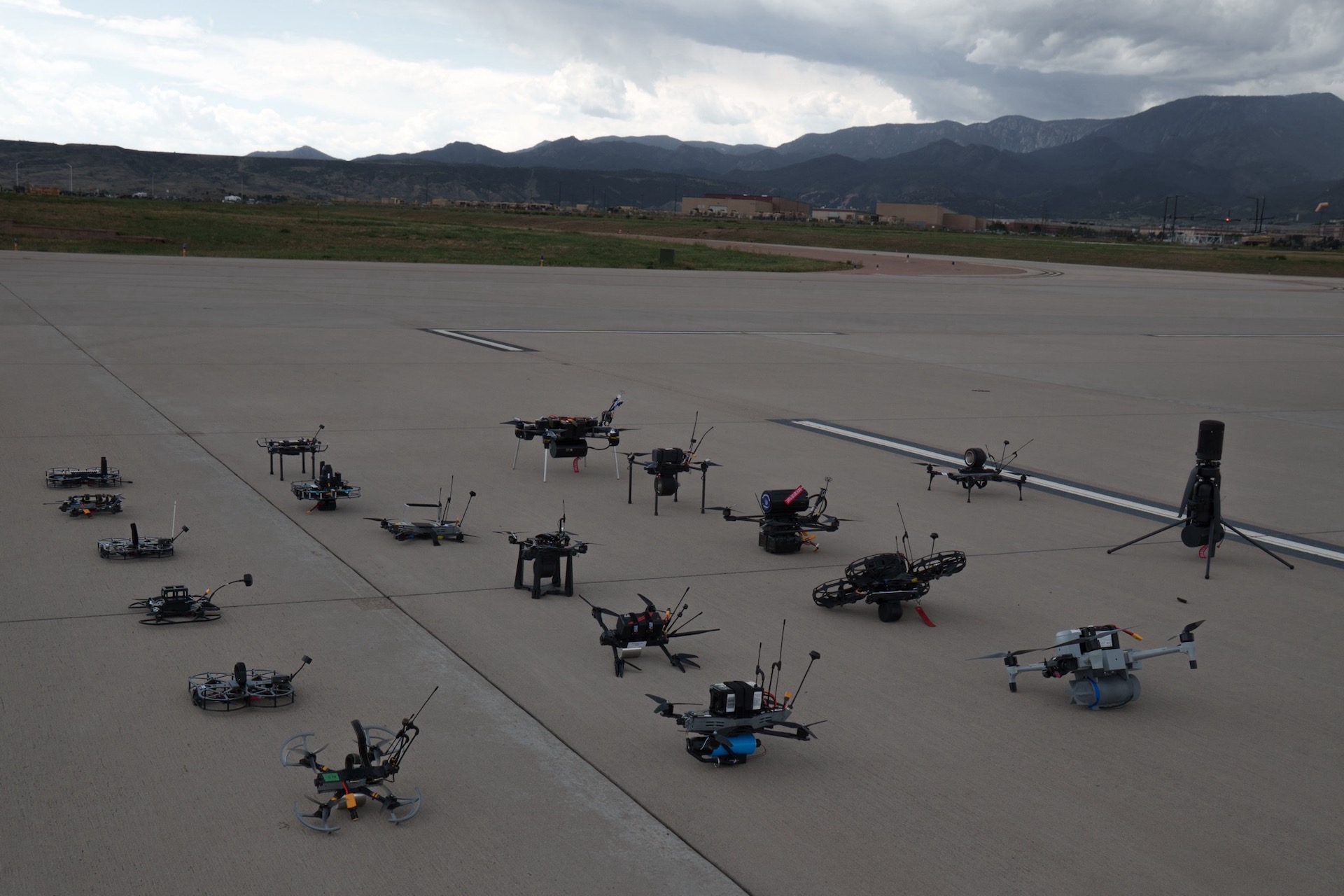
The second Drone Dominance Program competition assessed 23 small-UAS platforms in 1,858 sorties, with a bomber-drone evaluation planned next month.
The company is building several prototypes of the payload-capable uncrewed aircraft, with a first flight expected by the end of 2027.

The service plans to place at least 500 autonomous aircraft in service by 2032, alongside a separate massed modular aircraft effort.
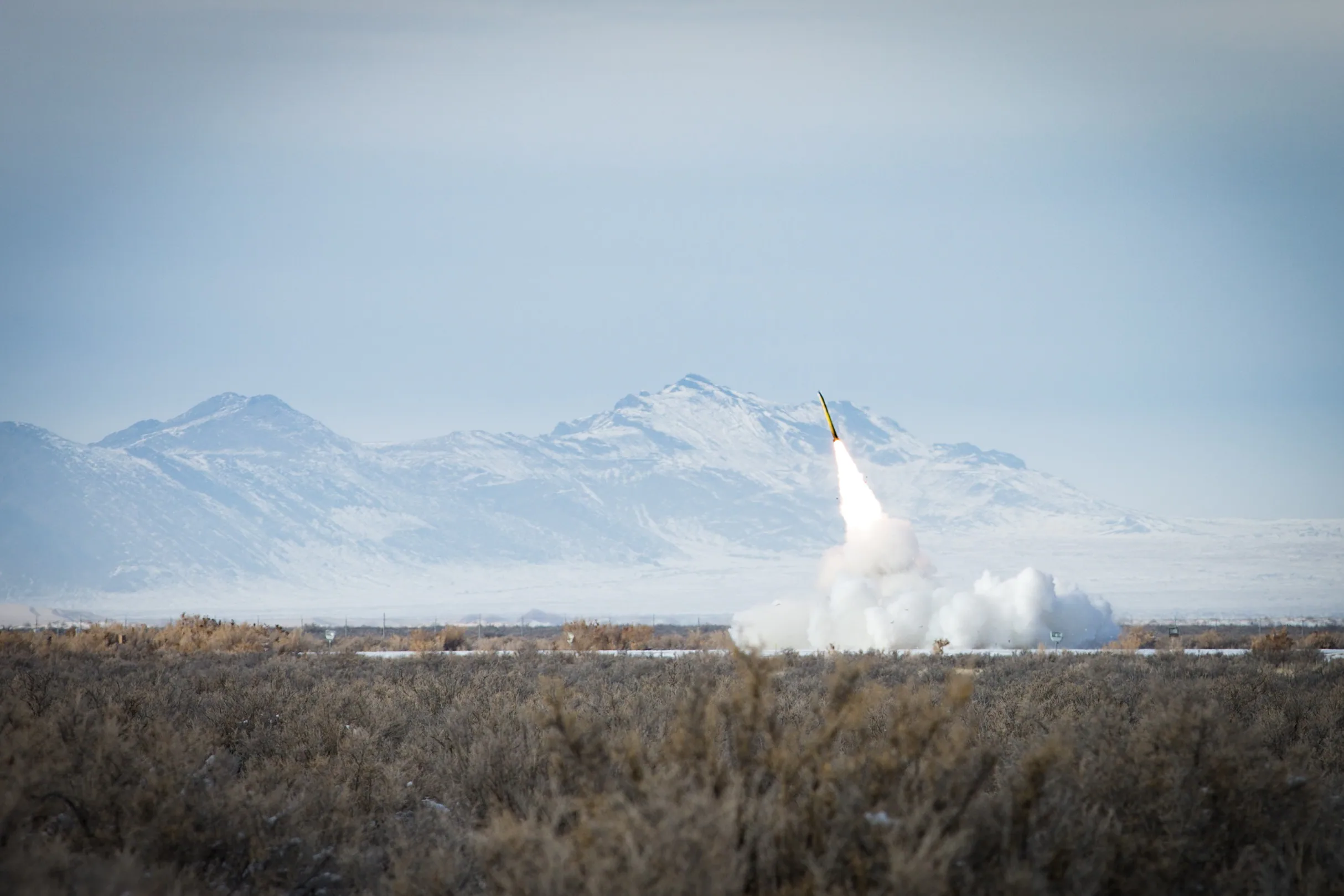
Private companies will be able to seek access through a new online portal, including for electronic-warfare testing designed around conditions observed in Ukraine.
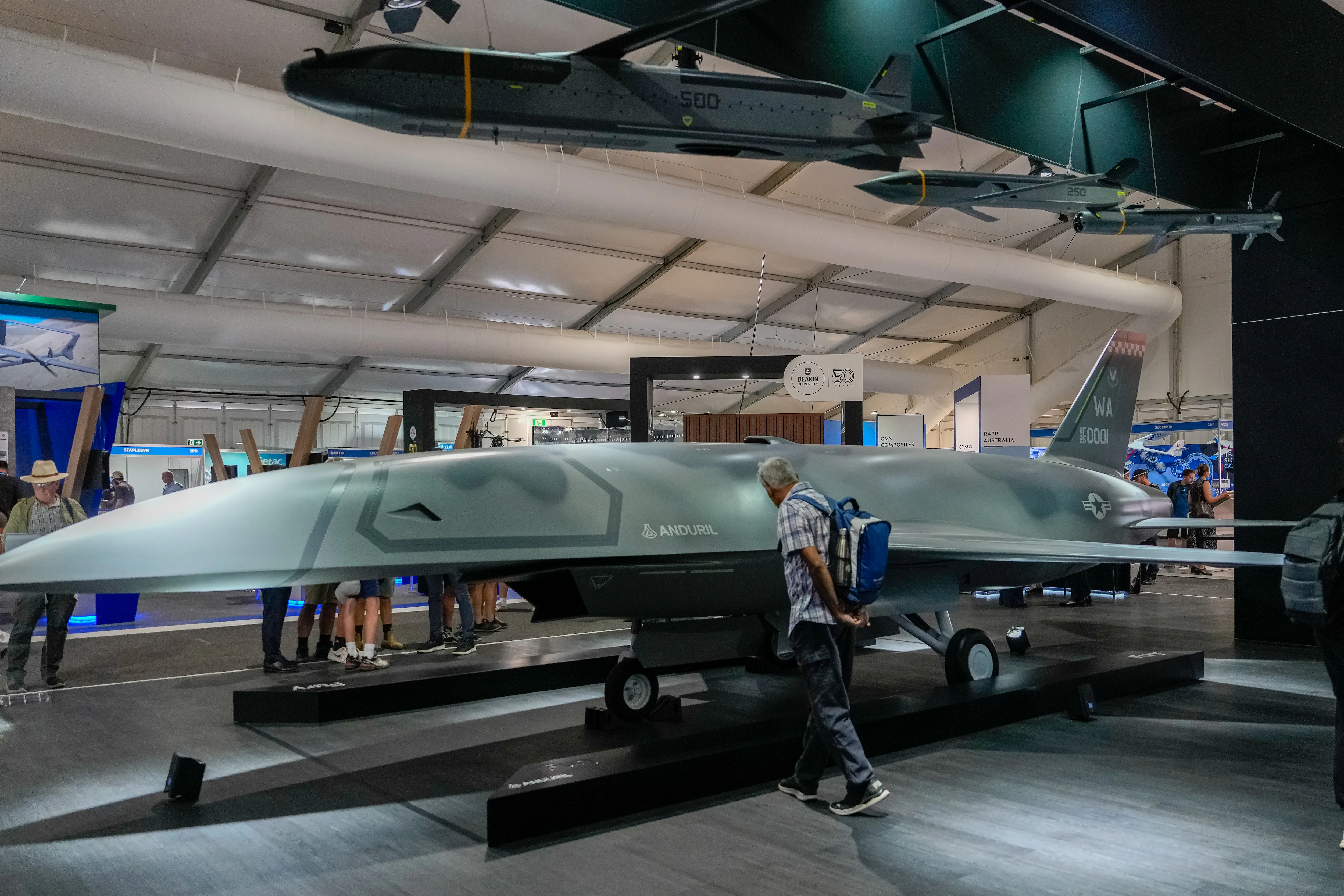
The U.S. company is pairing its unmanned aircraft proposal with a planned Polish production partnership for the Barracuda-500M missile.

A new Direct Reporting Portfolio Manager for Unmanned Systems will report to the deputy defense secretary and coordinate programs spanning drones, uncrewed vessels, ground robots and counter-drone technologies.
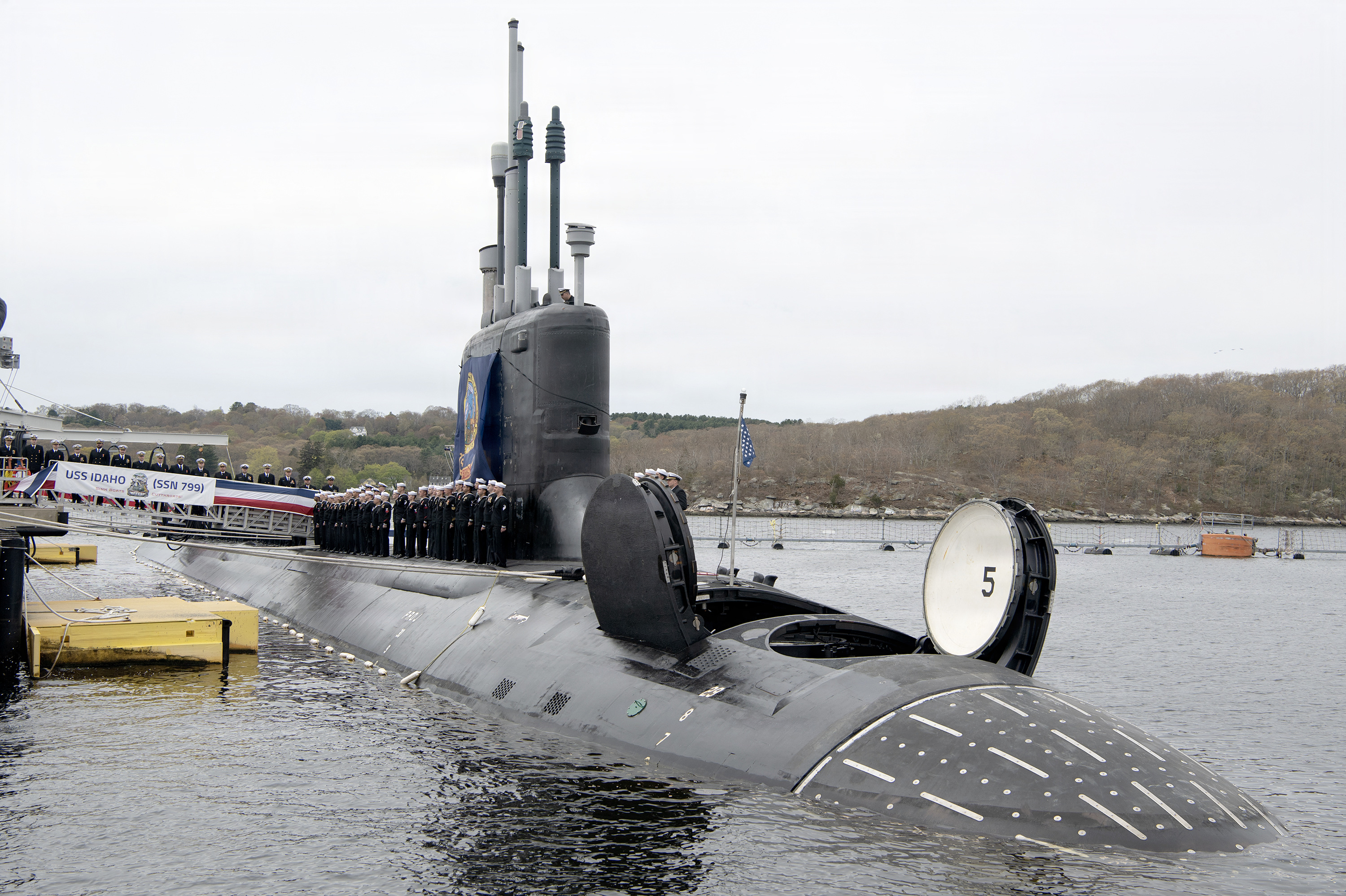
General Dynamics Mission Systems will produce 188 additional Hammerhead Encapsulated Effector units under a $230 million Navy contract modification.
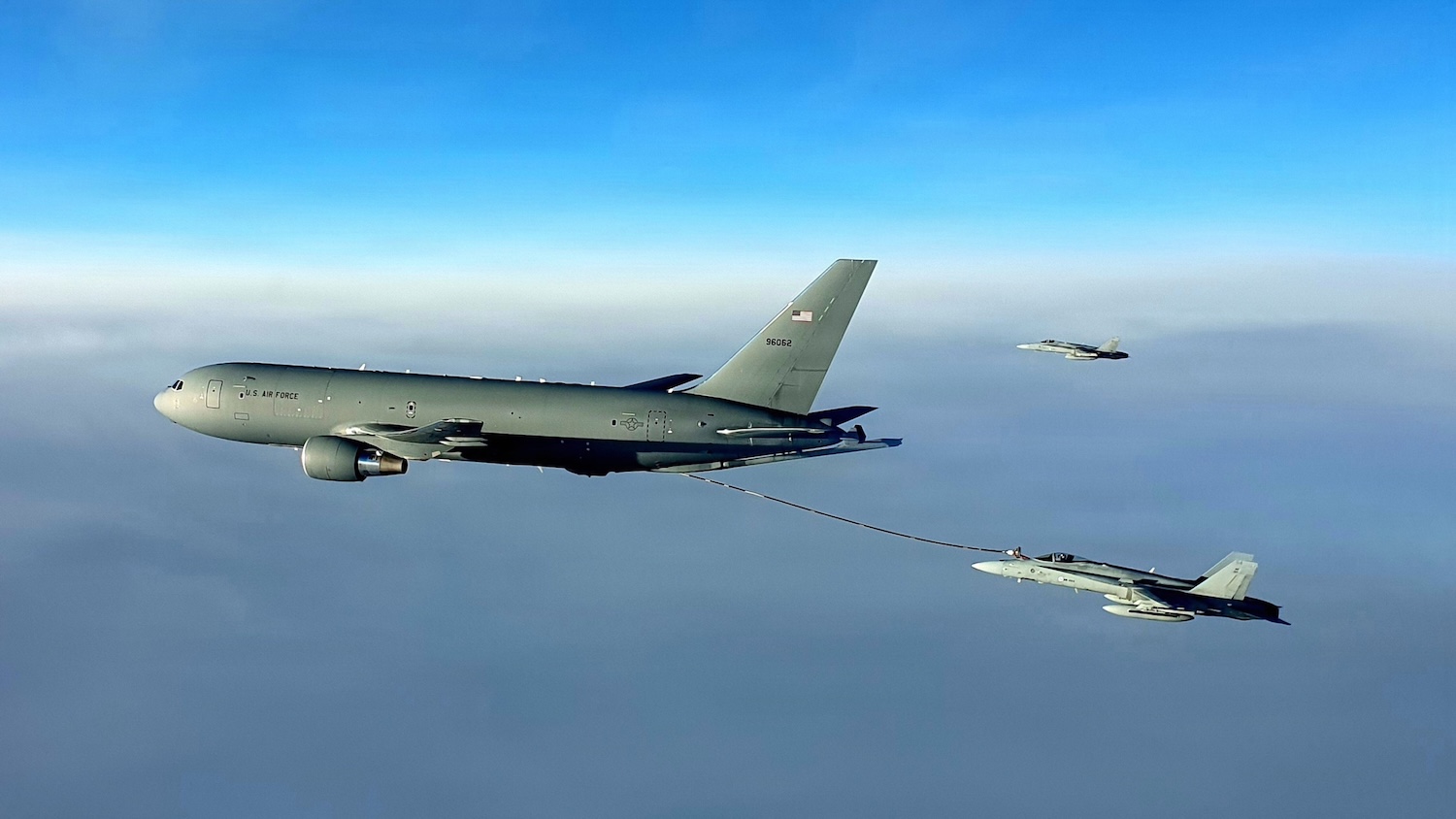
Air Mobility Command is examining manned, optionally manned and autonomous concepts as it shifts funding toward advanced tanker systems.
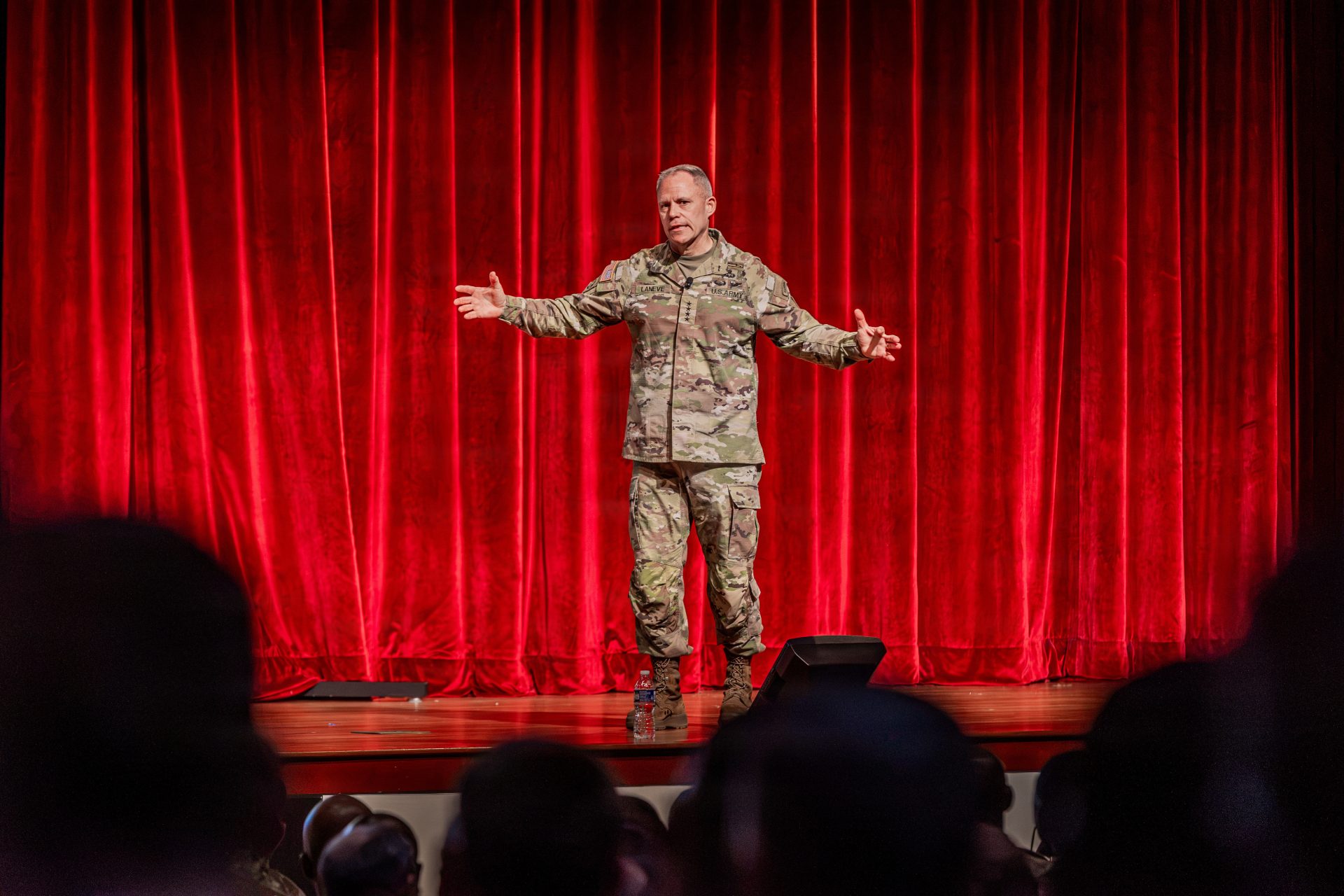
Gen. Christopher LaNeve said the decision predates his tenure, while Army officials describe the 173rd unit as a vehicle for distributing drone-warfare lessons across the force.
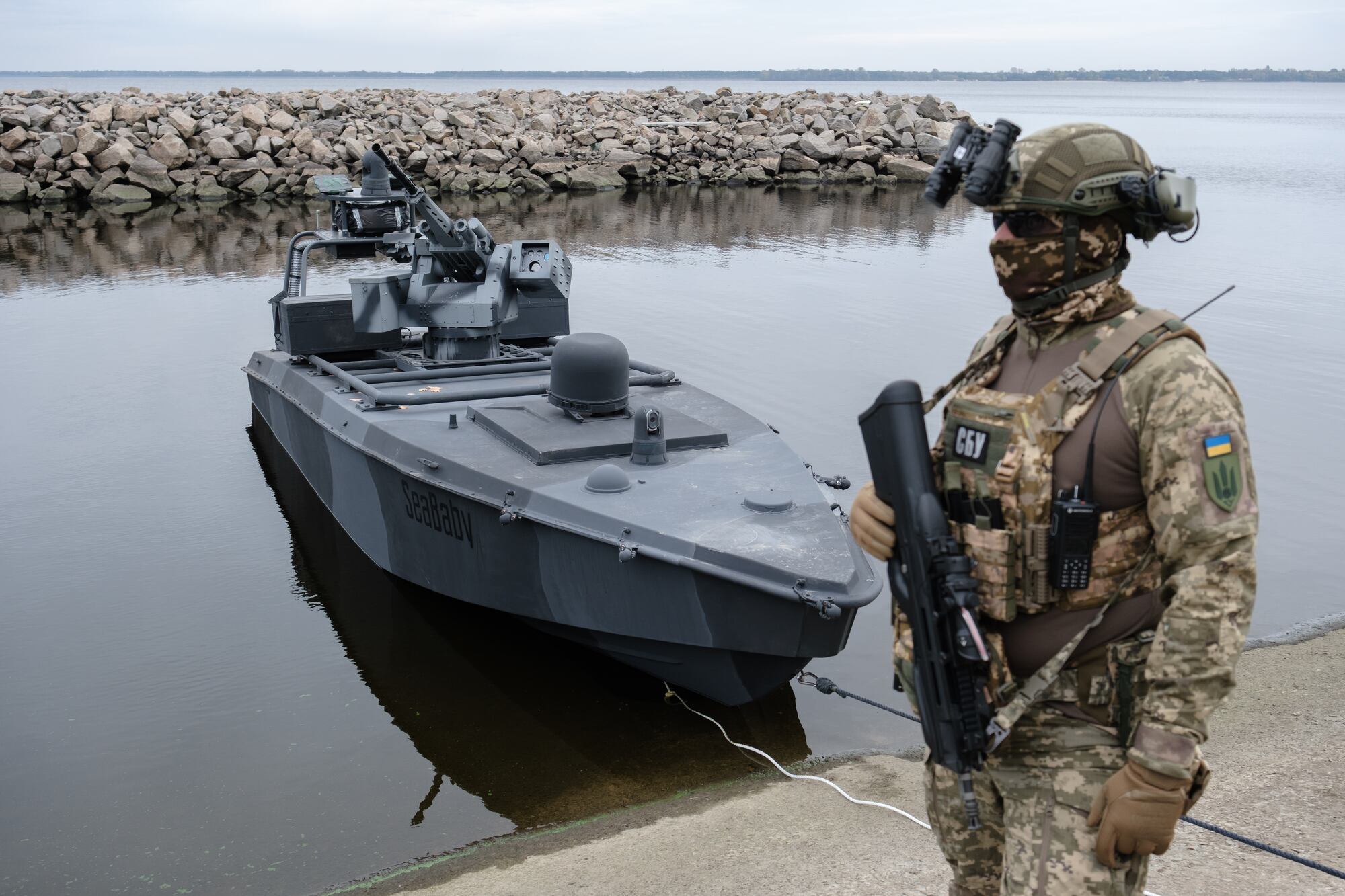
Ukraine’s Security Service has configured its Sea Baby unmanned surface vessel to deploy six to eight FPV attack drones, adding an aerial-launch role to the naval platform.
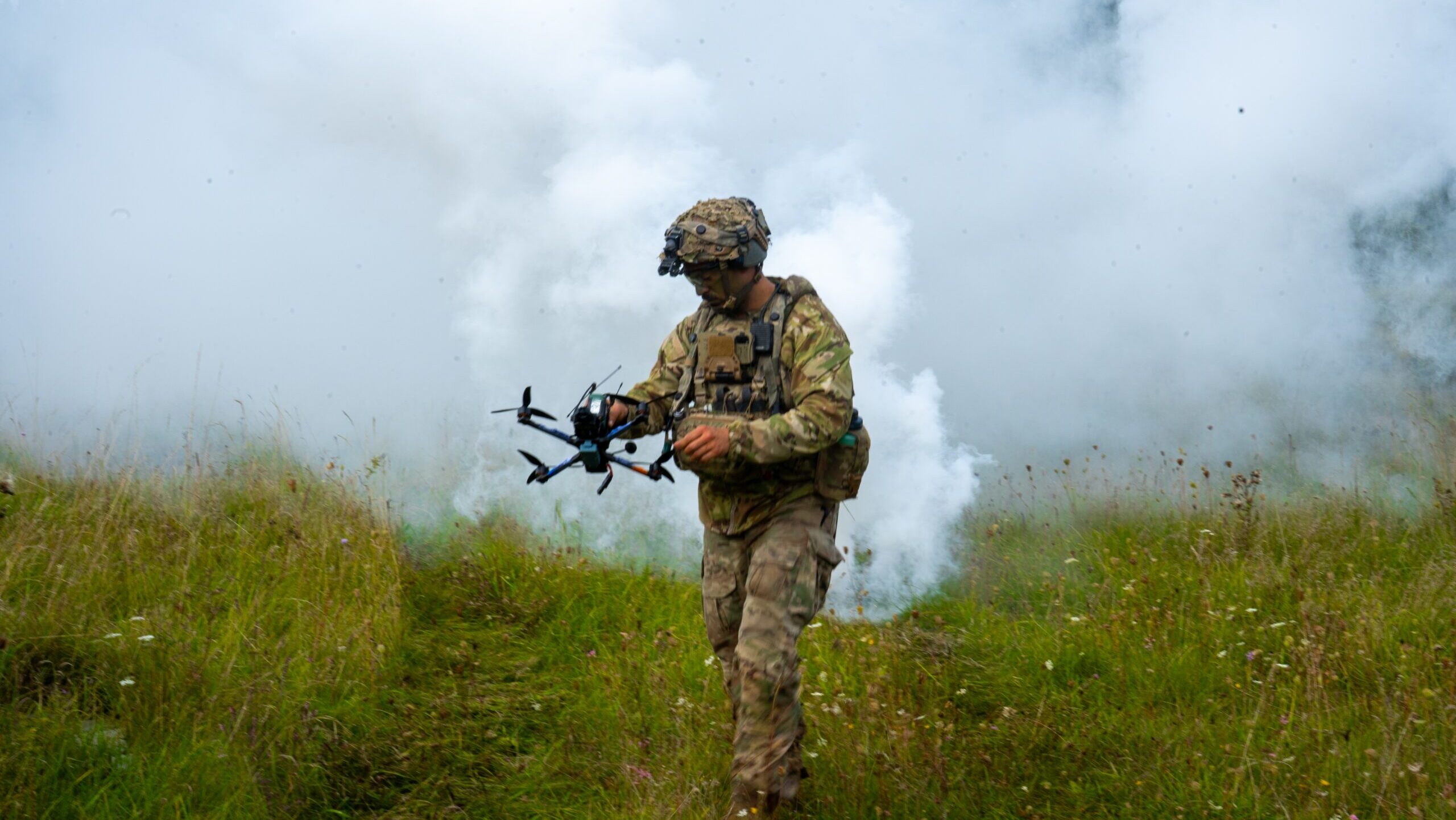
Army officials say drone supply is sufficient for platoon-level capability, while training qualified squad-level operators in contested electromagnetic conditions remains a priority.
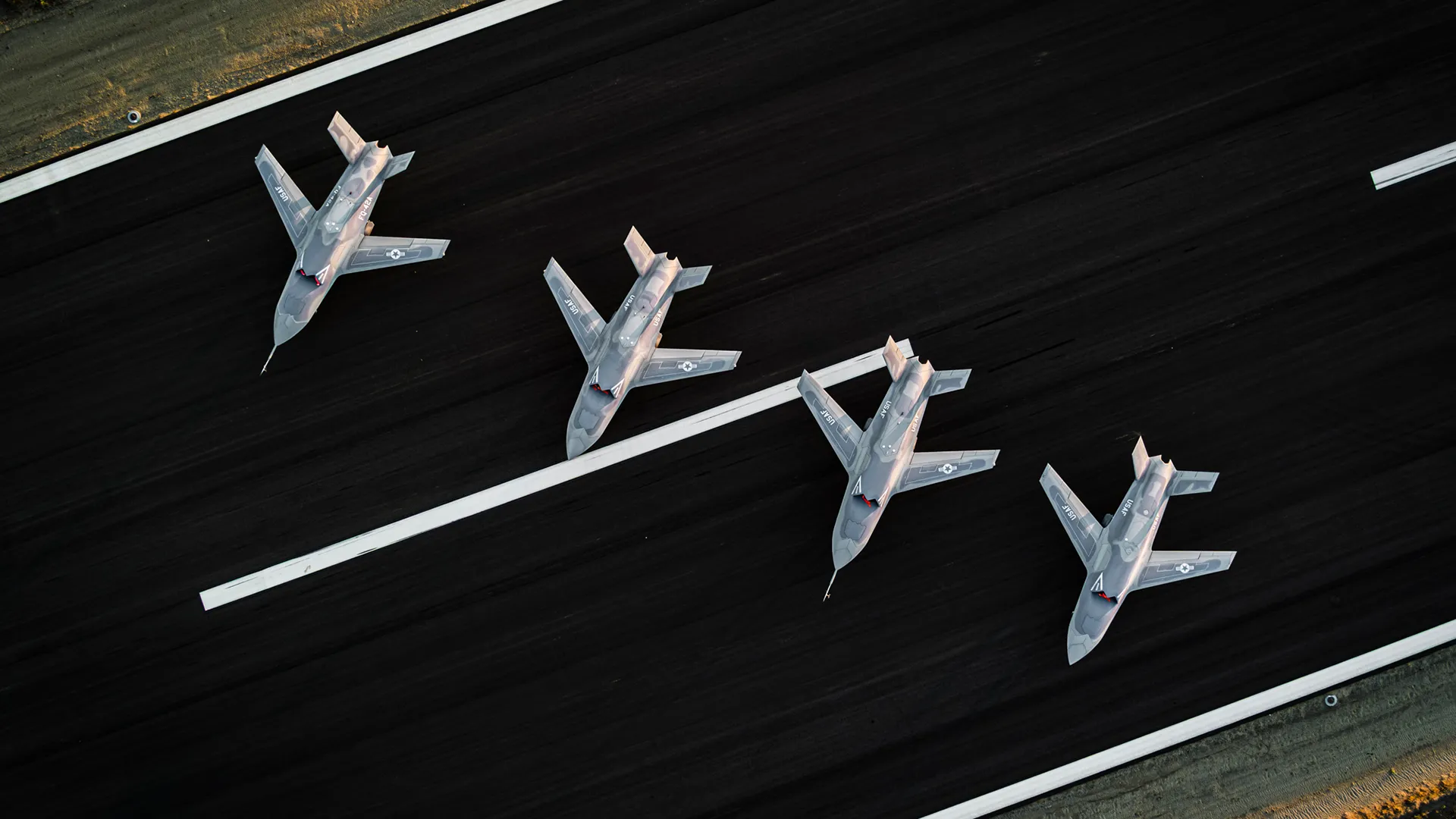
The manufacturer discussed its Collaborative Combat Aircraft offering and a lower-cost modular platform in a sponsored interview at Air, Space & Cyber 2026.
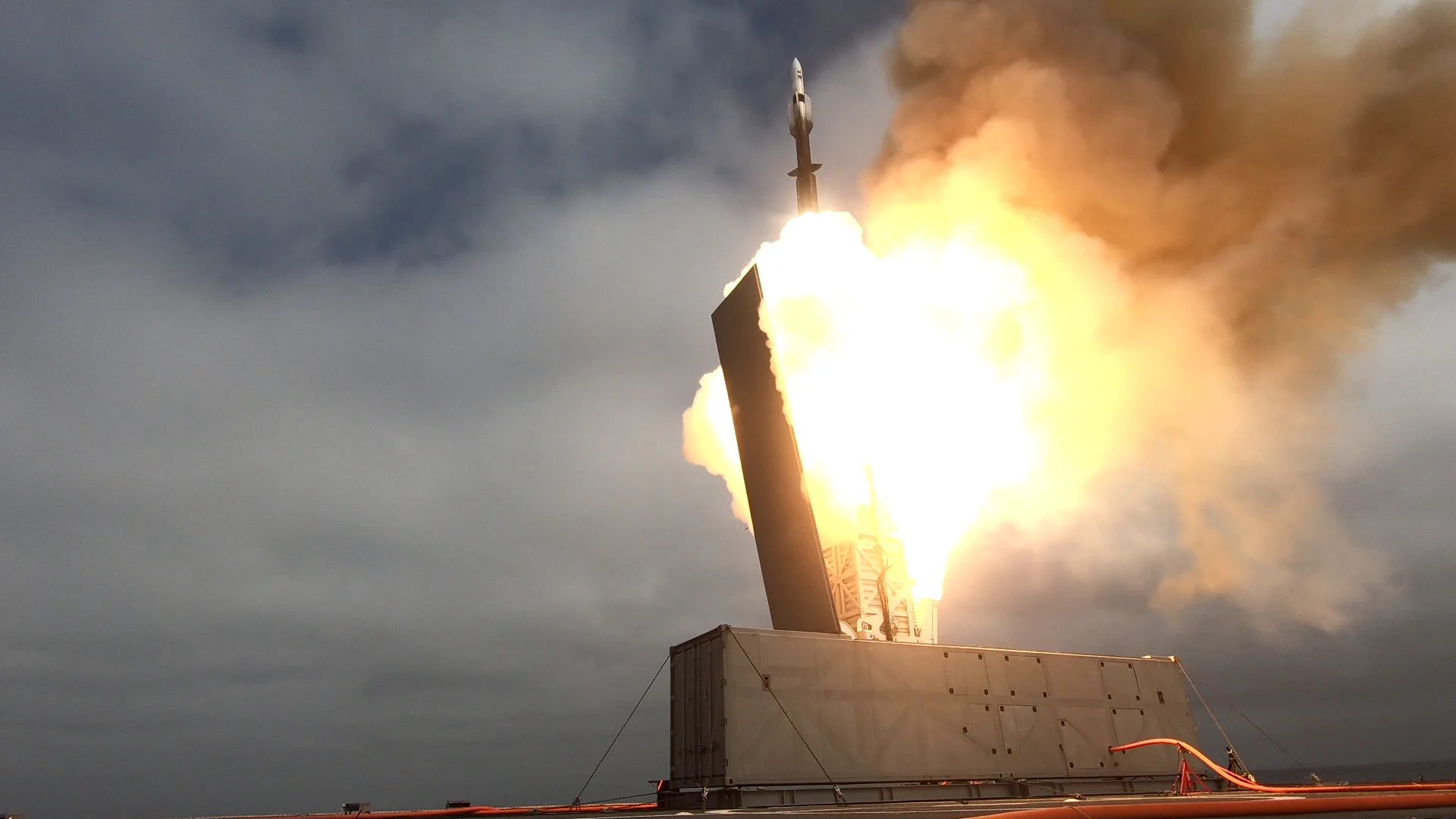
The Naval Affordable Interceptor concept calls for a ship-mounted container launcher with at least 60 missiles and no permanent warship modifications.
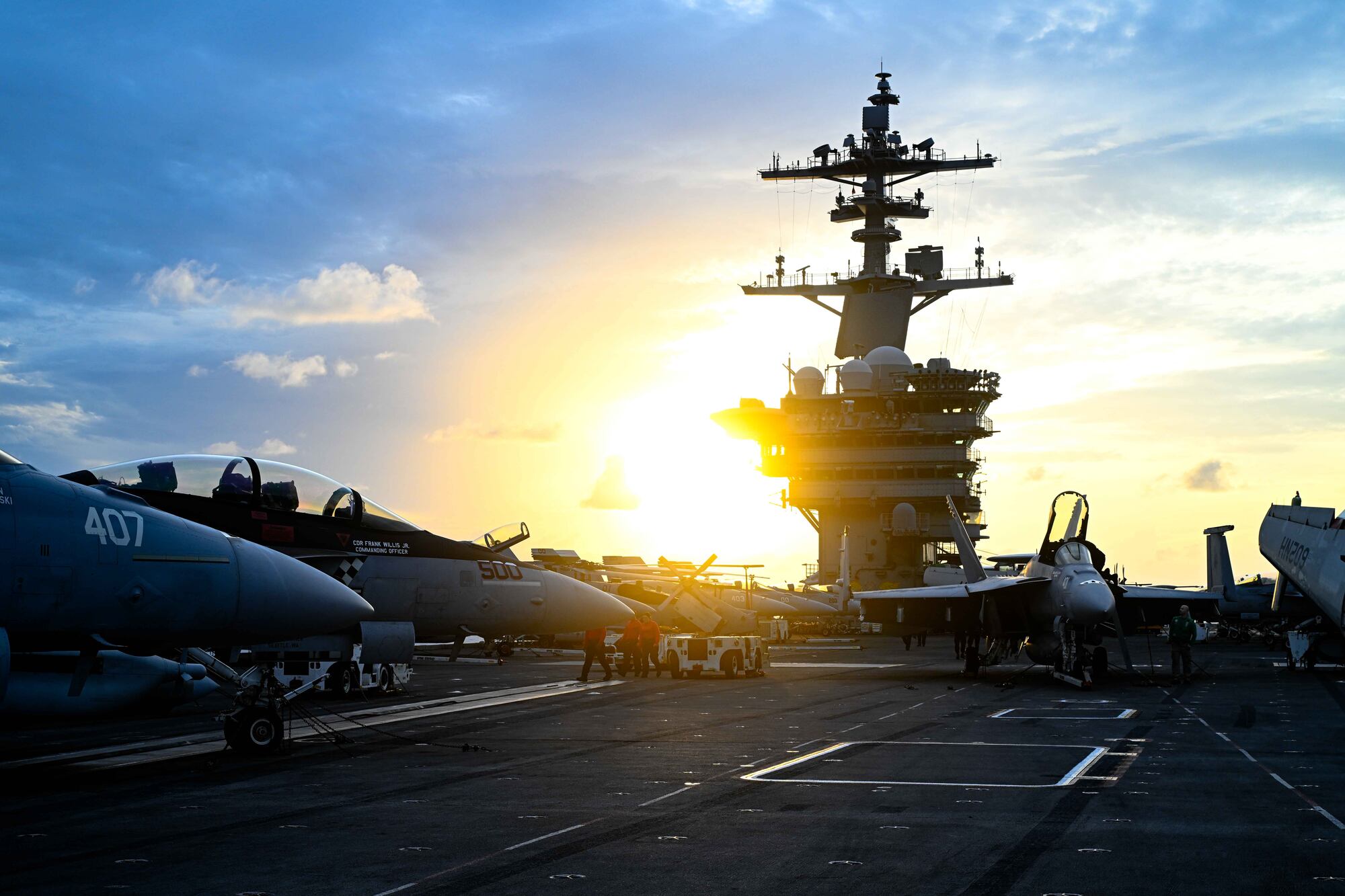
The Navy says the carrier’s Unmanned Air Warfare Center can support command and control of Boeing’s MQ-25A unmanned aerial refueling aircraft.
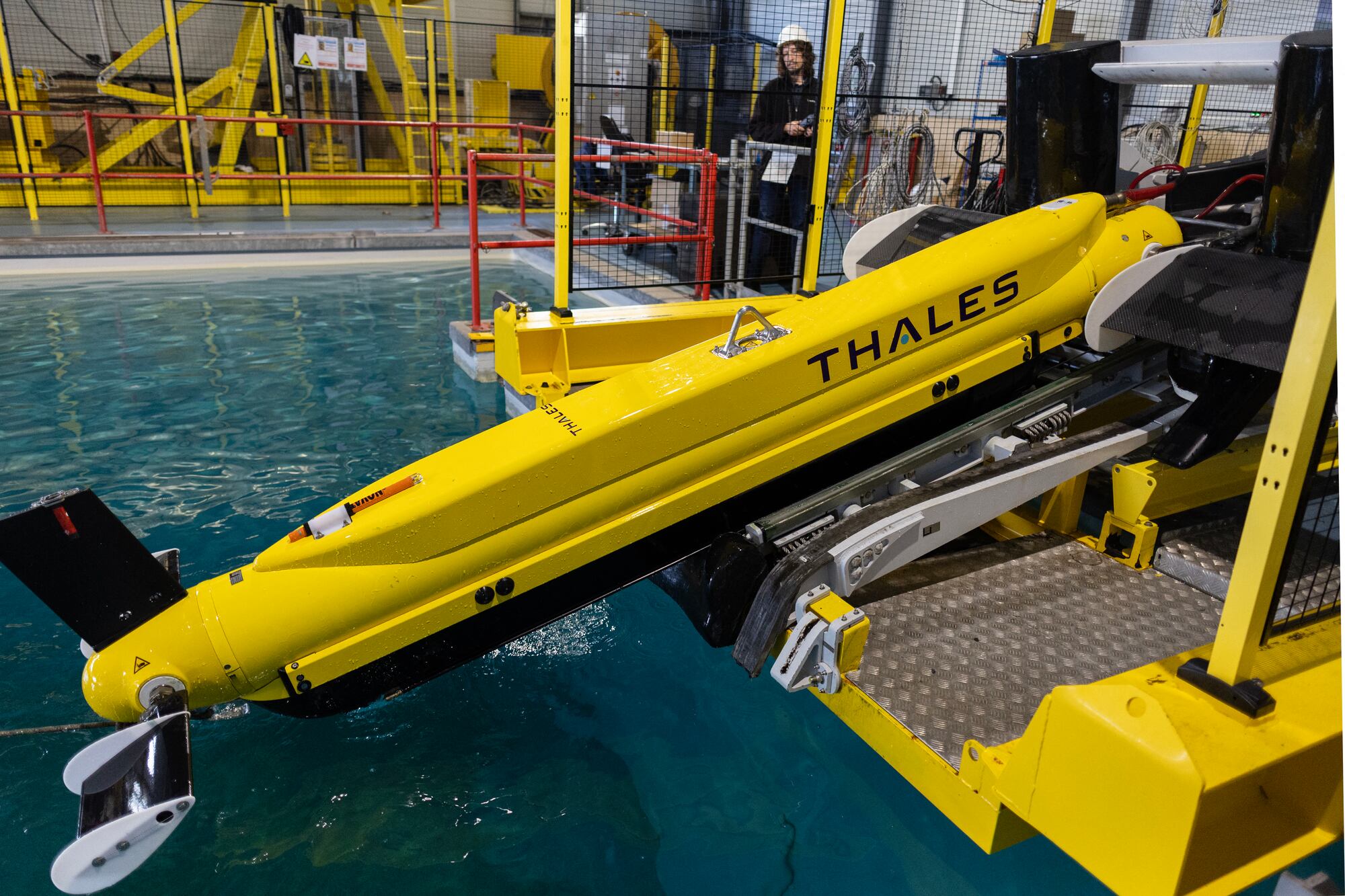
The French defence group would add underwater and surface drone systems used in European autonomous mine-hunting programmes.
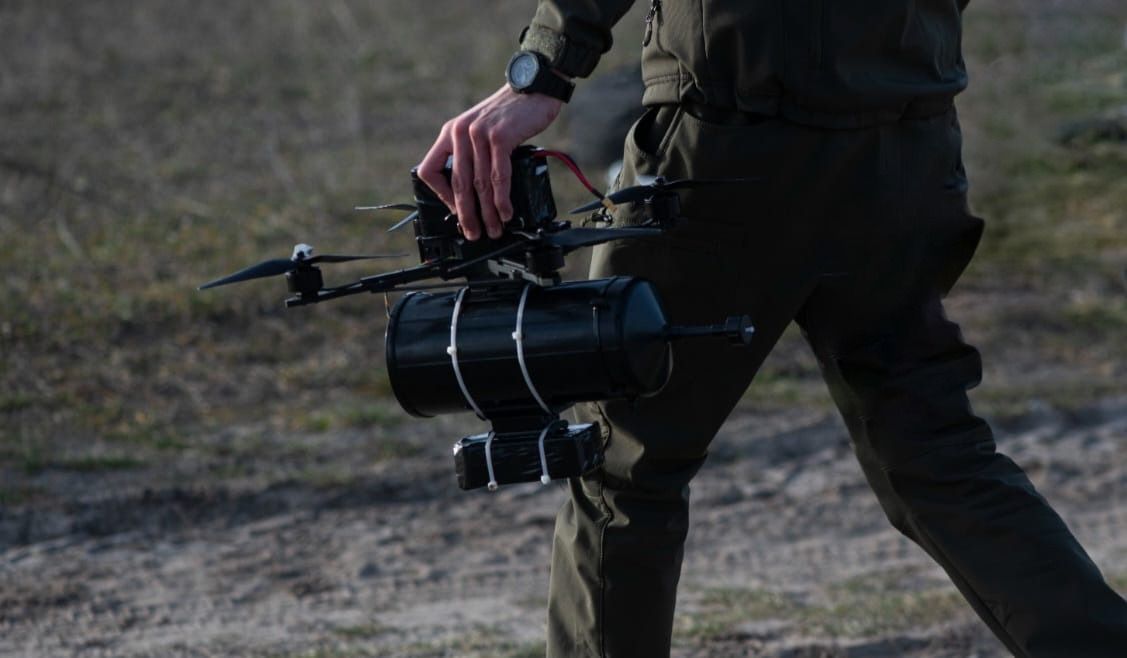
Fiber-optic FPV drones do not make a drone invulnerable. They remove one of the most important vulnerabilities of conventional FPV systems: a radio-frequency control and video link that can be jammed.
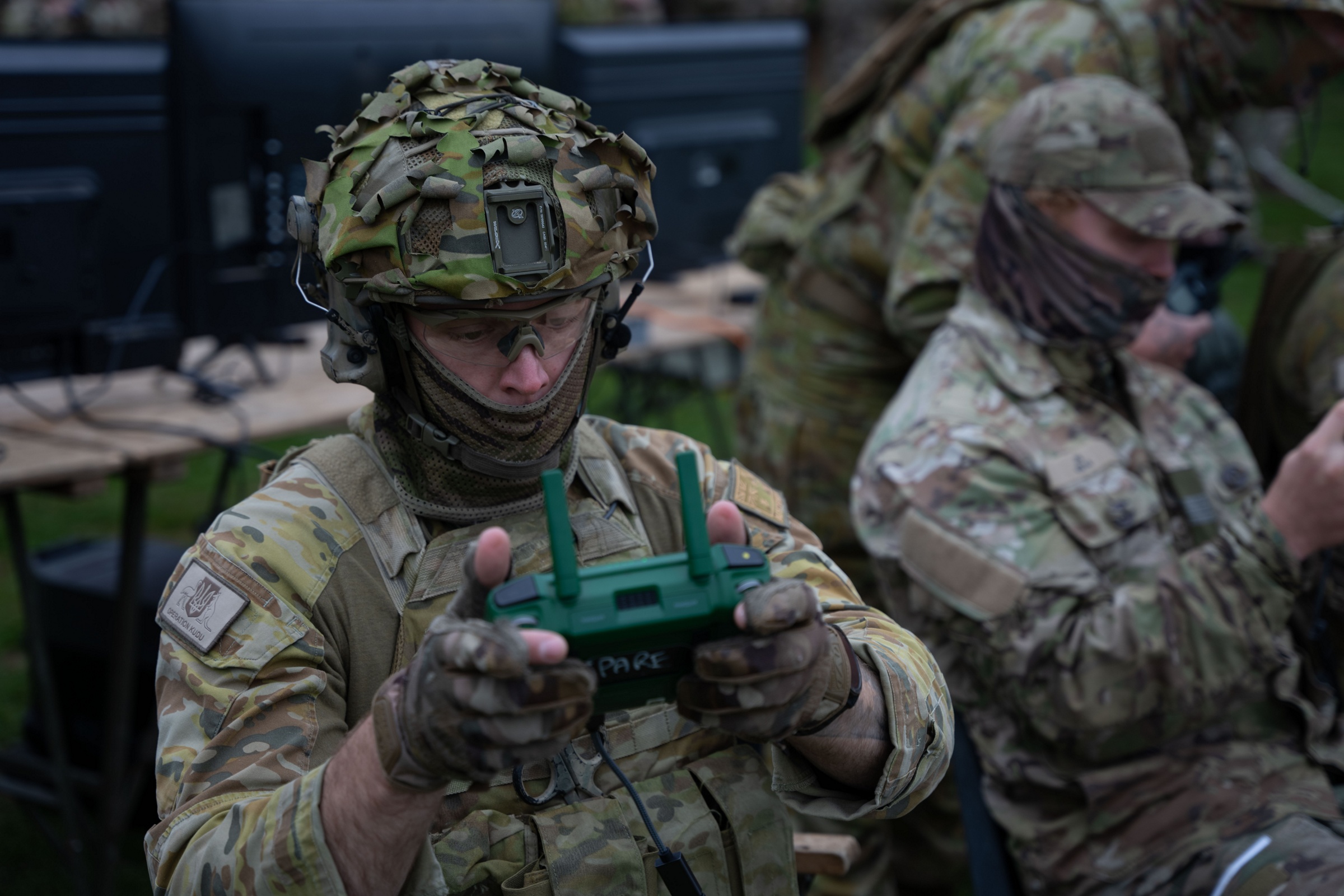
Ukraine did not simply add drones to an existing battlefield. It turned unmanned systems into a persistent layer of sensing, strike, logistics and adaptation — forcing militaries to rethink how they see, move, buy and fight.
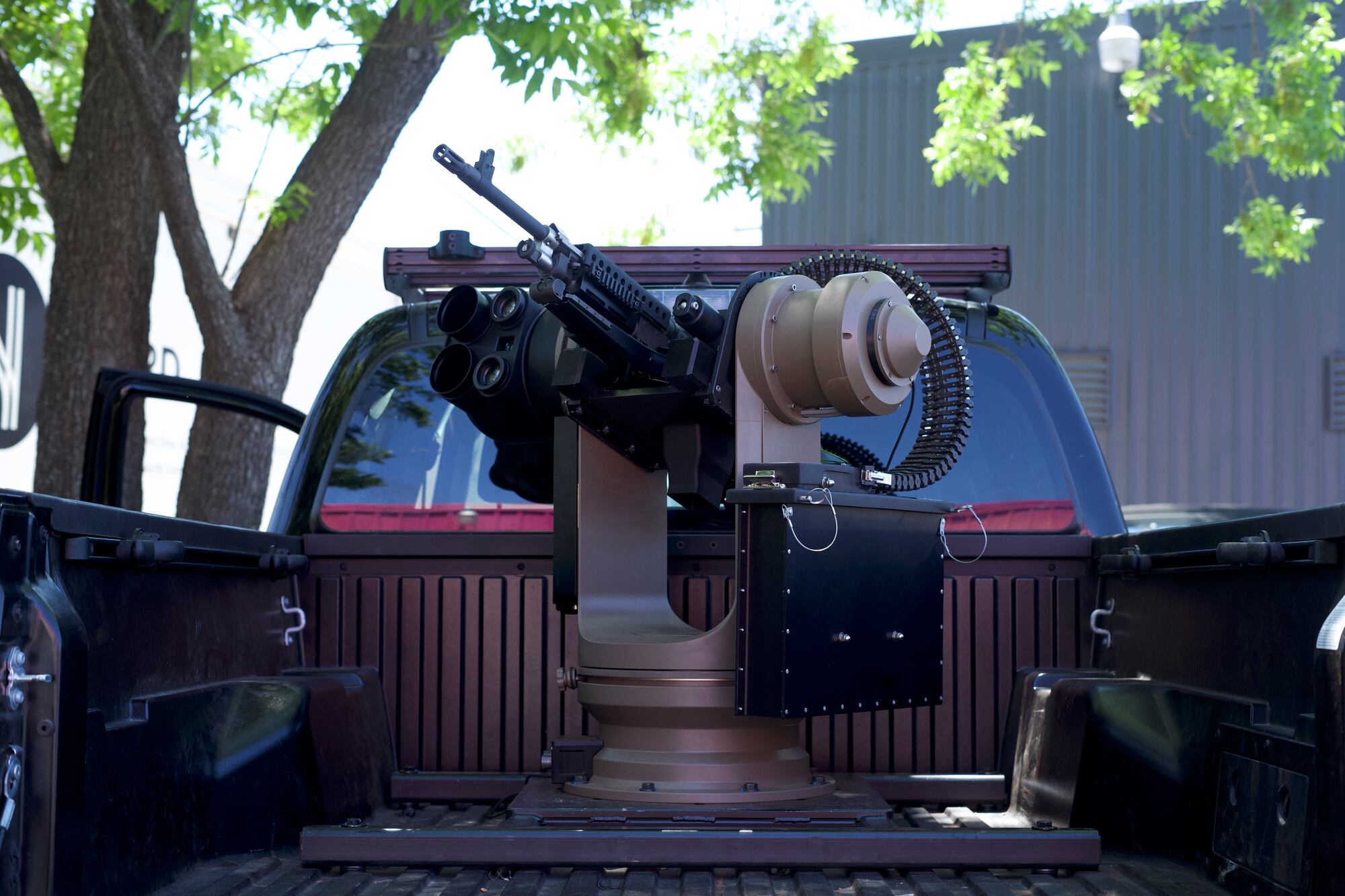
Allen Control Systems’ AI-enabled Bullfrog will be integrated into the Corps’ ground-based counter-drone air-defense program.
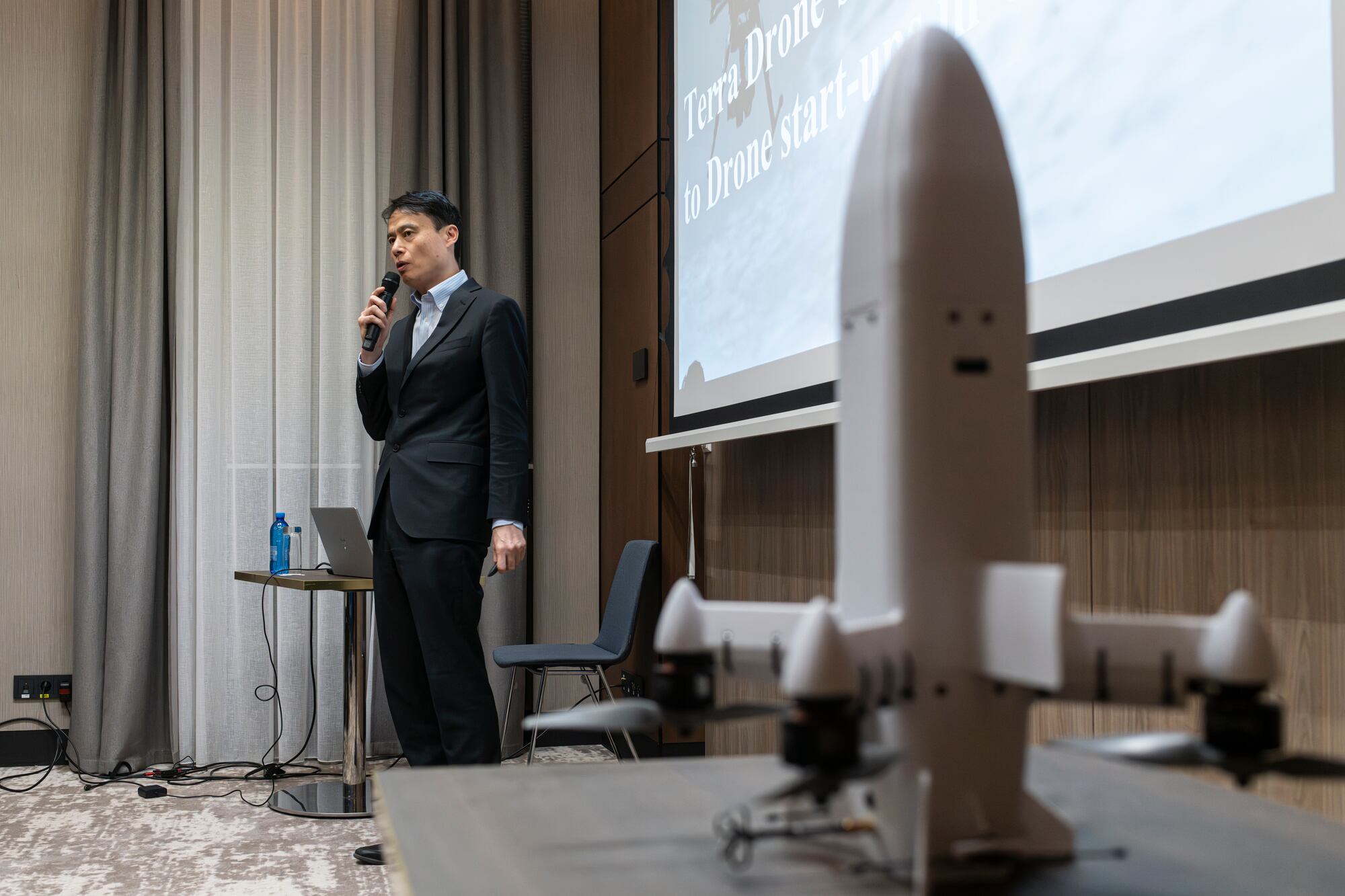
The Acquisition, Technology and Logistics Agency selected Terra Drone’s rocket-launched Terra B1 following a Maritime Self-Defense Force demonstration.
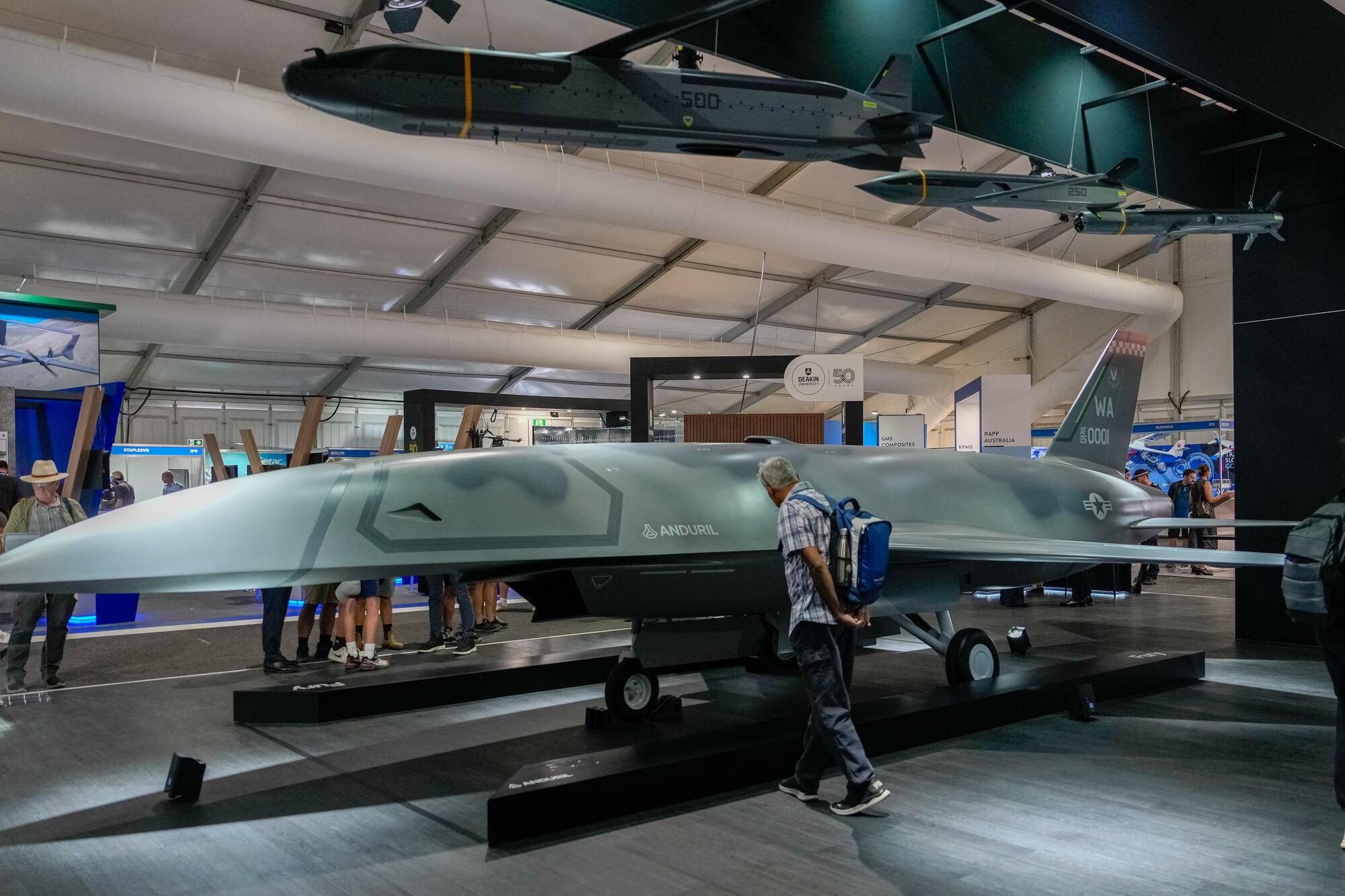
The U.S. defense technology company is in talks with Polish officials on potential Fury and Thunder aircraft offerings, while pursuing a separate missile-production partnership with PGZ.
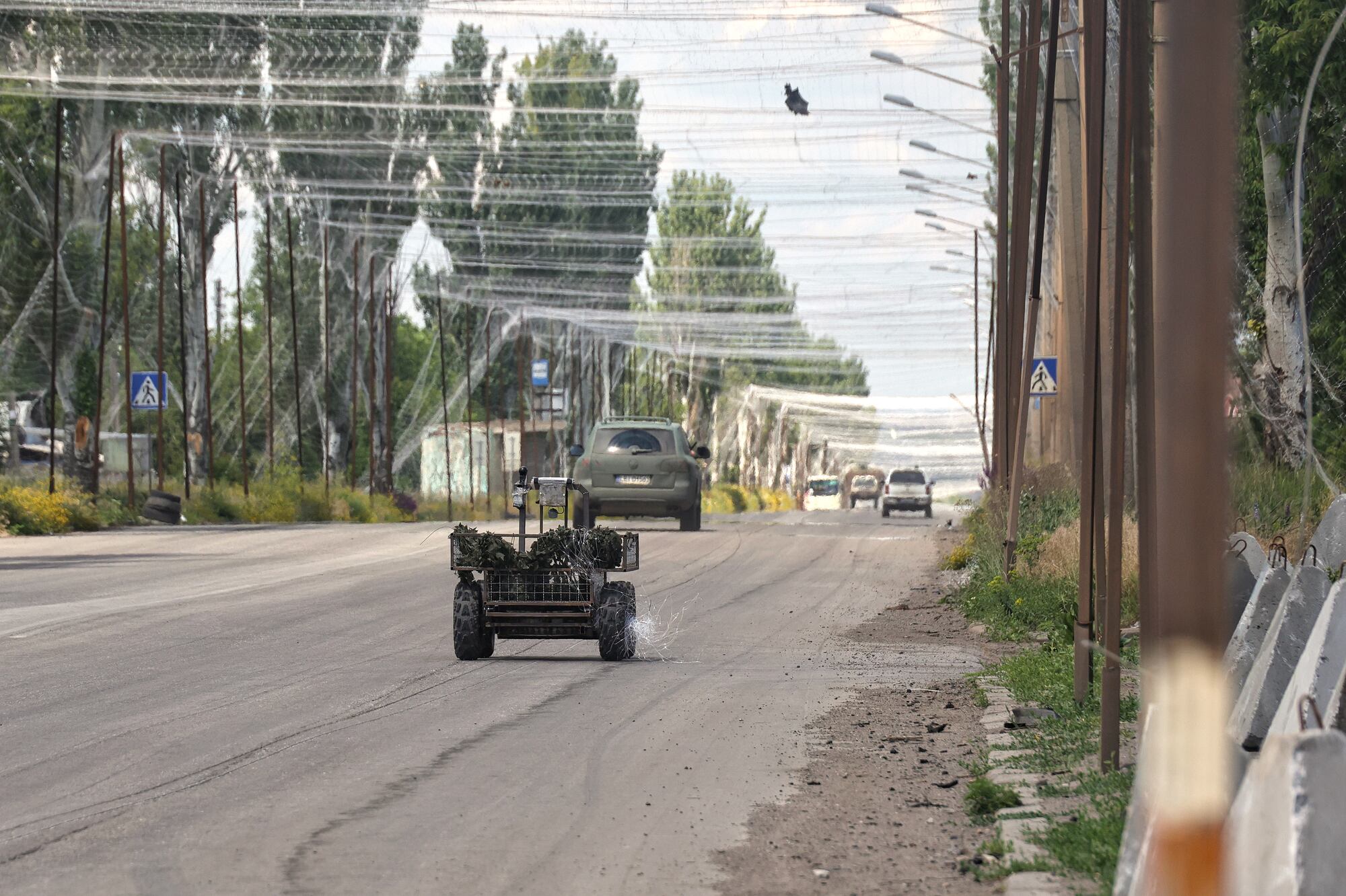
The Ukrainian manufacturer is also negotiating overseas joint production, including with an unnamed French company, as domestic military demand rises.
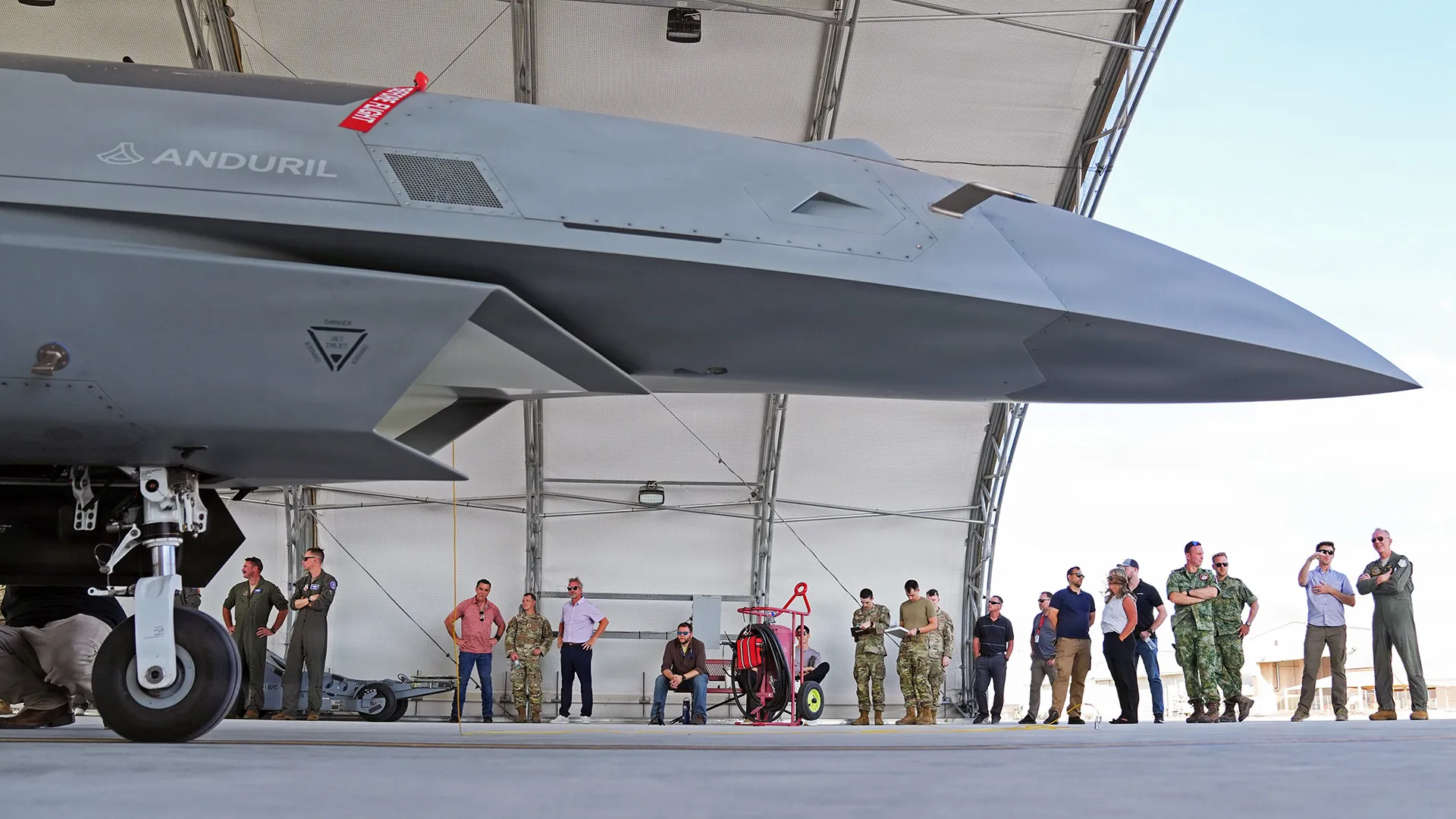
Secretary of the Air Force Troy Meink also confirmed the FQ-42 and FQ-44 unmanned combat aircraft will carry the names Vengeance and Fury.