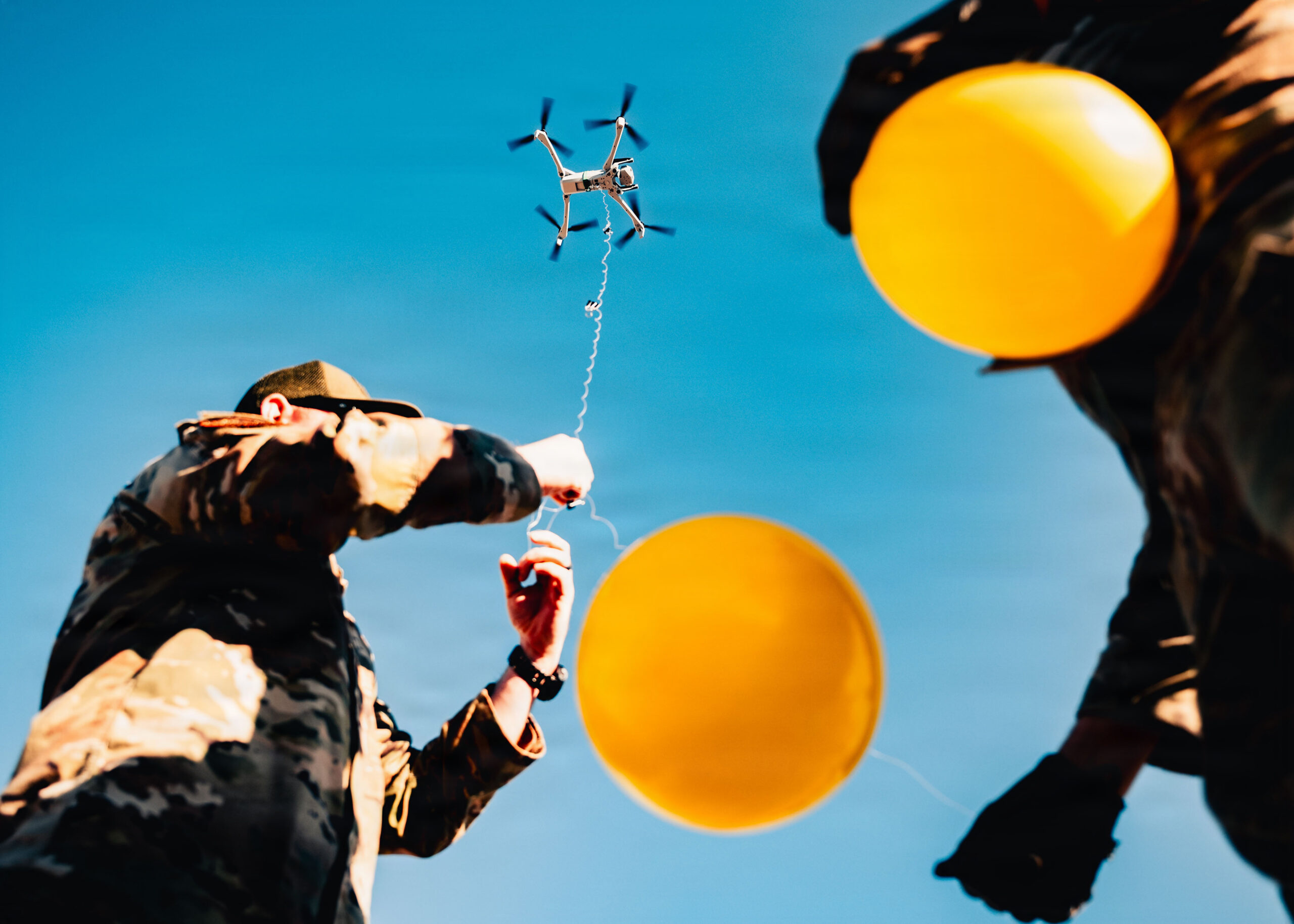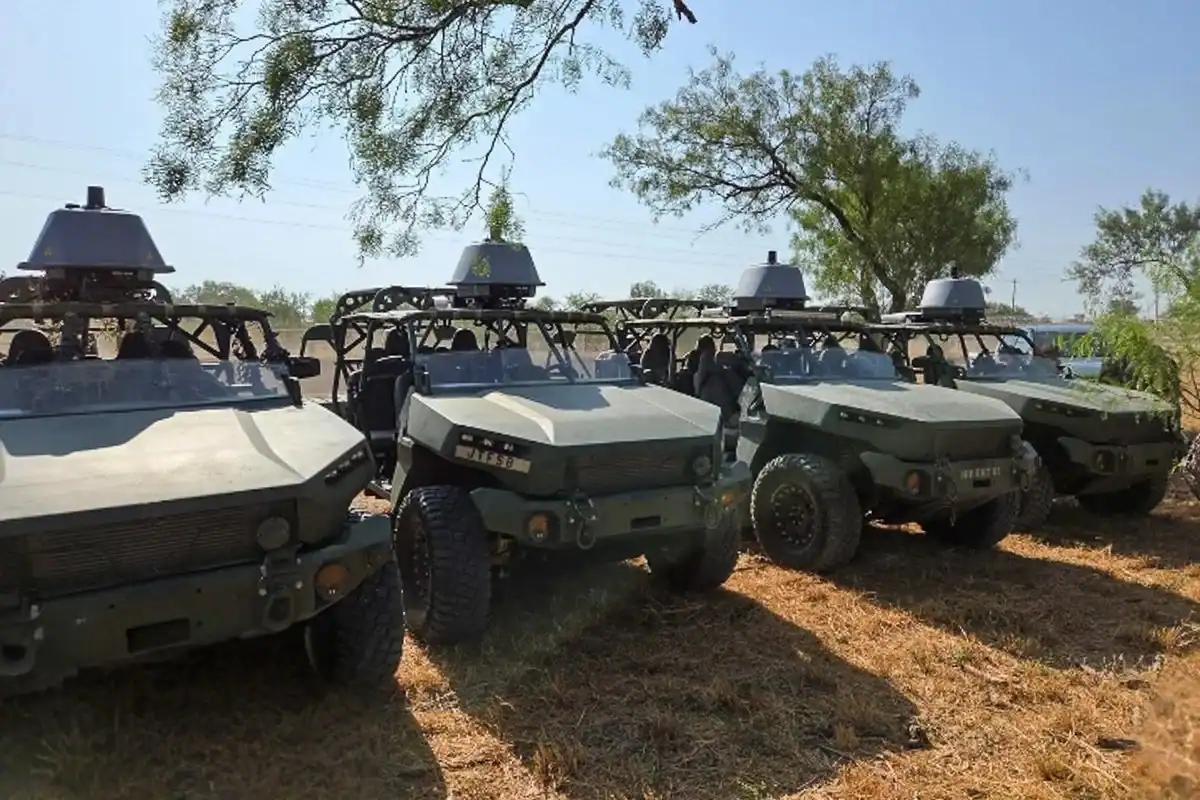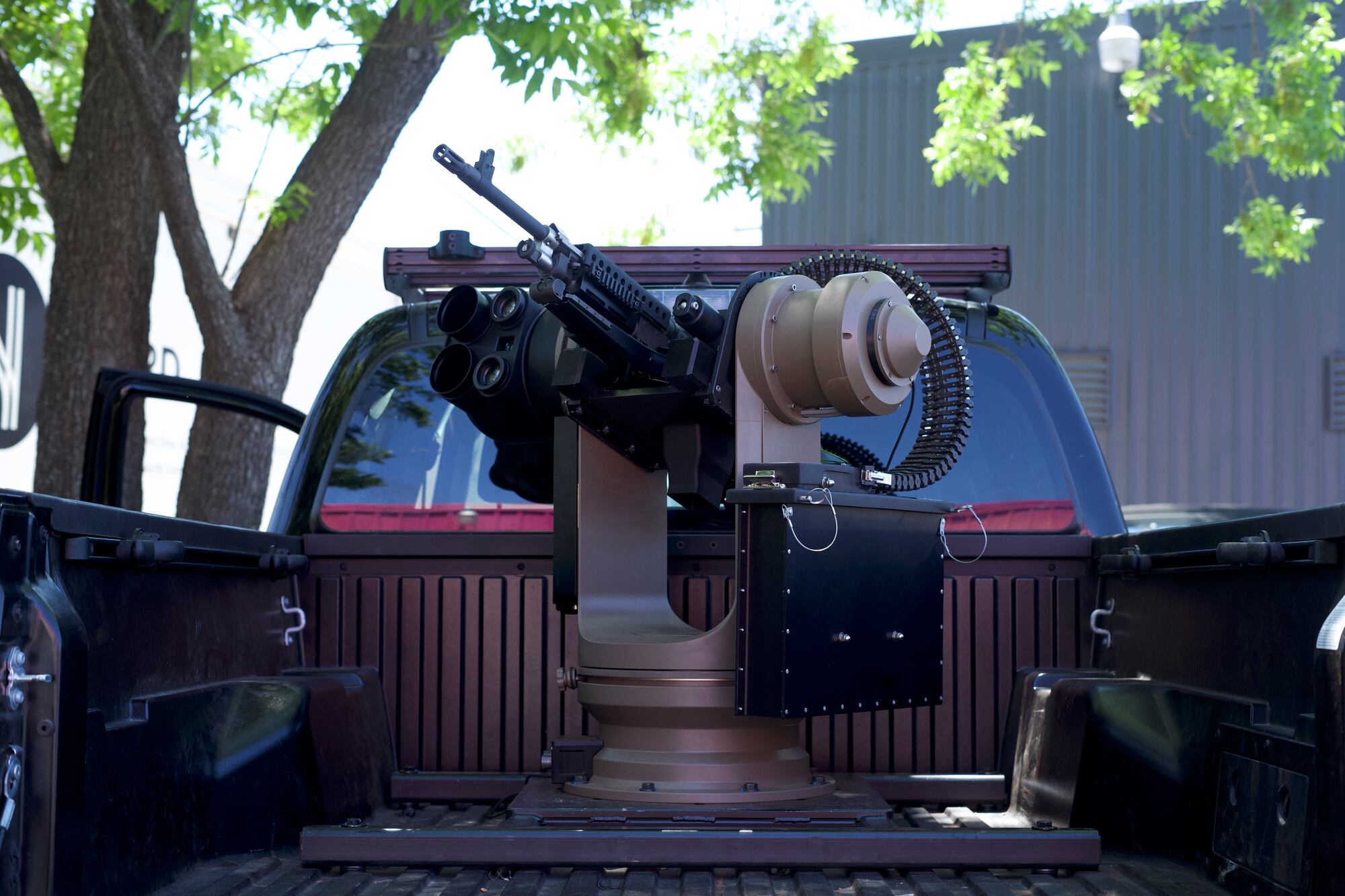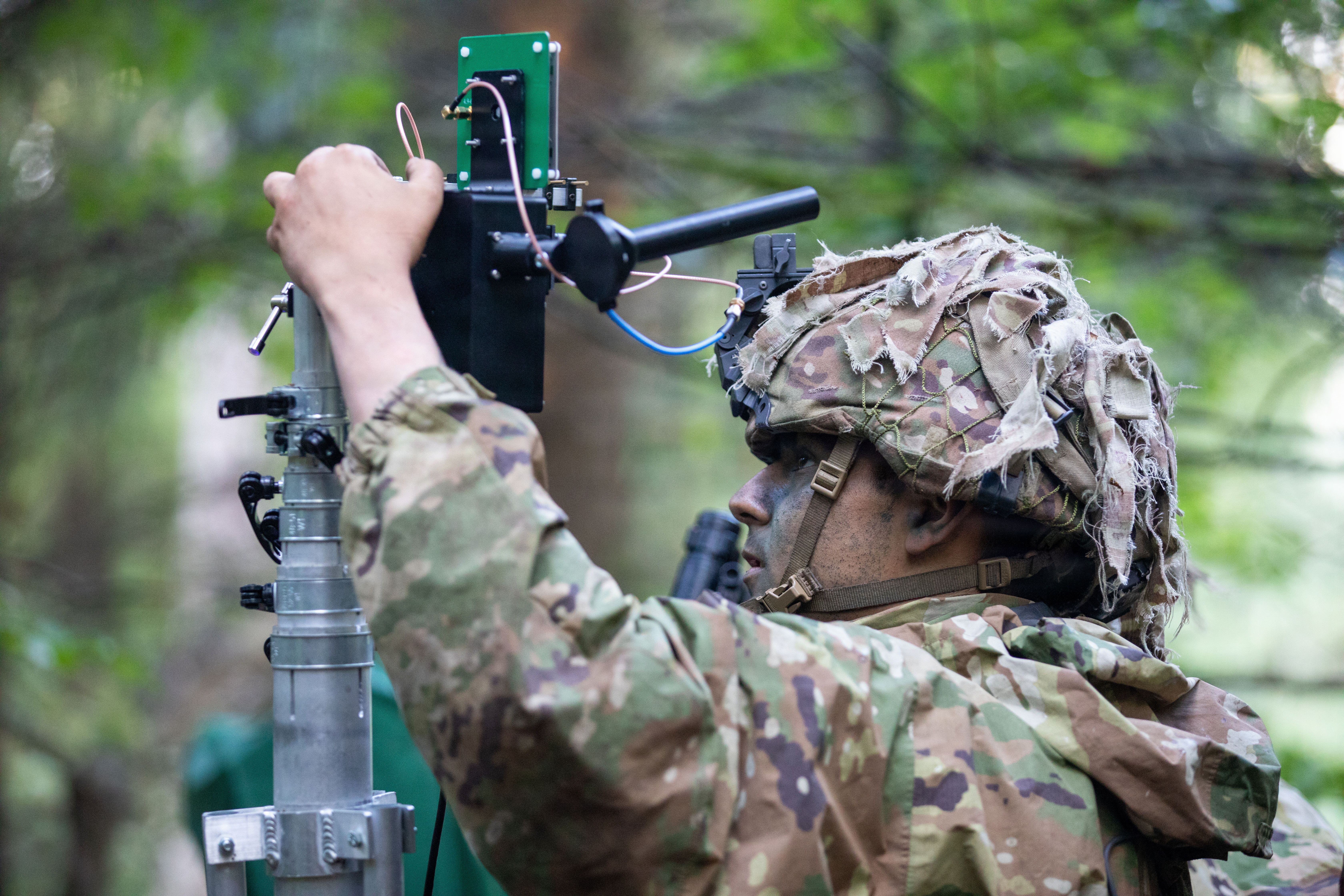
WASHINGTON — The US Army has begun awarding a set of indefinite-delivery, indefinite-quantity contracts worth up to $7 billion to expand access to counter-unmanned aircraft system capabilities, Army acquisition officials and Joint Interagency Task Force 401 said.
The IDIQ vehicle covers counter-drone sensors, effectors and command-and-control systems. It is intended to support the Pentagon’s drone and counter-drone marketplace, the Domestic Shield program for protection of US military installations and critical infrastructure, and other federal counter-UAS requirements, according to Brent Ingraham, the Army’s assistant secretary for acquisition, logistics and technology.
Ingraham said the awards are designed to preserve competition as drone threats and countermeasures change, rather than committing the government to a single supplier. He said the contracts establish a procurement foundation before new requirements emerge and give the Army options across multiple capability areas.
Nine companies selected
The Army did not specify the systems or services each recipient will provide. Awardees and their stated base values are:
| Company | Stated base award value |
|---|---|
| Allen Control Systems | $500 million |
| Digital Force Technologies | $500 million |
| DroneShield | $500 million |
| Echodyne Corp. | $250 million |
| Napatree Technology | $500 million |
| PVP Advanced EO Systems | $250 million |
| RADA Technologies, LLC | $500 million |
| SmartShooter Inc. | $150 million |
| L3Harris WESCAM | $500 million |
Brig. Gen. Matt Ross, commanding general of JIATF-401, said the Army is seeking a layered defense that can detect, track, identify, mitigate and capture drones. Rather than procuring one overarching system of systems, the service intends to use multiple interoperable systems for those functions, he said.
Ross said there is no single counter-UAS solution suitable for every user or requirement. The Army’s approach is therefore intended to avoid a broad down-selection to one capability and instead retain access to different systems as needs develop.
Marketplace and acquisition channels
Ingraham and Ross said the Army will use several acquisition paths for counter-drone purchases. These include commercial solutions openings, a Common Command and Control Enterprise License Agreement, existing service contracts, and the Pentagon’s drone and counter-drone marketplaces.
Through the marketplace, soldiers, other federal agencies and allied nations will be able to purchase counter-drone capabilities, Ingraham said. He said he expects the counter-drone marketplace to follow the model of the Army’s drone marketplace, which has recorded more than $800 million in sales to date.
Ross said the marketplace is also intended to help increase available supply as demand for drones exceeds current production availability. By connecting producers with customers across the United States and among partners and allies, the marketplace is meant to give suppliers clearer visibility of demand. Ross said a large IDIQ contract could help companies raise capital to expand inventory because they would have a reasonable expectation of continued government business.
Officials did not provide delivery schedules or identify the eventual recipients of systems acquired through the contracting vehicle.
NNSA agreement on counter-drone testing
Separately, the National Nuclear Security Administration and JIATF-401 signed a memorandum of understanding to improve information sharing on drone threats and counter-drone testing. Under the agreement, NNSA will share data from its counter-drone test events with the task force, while JIATF-401 will provide corresponding information to NNSA.
According to NNSA, the arrangement is intended to reduce duplicate testing, speed the evaluation and fielding of effective counter-UAS capabilities, and improve protection of critical national-security facilities. The agency said the collaboration should also allow participating organizations to make better use of taxpayer funding while accelerating assessment and deployment of advanced counter-drone technologies.