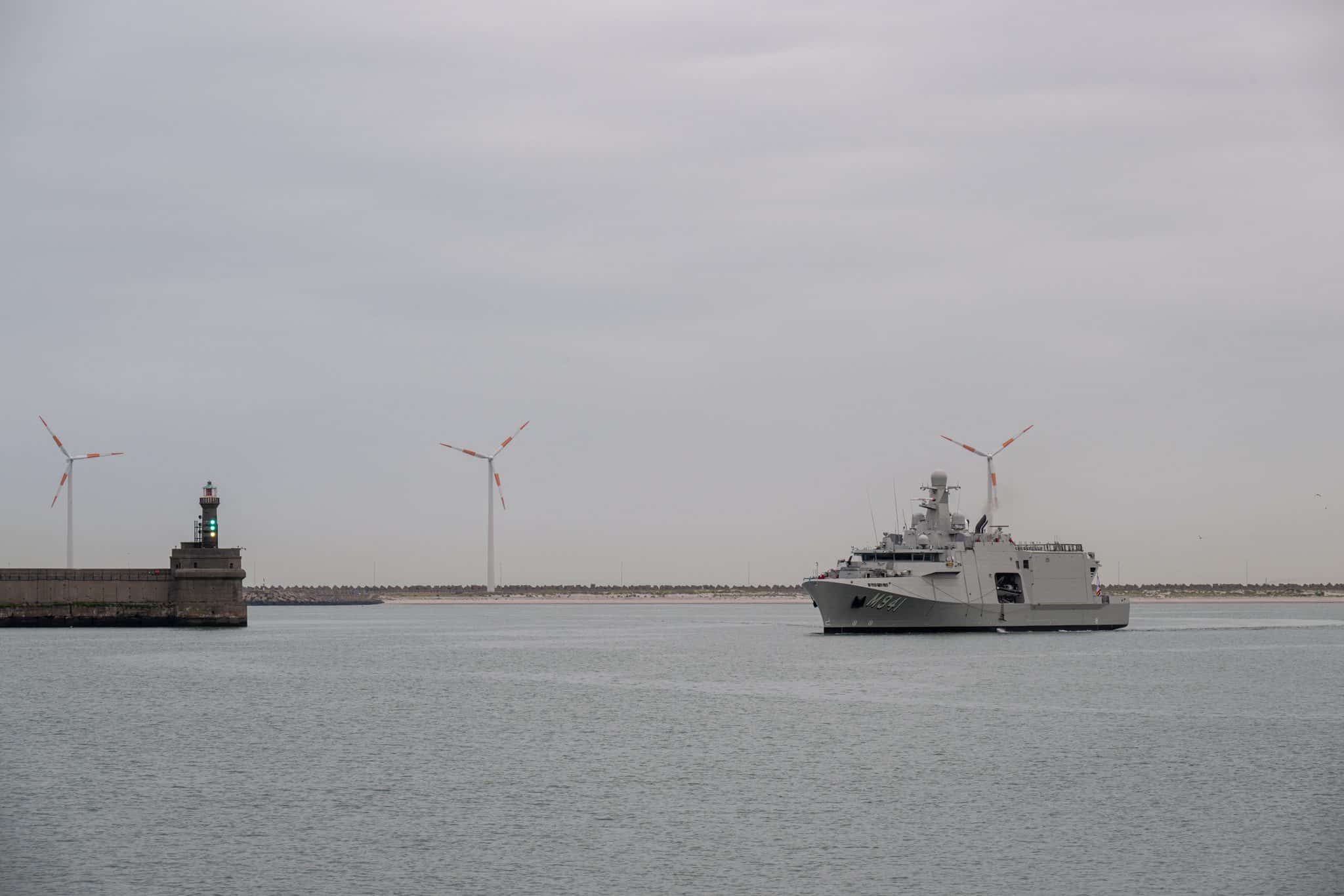
Belgium’s second mine-countermeasures vessel, BNS Tournai (M941), arrived in Zeebrugge on September 22 ahead of the scheduled transfer of ownership from Belgium Naval & Robotics to the Belgian state on September 25. The ship is the third vessel delivered under the Belgian-Dutch replacement program for twelve new mine-countermeasures vessels.
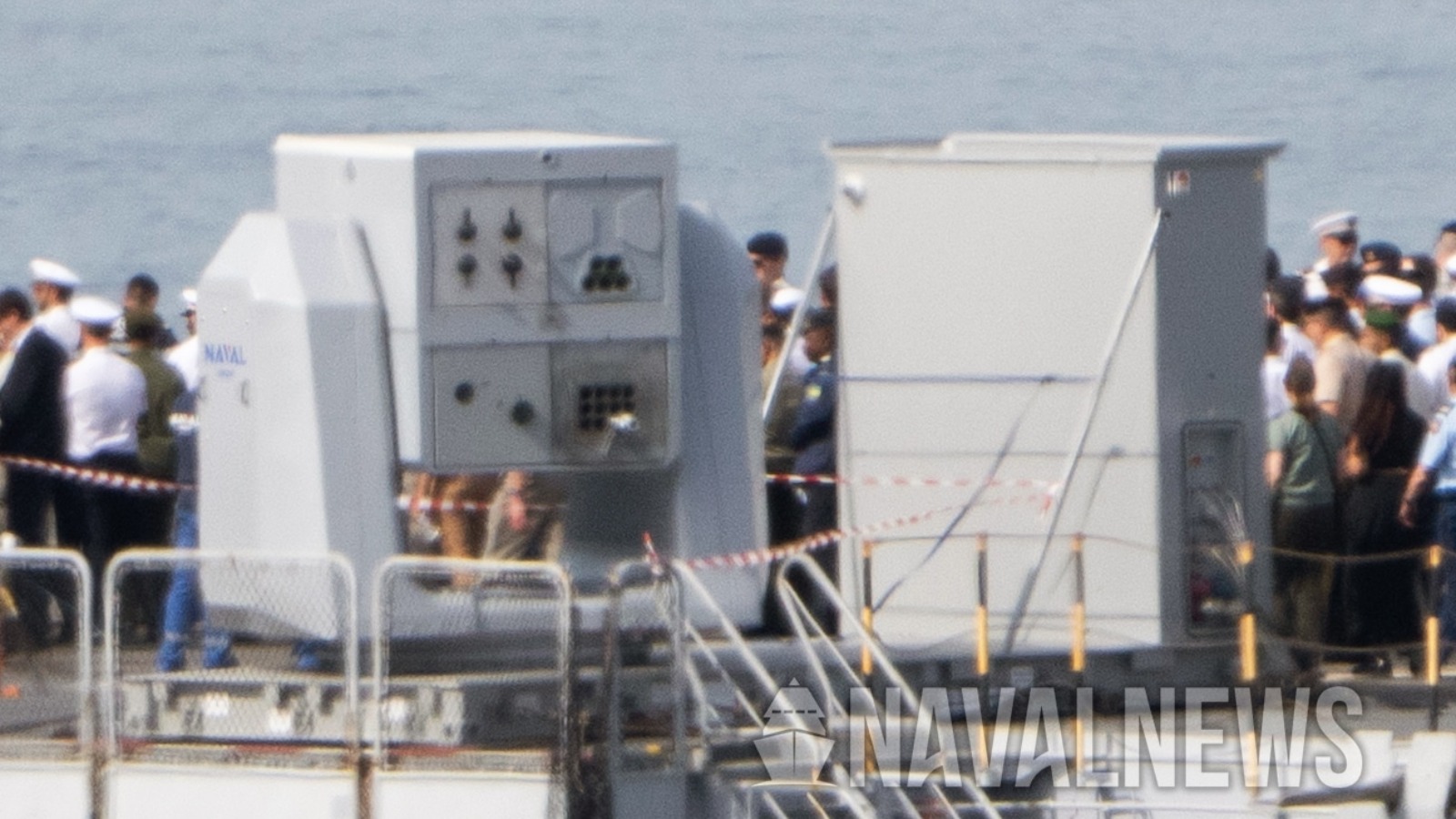
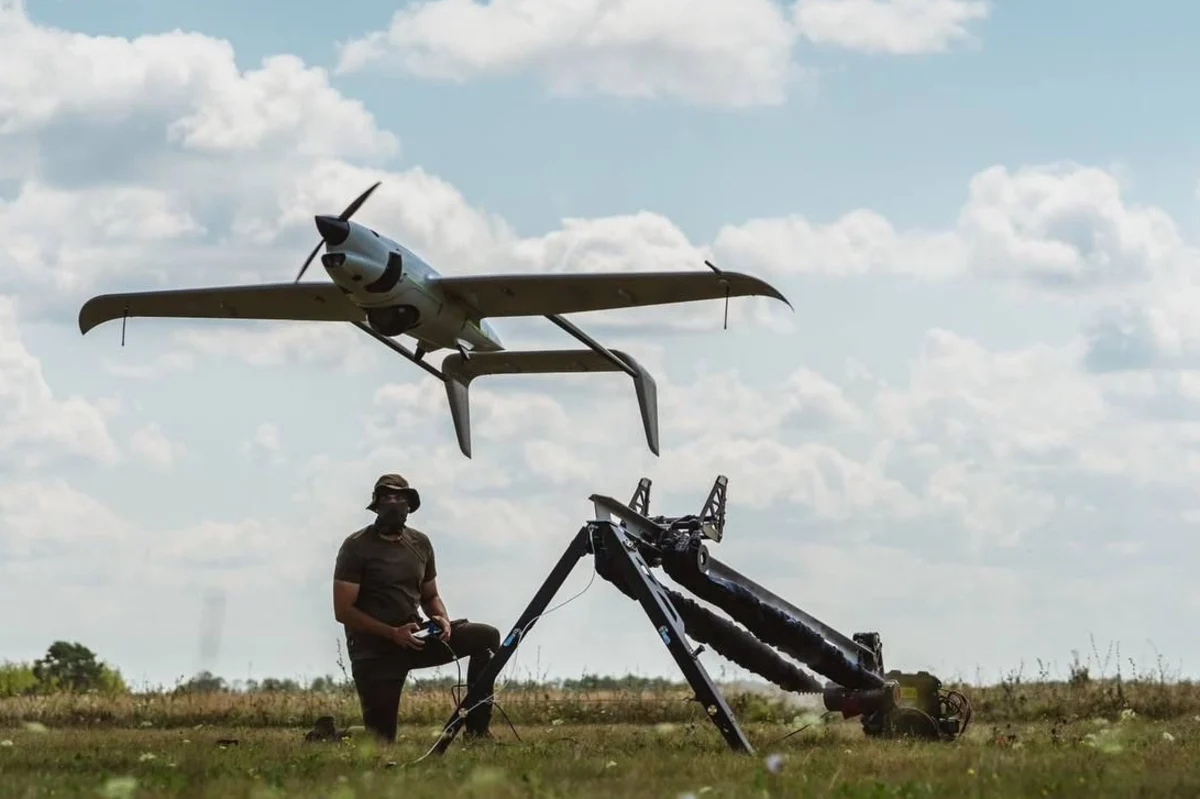
Tournai is designed around a stand-off mine-countermeasures concept. Rather than sending the ship directly into a mine-threat area, the system deploys unmanned aerial, surface and underwater vehicles to detect, identify and neutralize mines. The capability is intended to support the protection of maritime supply routes and infrastructure, according to the program’s description.
A new unmanned approach to mine warfare
The vessel forms part of Belgium and the Netherlands’ effort to replace their existing mine-countermeasures capabilities with a fleet of twelve new ships. Belgium’s first vessel in the program, M940 Oostende, was delivered in November 2025. Tournai is named after the Belgian city that serves as its sponsor city, linking the new ship to the Belgian naval fleet while the wider program is being introduced in stages.
The program presents mine warfare as an ongoing maritime requirement. According to the supplied program material, historical mines remain on the seabed of the North Sea, while current geopolitical tensions demonstrate that mines continue to pose a threat to ports, trade routes and critical infrastructure. The rMCM vessels are intended to address those challenges through the coordinated use of the ship and unmanned systems operating at a distance from the danger zone.
The stand-off arrangement changes the relationship between the crewed vessel and the minefield. Tournai serves as the platform from which the different unmanned systems are deployed, while those systems perform the mission sequence of detecting, identifying and neutralizing mines. The source describes the capability as an integrated combination of ships, autonomous systems and trained military personnel rather than as a ship operating independently of its unmanned elements.
Admiral Tanguy Botman, commander of the Belgian Navy, said Tournai represents more than the delivery of another ship. He described it as a step toward an integrated mine-countermeasures capability in which vessels, autonomous systems and specialized military personnel work together. He also said the Navy is investing in training and recruitment for the personnel who will operate and maintain the capability as it develops.
Botman also said Belgium had maintained an international reputation in mine action for several decades and that the arrival of Tournai demonstrated a continued Belgian interest in innovation and development in the field. His comments placed the handover within a broader effort to build the personnel base needed to implement and sustain the new system, not only to acquire the vessels and unmanned equipment.
The rMCM program is being delivered by the Belgium Naval & Robotics consortium, formed through cooperation between Naval Group and Exail. Tournai’s arrival in Zeebrugge follows several years of design, construction, system integration and testing. The vessel’s movement to Belgium marks the completion of the industrial work and acceptance activity described in the source before the final ownership step.
Construction and acceptance testing
Representatives of Belgium’s Directorate-General for Material Resources, or DGMR, have monitored construction since 2022. At the Concarneau shipyard in France, the on-site team followed the quality of the work, schedule compliance and fulfillment of contractual requirements. Its involvement gave Belgian representatives a continuing role during the vessel’s construction rather than limiting government checks to the delivery stage.
The ship went through a broad testing campaign during construction. Harbour Acceptance Tests were used to verify and validate its onboard systems in a port environment. Sea Acceptance Tests followed, assessing the vessel at sea under realistic operational conditions. Together, the two phases provided checks in both harbor and sea settings before the vessel proceeded to Zeebrugge.
Personnel involved with the on-site team described the opportunity to follow the vessel from the installation of its first systems through its initial sea voyages as an exceptional experience. Their work covered the ship’s progress from construction through testing before its movement to Belgium. The source identifies this sequence as part of the several-year process that culminated in the Zeebrugge arrival.
The testing and inspection work also established the basis for the Belgian authorities’ decision on whether the ship had met its contractual requirements. That decision remains distinct from the physical arrival: Tournai reached Zeebrugge on September 22, but ownership was still scheduled to remain with Belgium Naval & Robotics until September 25.
Transfer precedes operational preparations
Despite its arrival in Zeebrugge, Tournai remains the property of Belgium Naval & Robotics until the planned September 25 ownership transfer. The interim period is being used for final work and resupply. The scheduled handover is therefore the next formal milestone after the ship’s arrival, subject to completion of the required checks and conditions.
Lieutenant Commander Pierre Van Engeland, the Belgian project officer for the rMCM program, said the DGMR uses the checks performed and their results to verify that the ship satisfies all contractual requirements. The next stage can proceed only after those conditions have been met, he said. His remarks describe the DGMR’s role as one of verification against the agreed requirements before ownership changes hands.
Following the transfer, Tournai will continue to be equipped while its crew carries on with training. Preparations for operational commissioning will then proceed, allowing the ship to gradually join the renewed Belgian-Dutch mine-countermeasures capability. Its arrival therefore marks a delivery milestone, while crew training, further preparation and the integration of the unmanned mine-detection and neutralization systems remain part of the path toward service.