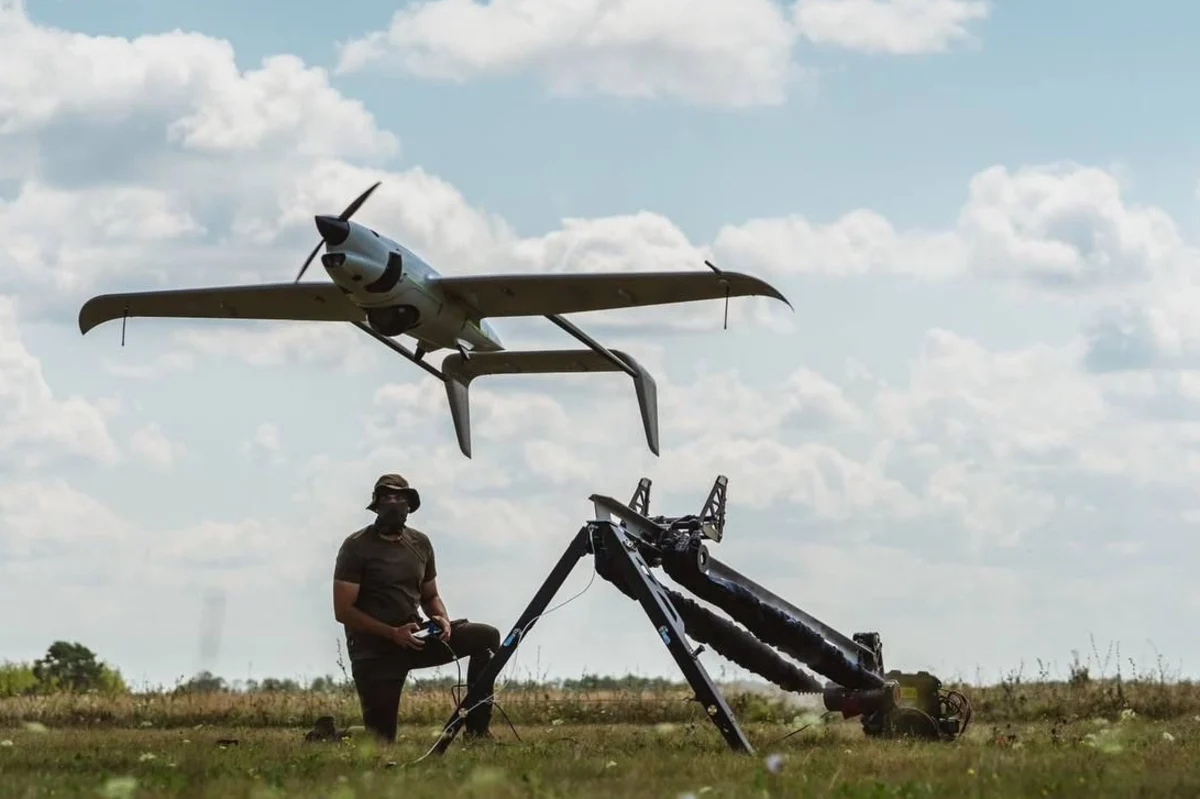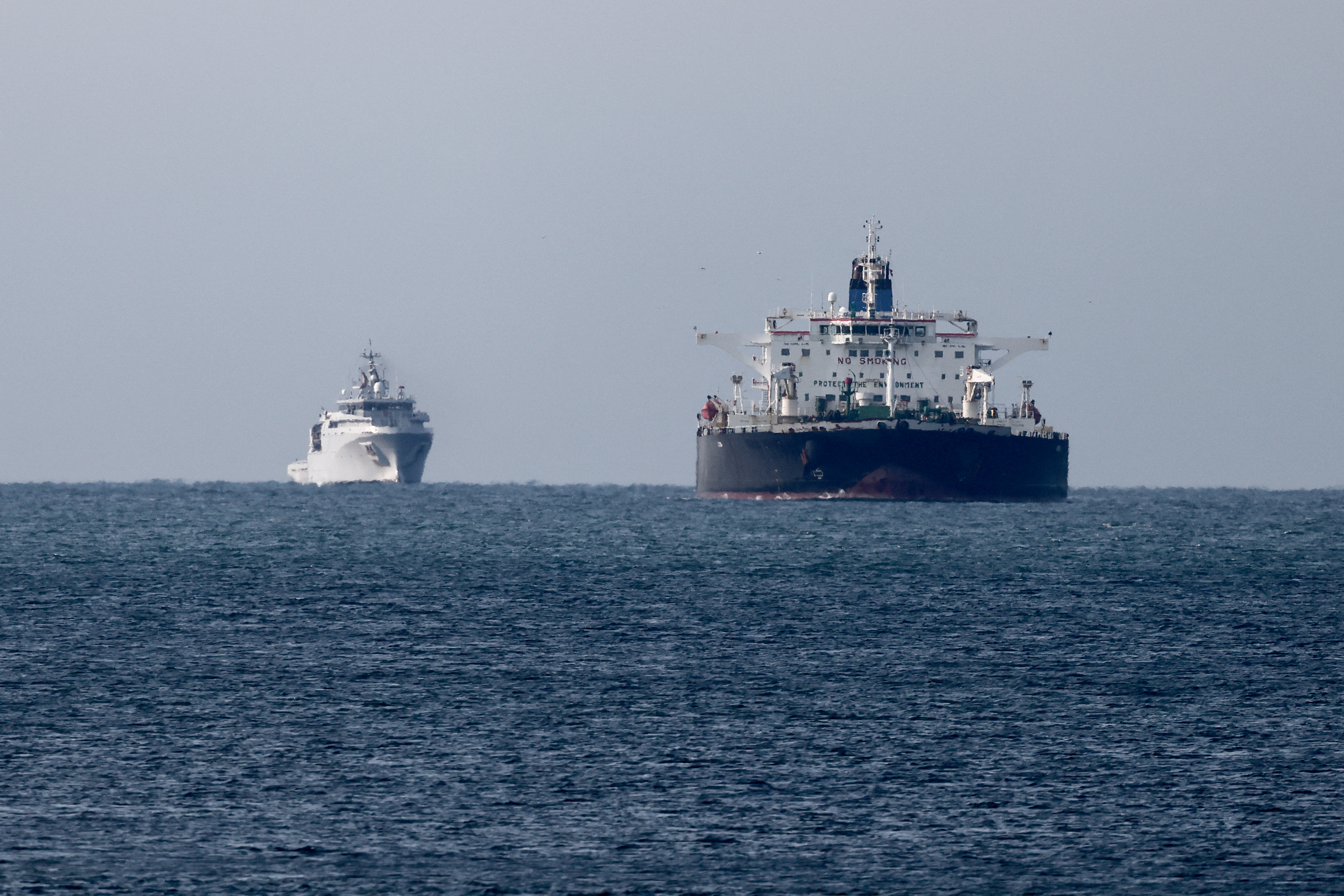
The CIA reportedly warned European countries about a suspected Russian plan to launch Gerbera-type unmanned aircraft from commercial vessels in the Mediterranean, according to a report published by Spanish newspaper El Mundo. The report, which cited an anonymous Lithuanian intelligence source, has not been independently corroborated.
El Mundo reported that Spain, France and Italy had been assessed as possible targets. Under the alleged plan, drones would be launched from vessels operating in international Mediterranean waters and would fly toward coastal targets, with journeys said to last about one or two hours.
Reported container-based launch concept
According to the newspaper’s account, the aircraft would be transported in concealed shipping containers before being catapult-launched for missions against Western Mediterranean NATO members. El Mundo described container transport as relatively straightforward, but provided no independently verifiable evidence that such a deployment had been prepared or authorized.
The reported choice of the Gerbera platform was linked to its compact dimensions. El Mundo said the drone has a 2.5-meter wingspan, potentially enabling it to be hidden more easily than larger systems. It reported a maximum range of up to 600 kilometers, dependent on payload and environmental conditions, and said the platform could carry a comparatively small warhead. Such a payload could be used to start fires, damage exposed infrastructure components or create political and economic disruption, according to the report.
Intelligence reporting and European concern
Lithuania and other European countries were reportedly informed of the suspected threat shortly after the CIA director made an unannounced visit to Moscow aboard a U.S. military aircraft on Aug. 25. El Mundo further reported that a key CIA assessment was rumored to have circulated among European leaders in mid-September.
The newspaper linked the reported circulation of the assessment with French President Emmanuel Macron’s decision to convene the Defense Council on Sept. 16, followed two days later by a meeting at the Élysée Palace with party leaders and candidates for the 2027 presidential election. The report did not establish whether those meetings were directly connected to the alleged drone-launch plan.
The unverified report emerged amid wider concern in European capitals over what Defense News described as increased sabotage and hybrid-warfare activity generally attributed to Moscow. The article noted repeated Russian drone airspace violations along NATO’s eastern flank, including incidents in which alliance fighter aircraft shot down intruding unmanned systems.
Defense News also cited a previous major incident in which 19 unarmed Russian drones entered Polish airspace. The outlet said the event, described as the largest such violation to date, was widely assessed as a deliberate provocation intended to test NATO’s response.
Maritime drone concerns and counter-drone preparations
The prospect of unmanned aircraft operating from Russian-linked merchant shipping has long been discussed in European policy circles, Defense News reported. It noted that sightings of unidentified drones near coastlines have at times coincided with the presence of vessels associated with Russia’s so-called shadow fleet. In February, according to the report, a Swedish Navy vessel detected and jammed a drone taking off from a Russian intelligence ship in the Öresund Strait during a visit by the French aircraft carrier Charles de Gaulle to Sweden.
The article also referenced incidents in early August involving an explosive-laden drone found near a Ukrainian cargo aircraft and a separate collision between an aircraft and a drone at Germany’s Leipzig airport. Defense News reported that, following a month-long investigation, German authorities officially attributed the attack to Russia.
On Sept. 19, El Mundo reported, the pro-Russian Telegram channel Rybar published a map proposing that Algeria be supplied with Geran-5 drones for strikes on French aeronautical factories, military bases, nuclear plants and petrochemical sites.
European counter-drone preparations are also expanding beyond NATO states. Austrian public media reported Thursday that the Austrian military had begun a large exercise focused on counter-drone and air-defense operations. The drill involves 300 soldiers across several townships in eastern Austria and includes Mistral surface-to-air missiles, 35 mm cannons and electronic-warfare measures.