Naval Group’s Rampart multi-ammunition launcher has been photographed installed aboard a French Navy Mistral-class landing helicopter dock (LHD) sailing from Toulon naval base, pointing to preparations for the system’s first firing campaign at sea.
Images taken by Toulon-based photographer Hervé Dermoune, a contributor to Naval News, show the launcher fitted on one of the French Navy’s three Mistral-class ships. Naval News reported that the installation is likely connected with a maiden at-sea firing campaign planned for October during Wildfire, the French Navy’s counter-drone exercise series.
Four-module launcher
Rampart was previously known as the Multi-purpose and Modular Launching System, or MPLS. Naval Group is developing it as a flexible, multi-ammunition close-in weapon system for the French Navy and export customers. The concept is described as RAM-like, referring to a close-in naval defence arrangement, but is designed to accept different weapon and decoy loads rather than a single ammunition type.
The turret has four launch modules. According to the reported configuration, each module can be loaded with guided rockets, decoys or very-short-range, man-portable air-defence-style missiles, allowing the ammunition mix to be adapted to a particular threat or mission.
- A module can hold 20 Thales 68 mm laser-guided rockets, allowing a four-module launcher to carry up to 80 rounds. The 68 mm calibre is a French military standard.
- For 70 mm rockets, described as the NATO standard, each module can carry 12 rockets, for a possible total of 48 rounds across the launcher.
- Depending on missile type, a module can accommodate four to six very-short-range missiles.
Wildfire firing plans
Naval News had previously reported during the Eurosatory defence exhibition that Rampart’s initial at-sea firing campaign would take place aboard a Mistral-class LHD during the October Wildfire exercise. The outlet said it understands the trial is likely to include Thales France guided rockets.
The firing activity could also involve Poland’s Piorun missile, following an agreement concluded during Eurosatory, according to the report. After the French campaign, the launcher is expected to go to Belgium for an initial firing of Thales Belgium 70 mm rockets. The precise ammunition mix for the forthcoming French trial was not confirmed.
Counter-drone exercise role
Wildfire is a French Navy tactical training programme focused on counter-unmanned-aircraft operations and multi-domain asymmetric defence. It trains naval crews to detect, identify and defeat complex threats, including high-intensity attacks, swarms of aerial drones, uncrewed surface craft and underwater threats.
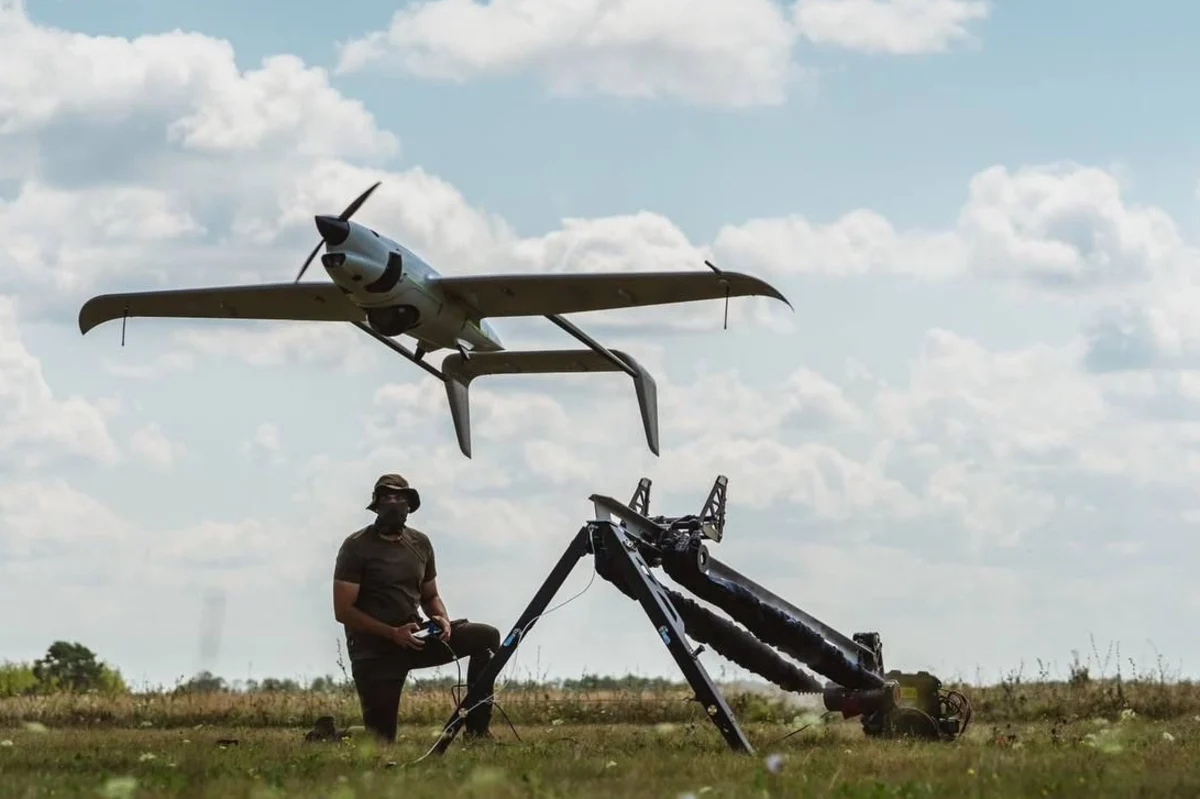
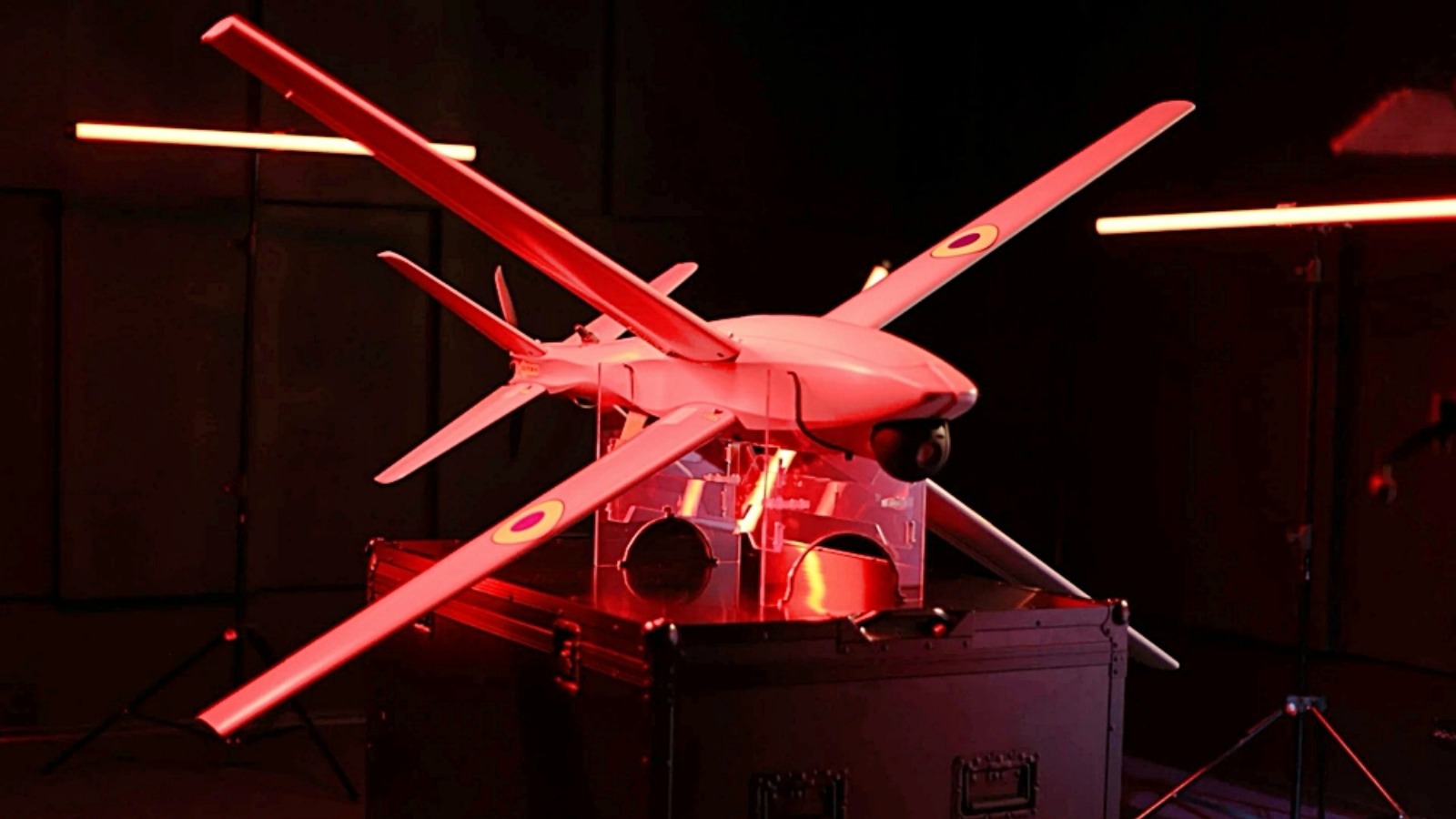
The exercise is conducted principally off Toulon, with Atlantic phases from Brest, and uses the French Armaments Directorate General’s missile and test range at Île du Levant. Its scenarios employ numerous remotely controlled targets, including Banshee and Snipe aerial targets as well as surface-drone targets.
Beyond crew training, Wildfire is used to assess emerging defensive systems in operationally representative conditions under the French Navy’s Perseus approach. The activity can include radars, jammers, acoustic sensors and close-in weapon systems such as Rampart. Recent editions have brought together frigates, amphibious helicopter carriers and naval helicopters, alongside French Army and Air and Space Force participation. The programme has also included NATO allies and other foreign partners, including the Royal Navy, for interoperability activity.