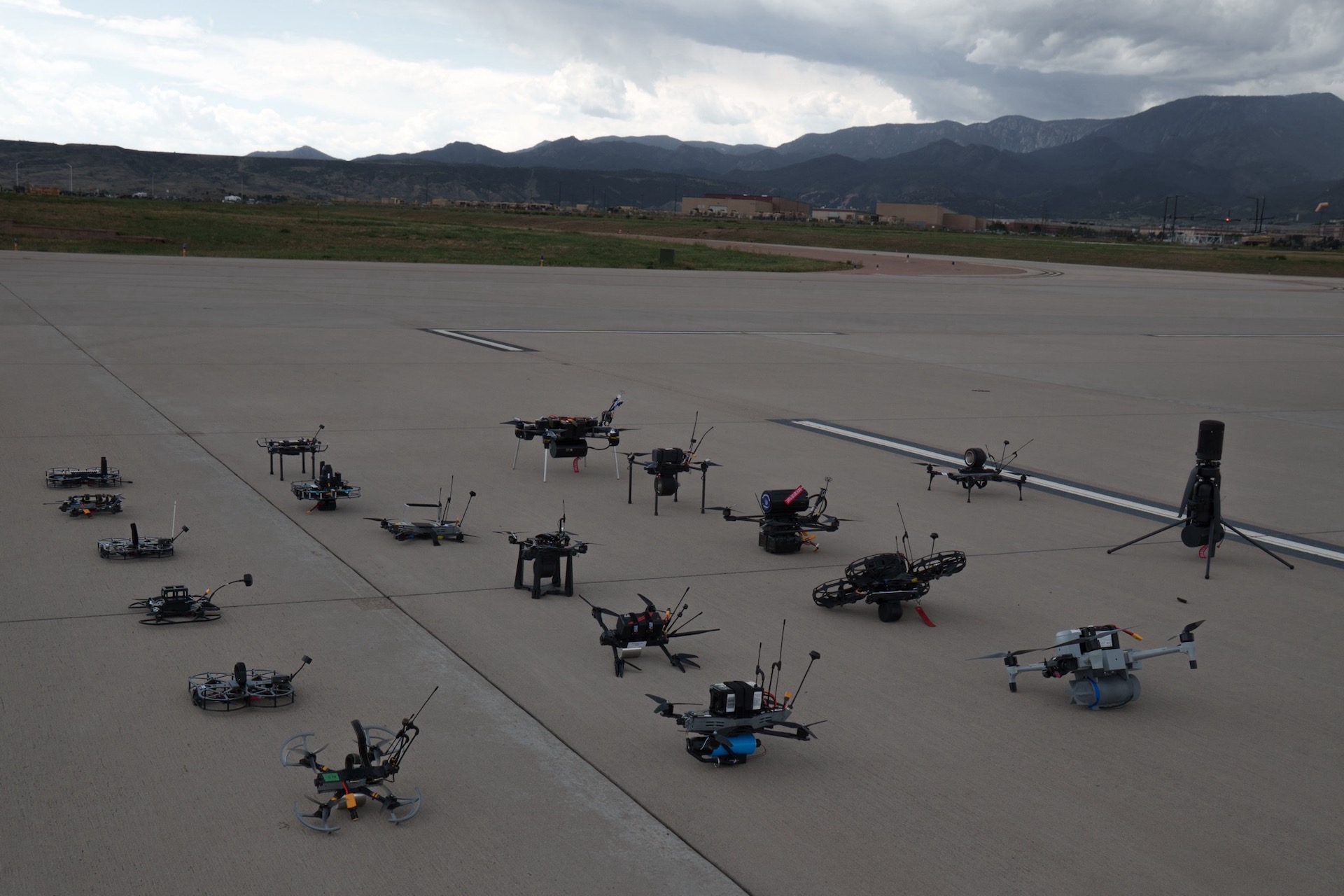
The U.S. Army is opening five military test ranges to private companies, creating a new route for industry to evaluate drones, counter-drone systems, long-range fires and low-cost interceptors in operationally relevant environments. The service said companies may request access even without an existing government partnership, using a new online portal at testrange.army.mil.
The initiative includes four U.S. locations—Dugway Proving Ground in Utah, West Cibola Range in Arizona, Camp Shelby Joint Forces Training Center in Mississippi and Camp Grayling in Michigan—as well as the Africa Multidomain Training and Experimentation Center in Morocco. The Army said the effort is intended to accelerate development and testing of capabilities it sees as increasingly important to modern combat.
“A company with a good idea shouldn’t need a team of lawyers and a program of record just to prove their equipment works,” Army Secretary Dan Driscoll said in the Army release. “So we fixed that. One front door — testrange.army.mil — a real person to walk you in, and on the other side, everything the modern battlefield demands: contested airspace, degraded signals and the space to test at real scale.”
Army Secretary Dan Driscoll
Range access and specialized testing
Companies can submit requests through the portal, which provides range parameters and identifies capabilities that can be tested at individual sites. The Army cautioned that a request does not guarantee access to a particular location or a specified timeline, suggesting that assignment will depend on availability and the nature of the requested work.
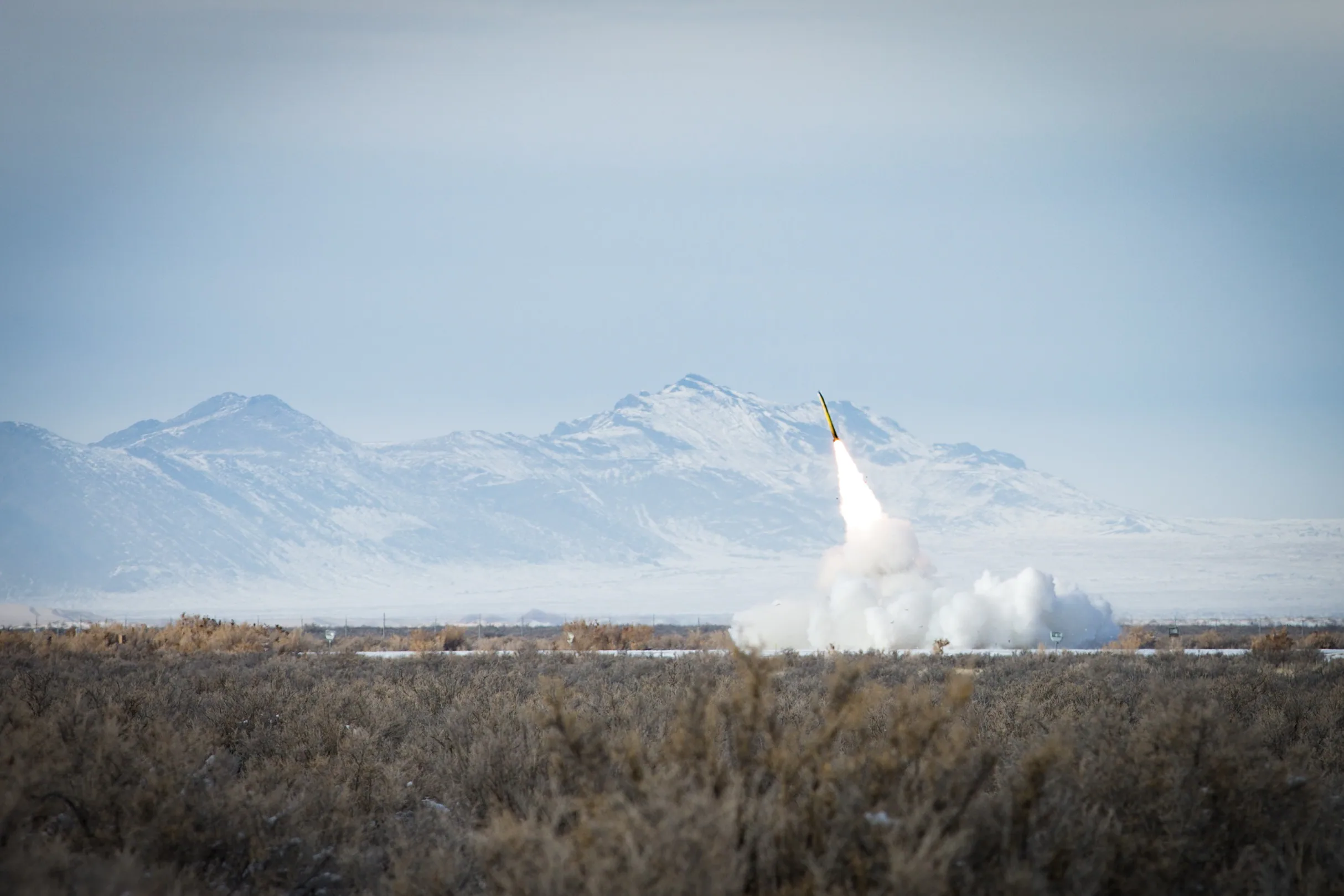
The ranges do not offer identical capabilities. Dugway Proving Ground is available for long-range fires testing, while West Cibola Range is currently limited to drone and counter-drone assessments. Camp Grayling is set to host a distinct “electromagnetic unreliability test event” for private-sector participants beginning in September. The Army said it expects the event to recur quarterly.
That Camp Grayling event will simulate electronic-warfare conditions observed in Ukraine during its ongoing war with Russia. The planned environment is intended to give companies an opportunity to test equipment under degraded or unreliable electromagnetic conditions, a challenge directly relevant to systems that depend on communications, navigation or other signals.
Part of a wider push for faster capability development
The range-access effort arrives as the Pentagon pursues broader changes meant to speed drone and counter-drone acquisition. The Defense Department established Joint Interagency Task Force 401 to streamline counter-drone efforts, and the task force recently launched an online marketplace.
The Army’s announcement also comes amid pressure on the defense industrial base to increase production of critical weapons. Reports said the United States had used roughly two-thirds of the Patriot interceptor inventory it held before the war with Iran, although Defense Secretary Pete Hegseth disputed a CNN report that commanders had warned interceptor stockpiles were critically depleted. The Pentagon has nevertheless pressed industry to expedite production of key systems.
The test-range program is led by U.S. Army Test and Evaluation Command in collaboration with the Mississippi and Michigan National Guard and U.S. Africa Command, according to the Army release. By offering a single entry point for companies that may not already be working through a formal program, the Army is positioning the ranges as a mechanism for moving promising equipment into testing sooner and under more demanding conditions.