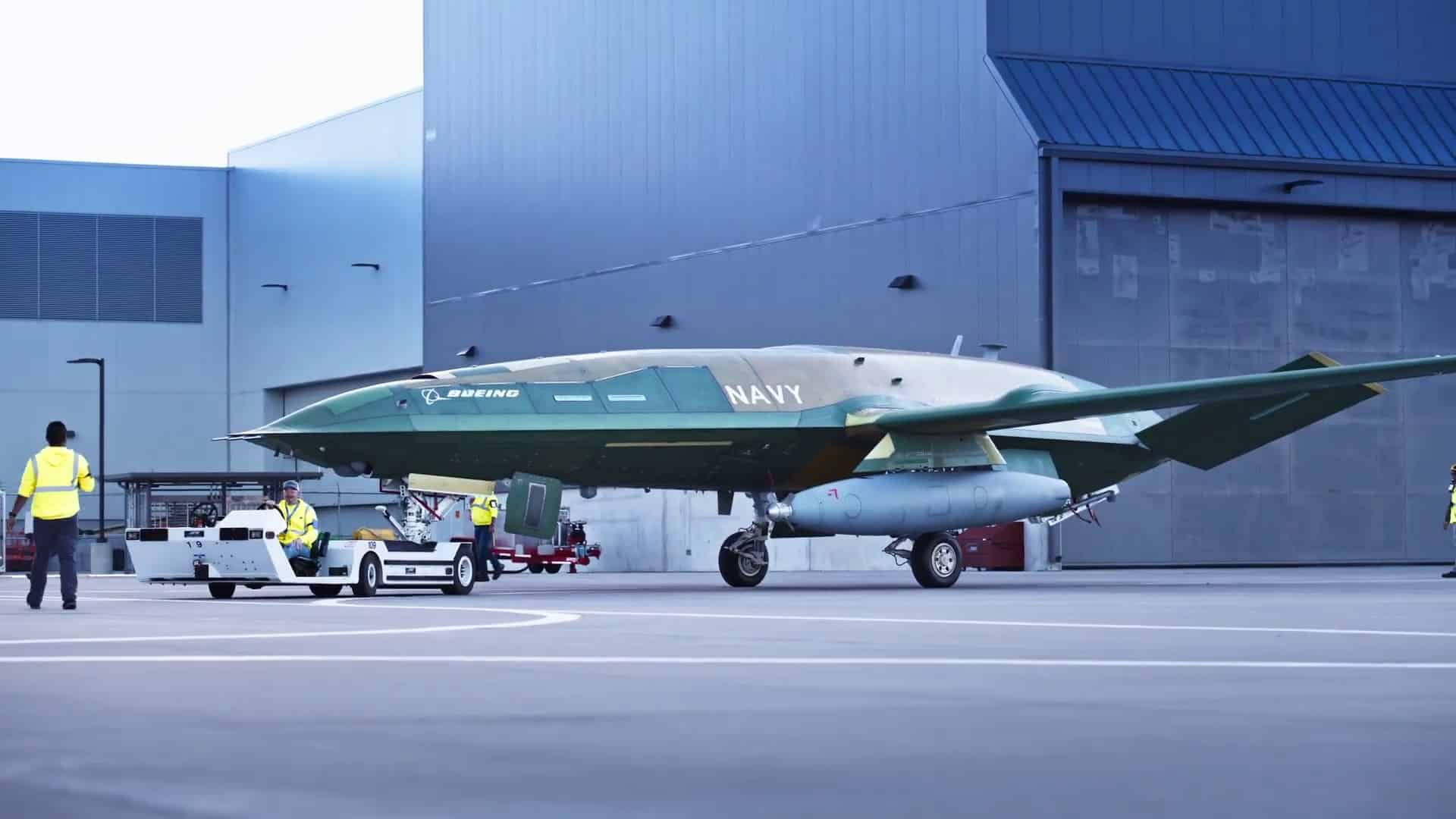
The U.S. Navy has awarded Boeing a $562 million fixed-price incentive contract for the first low-rate initial production lot of the MQ-25A Stingray, moving the carrier-based unmanned aerial refueling aircraft into production. The award covers three Lot 1 aircraft and provides advance procurement funding for long-lead components supporting three additional aircraft in Lot 2.
Initial deliveries are scheduled to begin in 2029. The contract follows the program’s Milestone C approval, which formally moved the MQ-25A from the Engineering and Manufacturing Development phase into production. The award therefore establishes the first production tranche while also preparing components for the next three aircraft.
Flight testing preceded production
The production decision came after the Stingray’s first flight from MidAmerica St. Louis Airport in Mascoutah, Illinois. During the approximately two-hour flight, the aircraft demonstrated autonomous taxiing, takeoff, flight and landing under commands from a ground control station. The test also assessed its basic flight controls, engine performance and handling characteristics.
With production now active and initial aircraft being built at Boeing facilities, the Navy and Boeing are working on technical-risk reduction, operator training preparations and the decisions required for subsequent full-rate production. The supplied report did not provide a date for that full-rate production decision.
Carrier-based refueling role
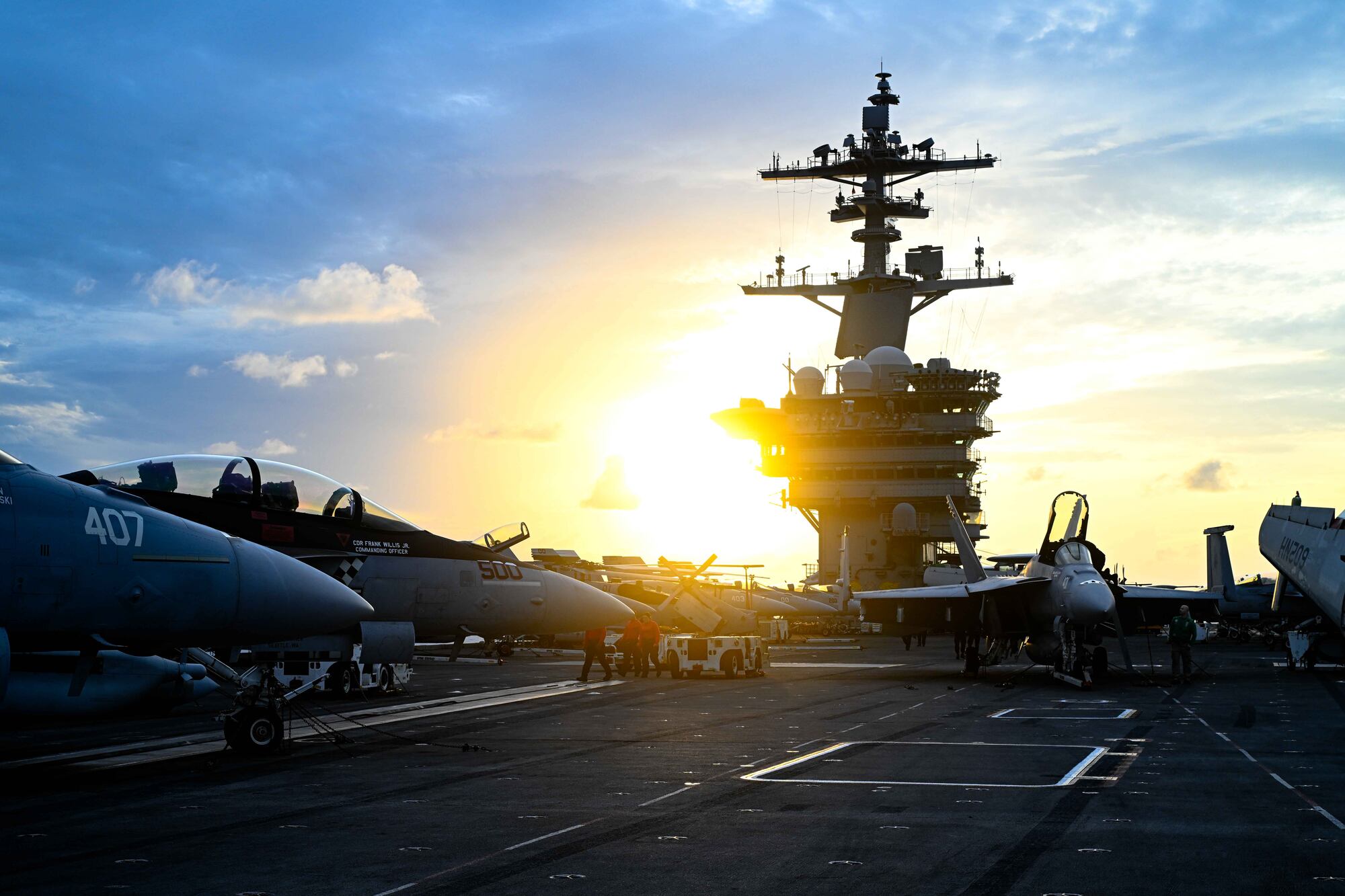
The MQ-25A is designed to perform aerial refueling from an aircraft carrier. Its intended role is to take routine tanker missions away from crewed F/A-18E/F Super Hornets, allowing those aircraft and their available weapon stations to remain focused on strike missions, according to the program description. The stated operational effect is to preserve more of the carrier air wing’s aircraft capacity for strike and ordnance missions rather than tanker duties.
The U.S. Navy’s stated core requirement calls for the Stingray to transfer between 14,000 and 16,000 pounds of fuel to tactical aircraft at a range of 500 nautical miles, or approximately 926 kilometers, from the carrier. The program description presents that capability as a means of extending the carrier air wing’s reach, flexibility and operational effectiveness.
Airframe and propulsion details
The aircraft has a wing-body-tail configuration measuring 51 feet in length. Its wingspan is 75 feet when extended and reduces to 31.3 feet when folded for handling on an aircraft carrier’s deck. Propulsion is provided by a single Rolls-Royce AE 3007N turbofan engine producing more than 10,000 pounds of thrust. These dimensions and the folding wing are specified for the carrier operating environment, where aircraft must be moved and positioned within limited deck space.
The Stingray was originally designed primarily as an unmanned tanker. Previous Naval News video reporting from the Sea Air Space event showed scale models of the aircraft in armed configurations carrying Long Range Anti-Ship Missiles, underscoring a broader discussion of expanding carrier strike reach through uncrewed capabilities. The production contract itself, however, funds the MQ-25A’s refueling aircraft configuration.