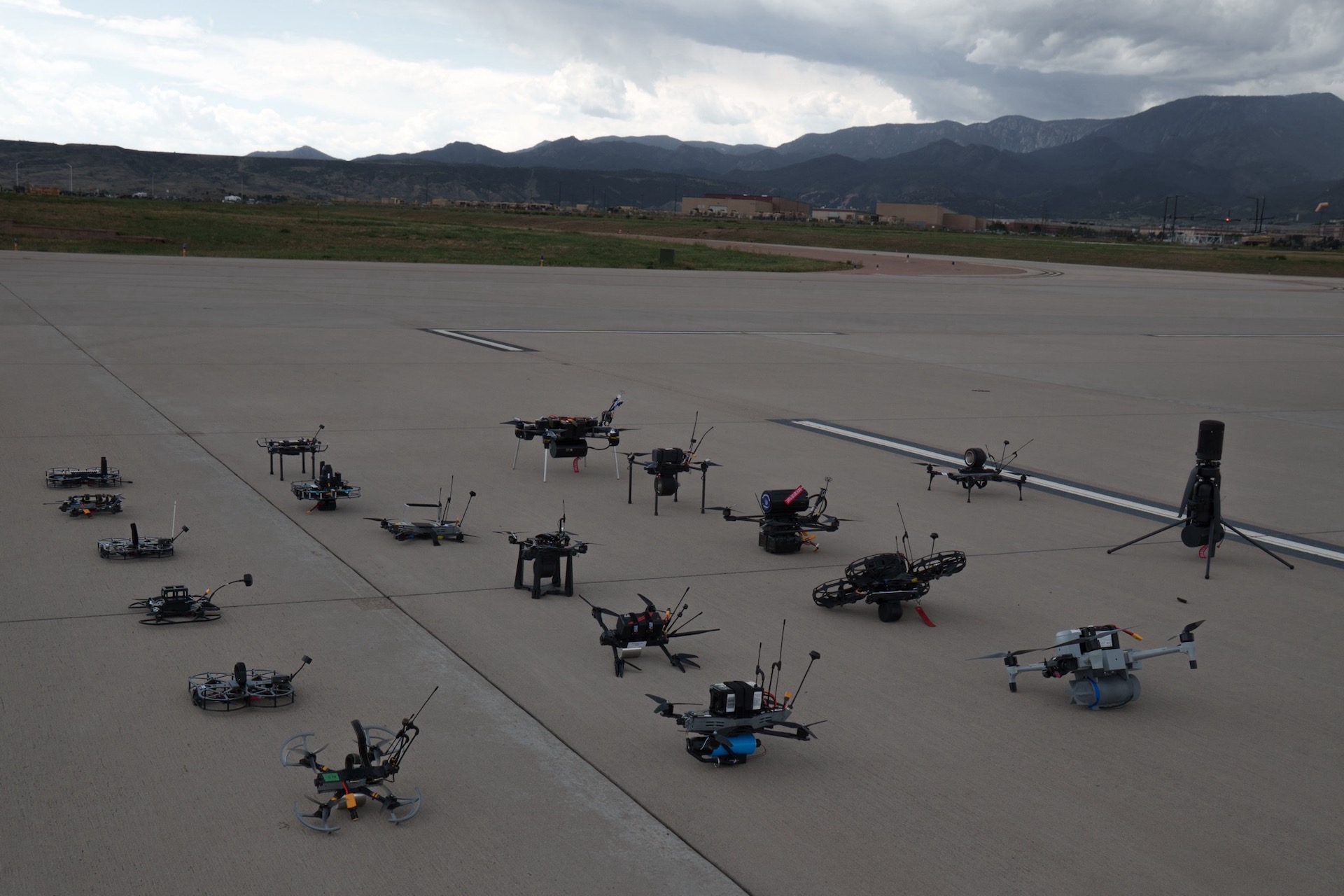
Cape Canaveral Space Force Station is due to receive additional counter-unmanned aircraft system capabilities in the coming weeks, according to the U.S. Space Force. The equipment will be supplied by Joint Interagency Task Force 401, the Pentagon organization focused on counter-drone efforts, as officials seek to improve protection for launch infrastructure against small drones.
Col. Brian Chatman, commander of Space Launch Delta 45, said Cape Canaveral is a priority for investment in additional capability. Space Launch Delta 45 oversees East Coast launch missions. He said the incoming systems would be integrated with the defenses already in place at the installation.
Neither Chatman nor a Space Launch Delta 45 spokesperson identified the technology JIATF 401 will provide. The task force also declined to discuss specific capabilities at particular locations, citing the sensitivity of such deployments.
Focus on small-drone protection
Chatman said the station has stronger protection against conventional aircraft than against small drones. He described a need for detection coverage spanning large aircraft through to quadcopters, highlighting the challenge posed by smaller unmanned systems at a major launch facility.
JIATF 401 said strategic installations are prioritized for counter-UAS fielding in support of U.S. Northern Command and the military services. Its spokesperson said the organization is working to protect installations from the illicit use of drones, while accelerating delivery of innovative capabilities. The task force said there is no single solution to the counter-drone problem.
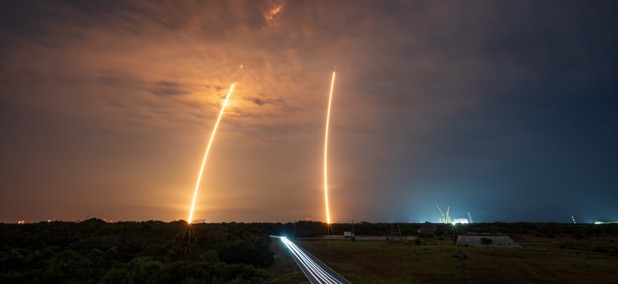
The added defenses are part of a broader government focus on protecting U.S. spaceports as launch activity is expected to grow. Cape Canaveral, described by the Space Force as the nation’s busiest launch facility, conducted 109 launches last year. Vandenberg Space Force Base in California supported 66 launches during the same period.
The White House has called for 1,000 launches and re-entries annually by the end of the decade, while the military is seeking additional satellites. Defense experts and wargame planners have raised concerns about launch-site exposure to attacks from land or sea. A June paper from the Mitchell Institute for Aerospace Studies cited scenarios in which disruptions to bridges connecting Cape Canaveral to the mainland could halt East Coast launch operations.
Security and workforce pressures
Separately, Chatman said a launch service provider has expressed interest in funding an automated vehicle-screening system at Cape Canaveral. According to Chatman, base security inspections and clearance for trucks typically take about 10 minutes. The system under consideration could provide a clearance decision in about 30 seconds, improving vehicle throughput amid construction activity.
Chatman said expanded launch operations will also require additional personnel, including firefighters, security forces and civil engineers, supported through the Space Force’s partnership with the Air Force. A Government Accountability Office report issued in July found that one-quarter of positions Space Force leaders said were needed remained unfilled in fiscal 2025, largely because the service could not track its personnel.
The GAO report cited concerns from launch and space-base officials that supporting increased launch activity was becoming more difficult and unsustainable. It also reported that staffing shortfalls had forced one delta to close one of six fire stations in a squadron, leaving limited coverage for the remainder of the base when fire crews were assigned to launches.
For Cape Canaveral, the forthcoming counter-drone equipment addresses a specific protection gap identified by its commander, though the operational details and systems involved remain undisclosed. The deployment will be integrated into existing site security as the Space Force prepares for higher launch demand.