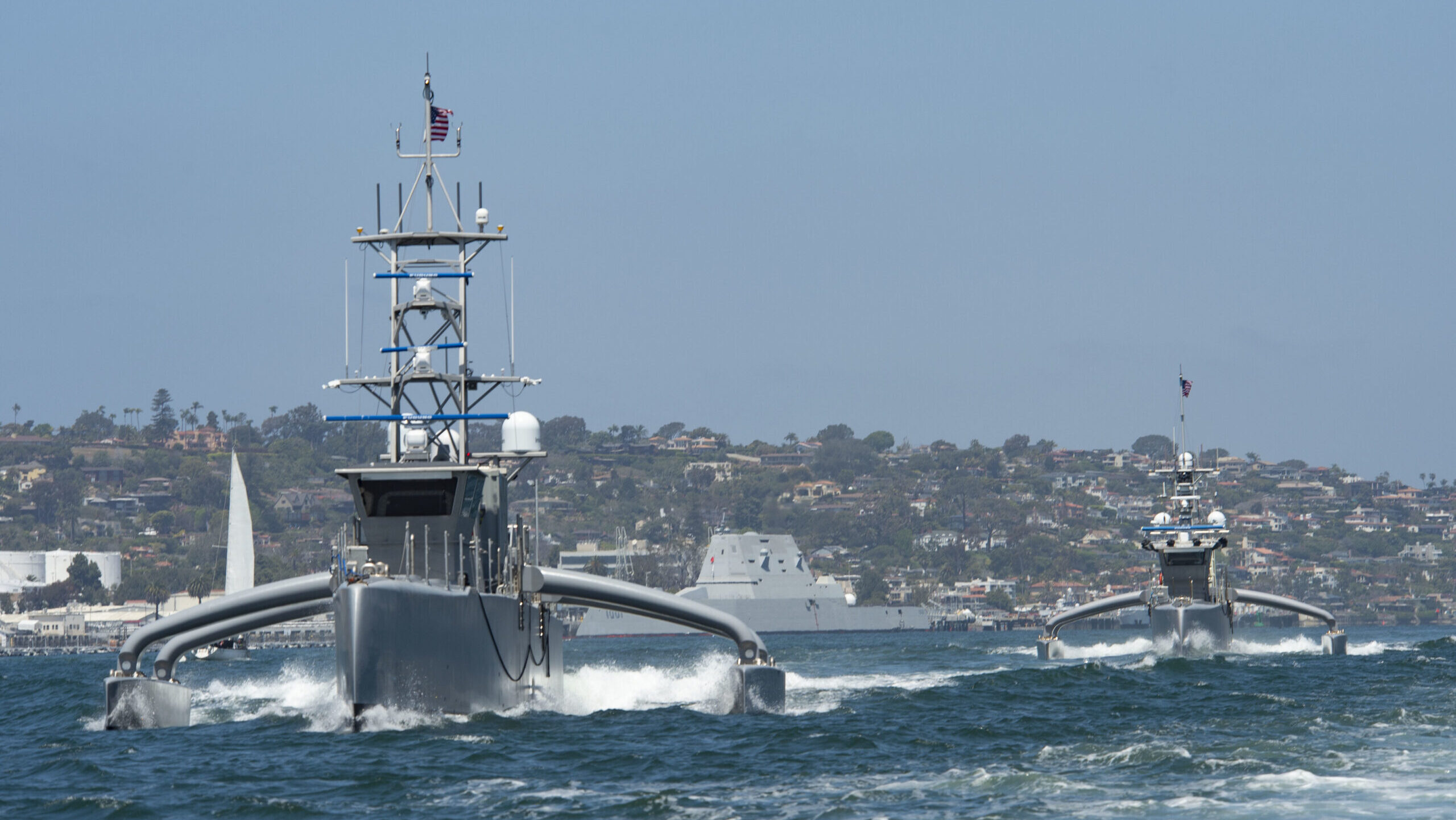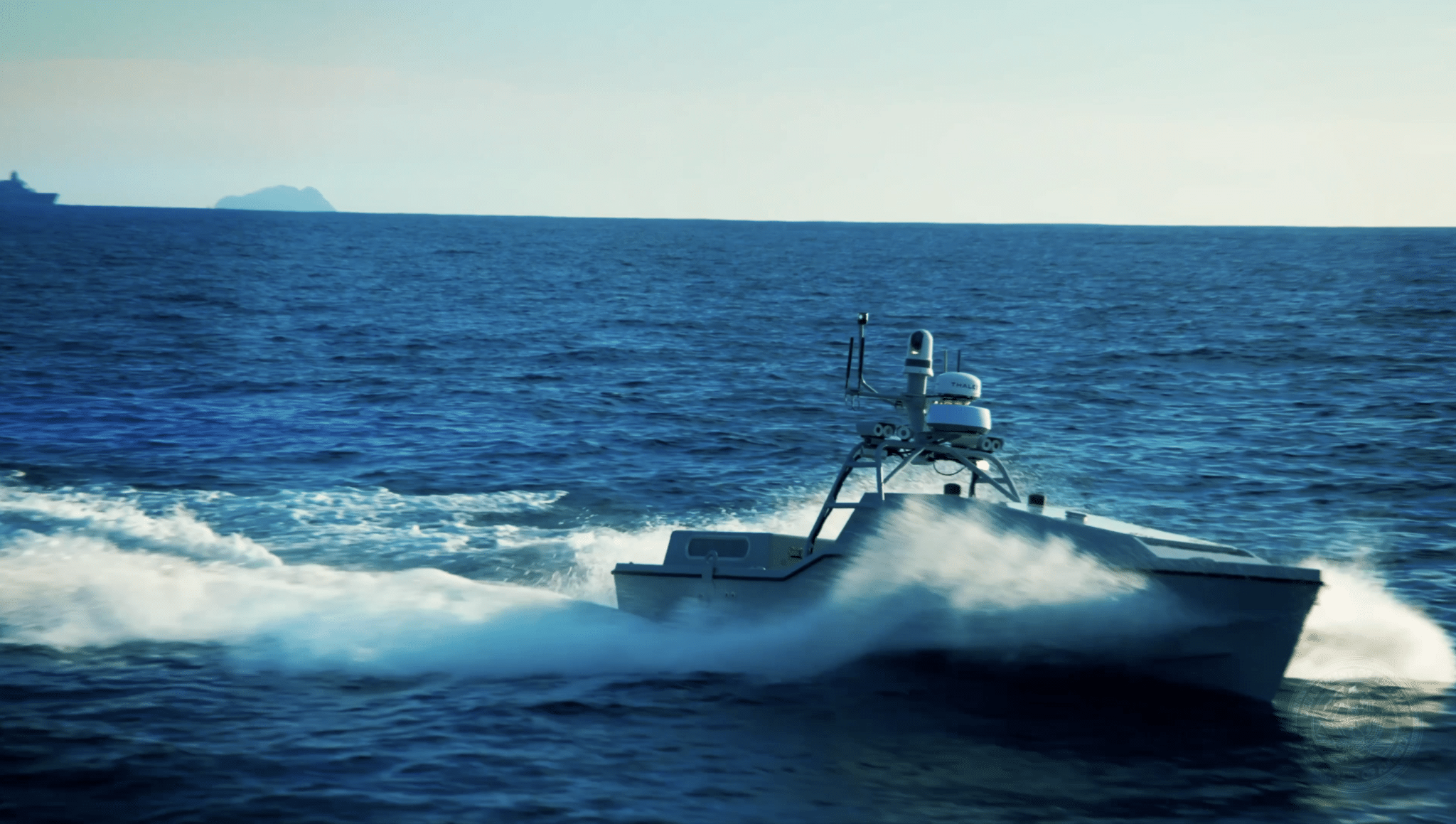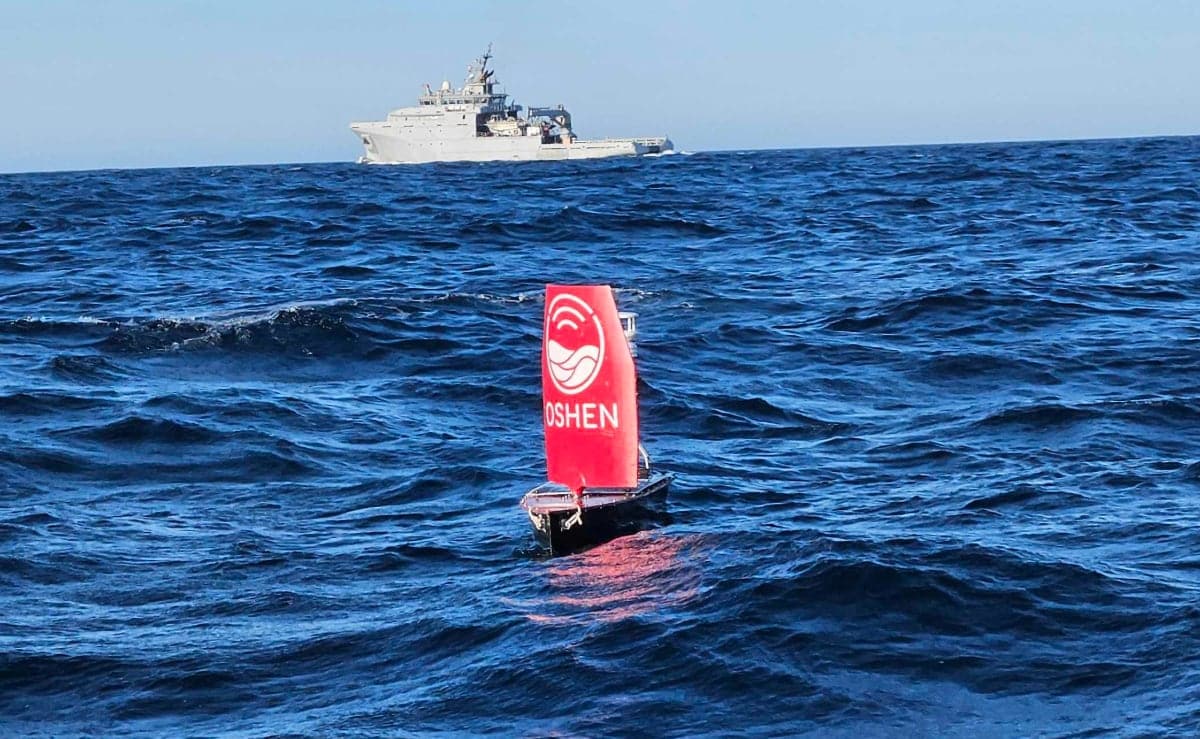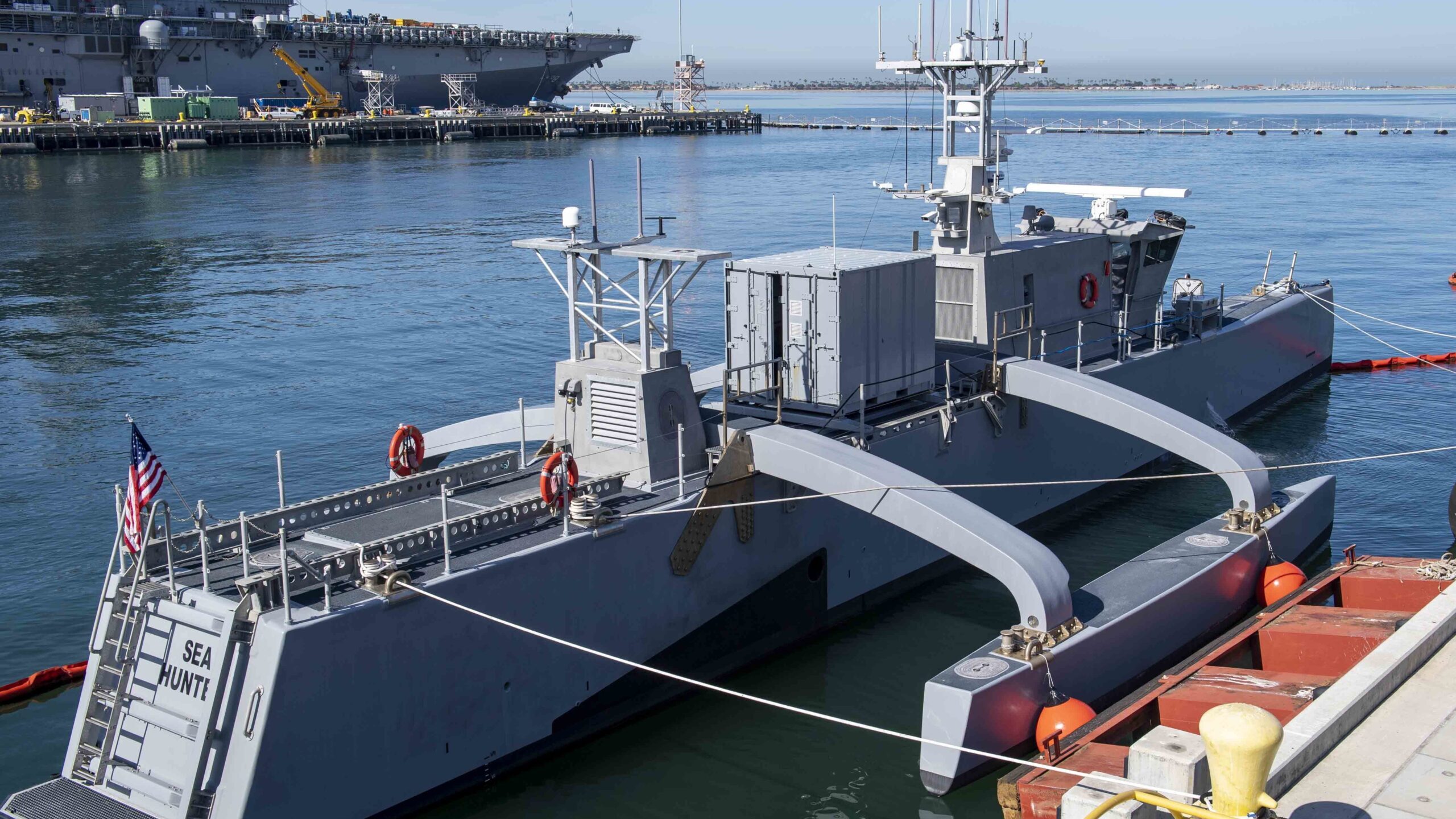
The US Navy has awarded contracts for 30 medium unmanned surface vessels (MUSVs) after a round of at-sea testing, advancing a procurement model intended to give the service access to production-ready autonomous platforms.
Galliano Marine Services, Huntington Ingalls Industries and Saronic Technologies each received contracts for 10 vessels, according to the Navy. The three companies will also make their systems available through the Navy’s online marketplace for unmanned surface vessels. Deliveries are expected by the end of fiscal 2027, and each vessel is estimated to cost approximately $40 million.
Six companies move into marketplace
Leidos, PacMar Technologies and Sea Machines also completed the Navy’s testing successfully and will be added to the marketplace. Their inclusion makes them eligible for potential follow-on production agreements across the Department of Defense, rather than making them recipients of the initial 30-vessel award.
The Navy said the six companies that successfully completed Phase I have received $15 million and can now compete for subsequent production contracts. Birdon, which was among the seven companies selected to participate in the demonstrations, did not successfully complete the testing, according to the service.
The trials were scheduled to run from July through October. They examined whether the vessels could maintain visibility and maritime awareness, conduct a long-duration mission and navigate autonomously while complying with the International Regulations for Preventing Collisions at Sea.
Acting Secretary of the Navy Hung Cao described the award as an example of the service’s effort to shorten acquisition timelines. “Our warfighters don’t have time to wait on bureaucracy while our adversaries pace forward,” Cao said in a statement. He called on industry to build quickly and deliver on schedule, while linking the procurement effort to the capabilities required by sailors and Marines.
Phase II changes vessel requirements
The procurement follows the Navy’s launch of the MUSV marketplace in March. Officials described the initiative as the first version of a recurring marketplace designed to acquire mission-capable platforms that are already available for production. The current awards come as the service moves into Phase II of the MUSV program.
On Sept. 23, the Navy published a solicitation for Phase II, which will integrate and test MUSVs and provide additional options through the online marketplace. The notice seeks vessels no longer than 90 meters that can conduct at least 10 days of unmanned operations. It requires capacity for at least two standard 20-foot shipping containers, reducing the payload requirement from the two 40-foot containers specified for Phase I.
Christopher Miller, the Navy’s Direct Reporting Portfolio Manager for robotic and autonomous systems, said all companies that completed Phase I would transfer into the marketplace and remain eligible for follow-on production agreements. He also said the service intends to broaden participation by allowing more new entrants and creating options for other services interested in the vessels.
Miller said one lesson from Phase I was that adding demanding capabilities, including speed, can create production difficulties for manufacturers and influence vessel designs. The Navy is therefore seeking what he described as a balance between requirements, industrial competition and opportunities for systems with both military and civilian uses.
Marketplace planned to expand beyond MUSVs
The Navy is working with its Direct Reporting Portfolio Manager for autonomy to expand the maritime marketplace beyond medium unmanned surface vessels. Miller said the service intends to use the marketplace hosted on drones.mil for appropriate surface vessels as well as systems in the air, undersea and counter-unmanned systems domains.