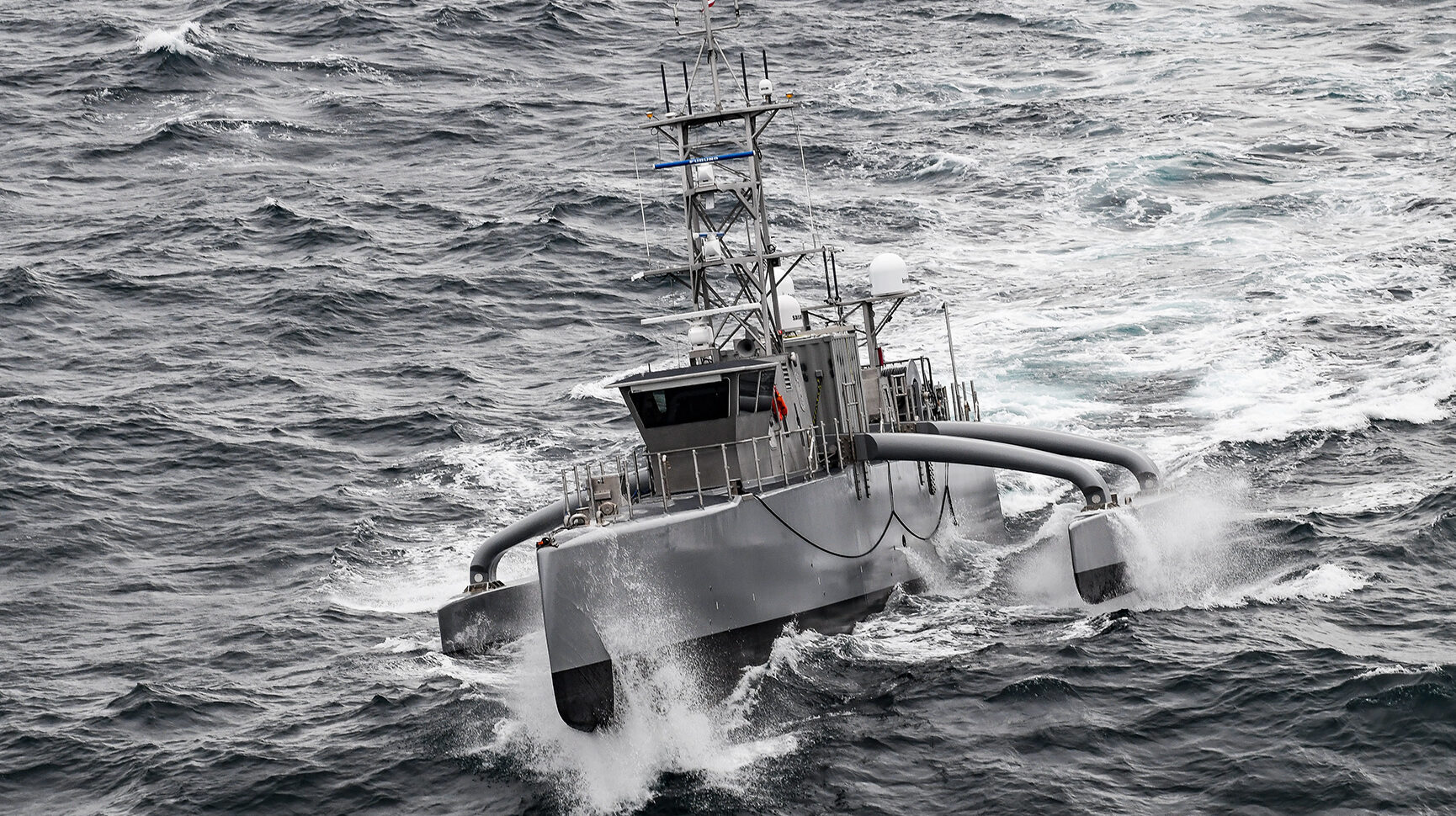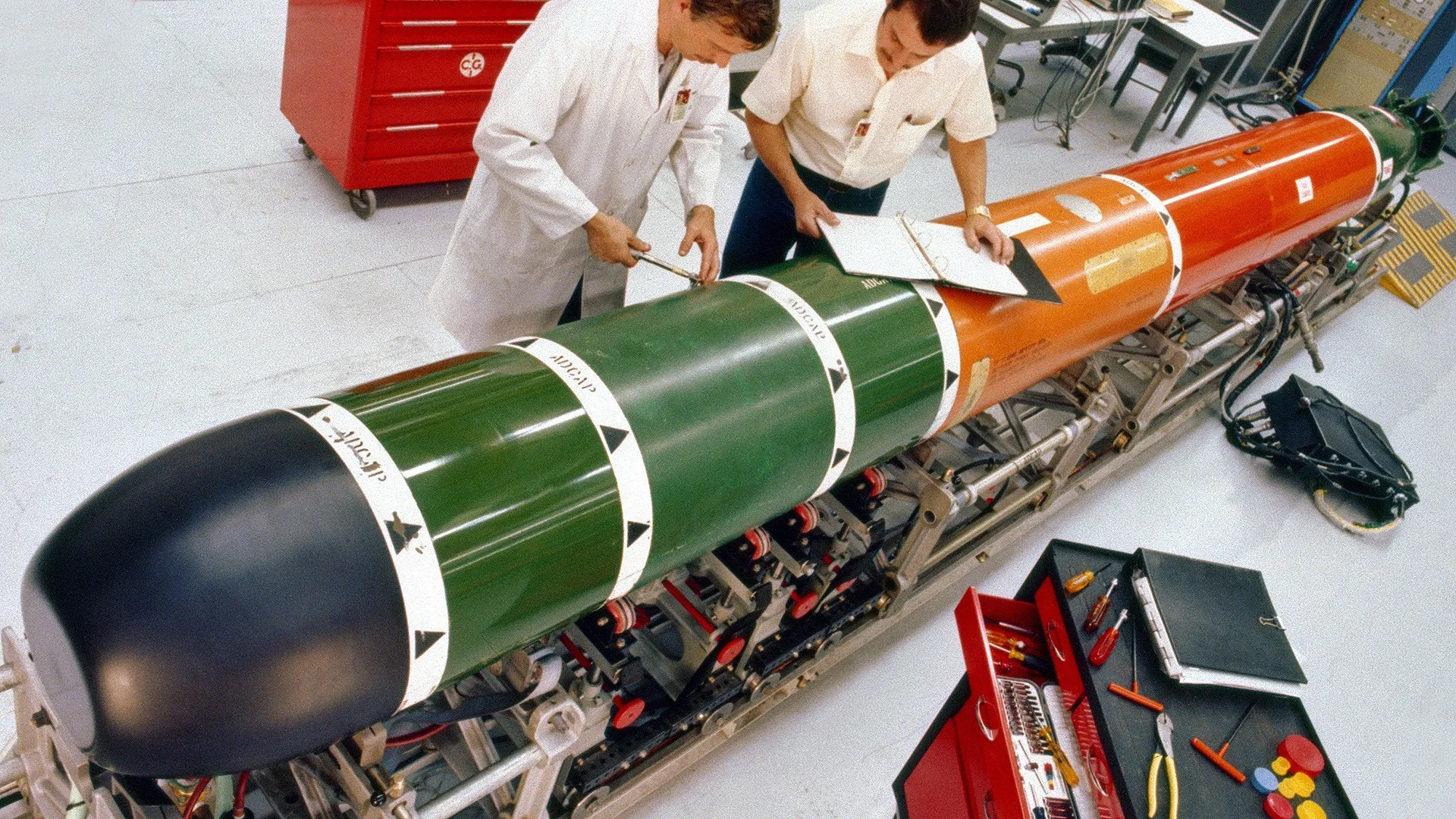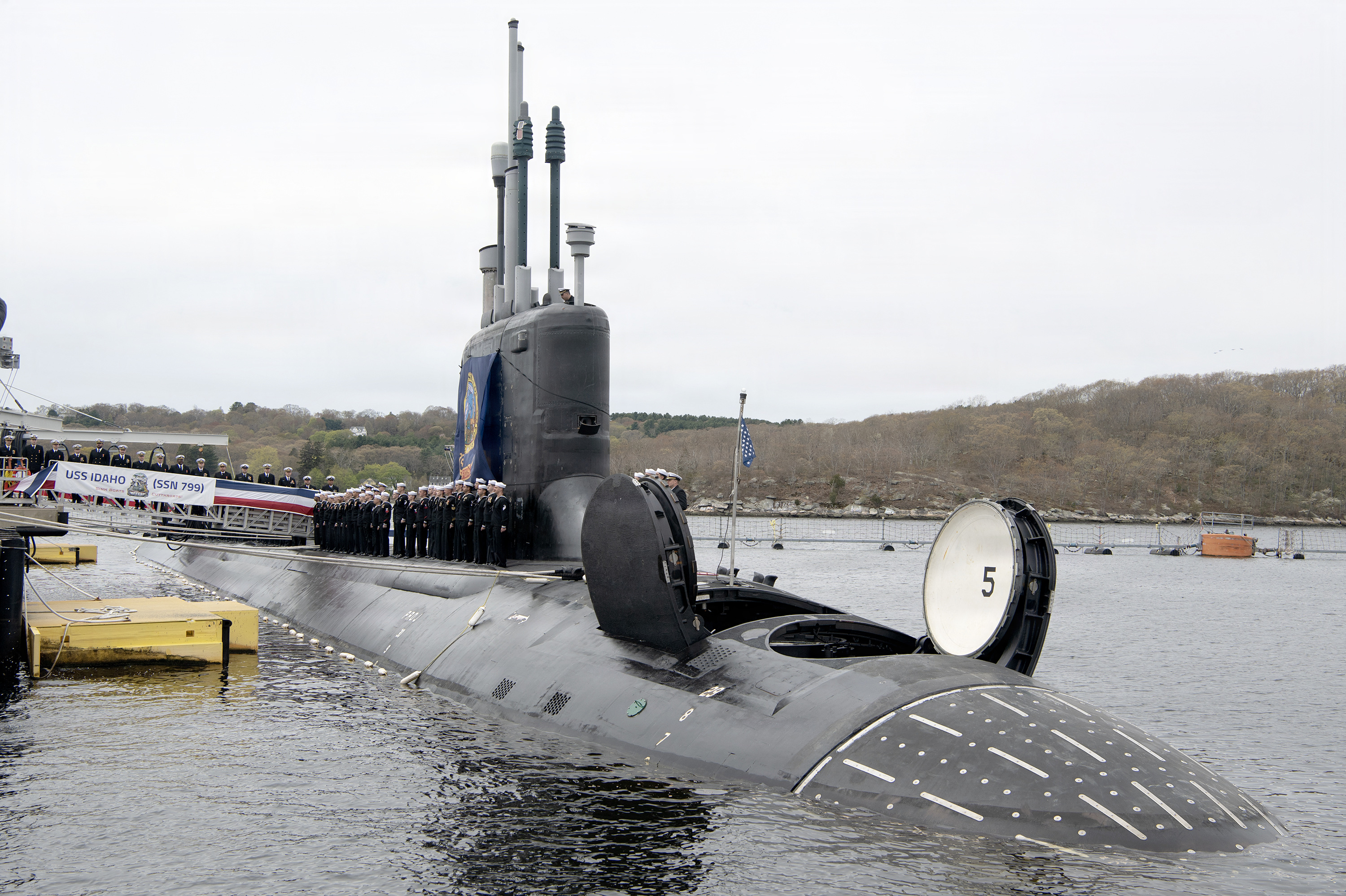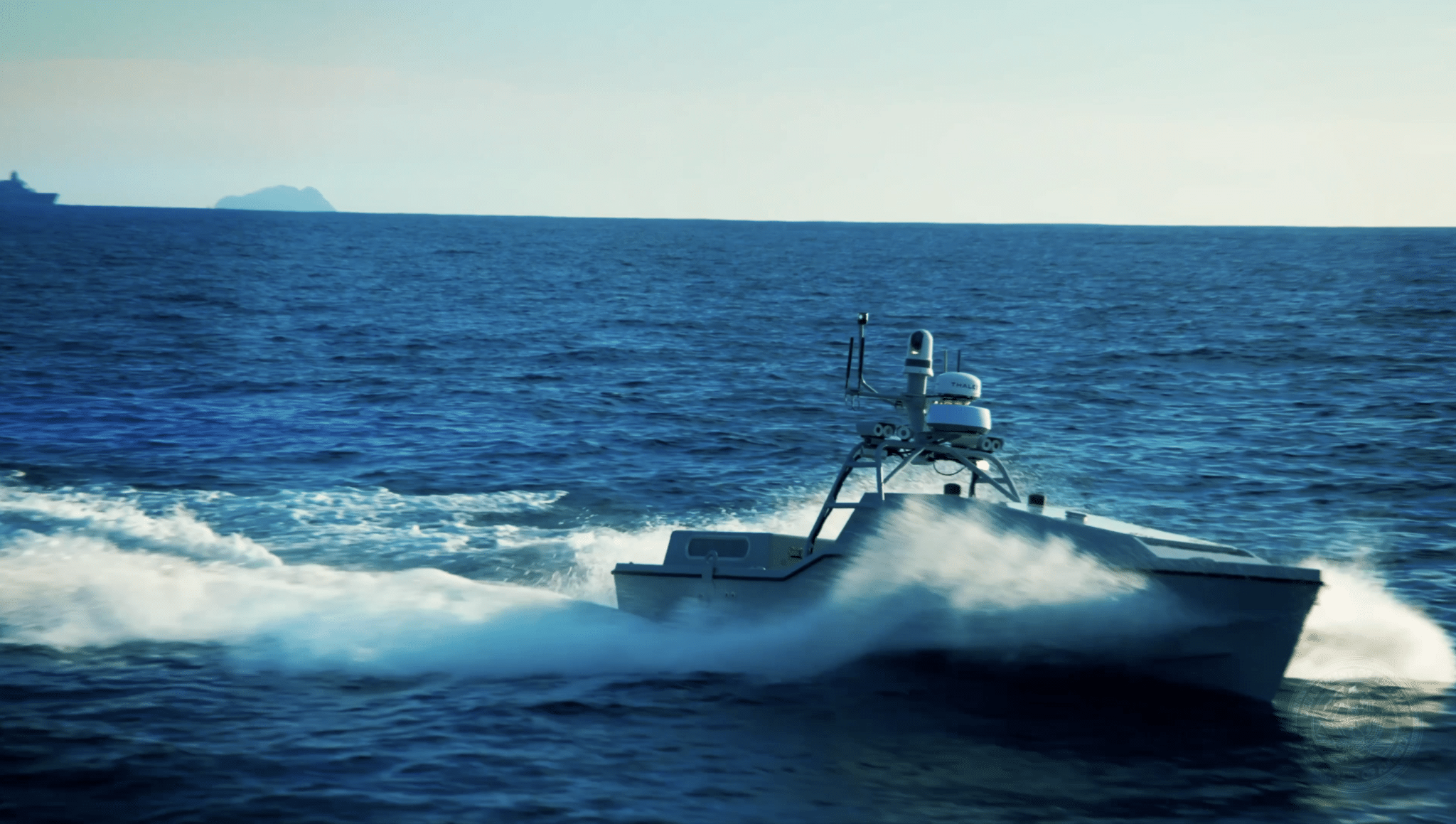
The U.S. Navy has formally established the Robotic and Autonomous Systems Warfighting Development Center (RASWDC), creating a dedicated organization to integrate, test and operationalize unmanned capabilities across air, surface and subsurface domains.
Established by the Secretary of the Navy and the Chief of Naval Operations (CNO), RASWDC is headquartered at Joint Expeditionary Base Little Creek-Fort Story. It operates as an Echelon 3 warfighting development center under U.S. Fleet Forces Command and is intended to serve as the Navy’s fleet-facing operational integration point for robotic and autonomous systems.
The organization is being created as the Navy seeks to accelerate the movement of unmanned capabilities from development into operational use. According to the Navy, its work will cover how robotic and autonomous systems are tested, employed, trained with and incorporated into naval operations.
“To maintain our decisive maritime advantage, we must rapidly integrate robotic and autonomous systems into how we operate, train, and deploy,” the CNO said. The service said RASWDC will provide sailors with the tactical training, doctrine and specialized instruction needed to employ these systems.
Operational integration and acquisition feedback
RASWDC will operate alongside the recently announced Direct Reporting Portfolio Manager for Robotic and Autonomous Systems, or DRPM RAS. The two organizations will have different responsibilities: DRPM RAS holds single accountable portfolio authority for acquisition, requirements implementation, budgeting, technical standards and fielding, while RASWDC is focused on operational employment.
The Navy describes the arrangement as a direct feedback loop between the acquisition enterprise and operational forces. RASWDC is expected to collect lessons from testing, experimentation and training, then return empirical performance data to developers and program managers. That information is intended to support changes to future capabilities and improve the connection between what is developed and what the Fleet can use.
The CNO described RASWDC as a bridge between capability development and operational employment, saying the center will help accelerate the delivery of unmanned systems to the Fleet. The Navy’s stated approach is to strengthen the connection between “The Foundry,” where capabilities are developed, and operational forces that test and employ them.
Testing, doctrine and sailor training
RASWDC is intended to conduct operational testing in representative environments and synchronize unmanned-systems activity across the Navy’s warfare communities. Its responsibilities will also include developing specialized doctrine, tactics, techniques and procedures, together with an advanced tactical instruction framework for certifying and deploying the platforms.
The center’s remit spans the air, surface and undersea environments rather than a single class of vehicle or mission. The Navy said its purpose is to consolidate autonomous-system efforts across those domains while providing one operational home for their integration at Little Creek.
Rear Adm. Melvin Smith has been designated RASWDC’s inaugural commander and the supported commander for establishing the organization. He is leading a phased near-, mid- and long-term implementation plan covering the command structure, relationships with other organizations and resource requirements as the center moves toward full operational capability.
“This is just day one,” Smith said. He said the command’s initial purpose is to bring the Navy’s autonomous efforts together across the air, surface and undersea domains, educate warfighters, equip the Fleet with systems able to operate in their environments and develop combined tactics for their use.
A coordinating command, not a replacement
The Navy said RASWDC will not replace the expertise or responsibilities of existing Warfighting Development Centers, Type Commanders, Systems Commands or operational commands. Instead, it will coordinate directly with those organizations as a dedicated operational integration point, incorporating emerging requirements and distributing lessons learned.
The center’s establishment therefore adds an organization specifically focused on turning unmanned-system development into operational practice. Its planned activities combine representative-environment testing, fleet training, doctrine development and feedback to acquisition authorities as the Navy works toward wider employment of robotic and autonomous capabilities.