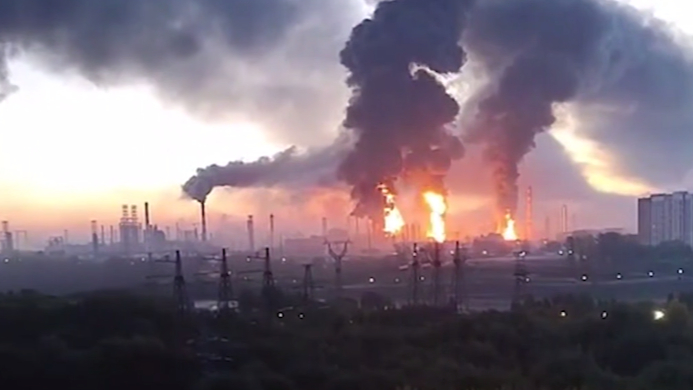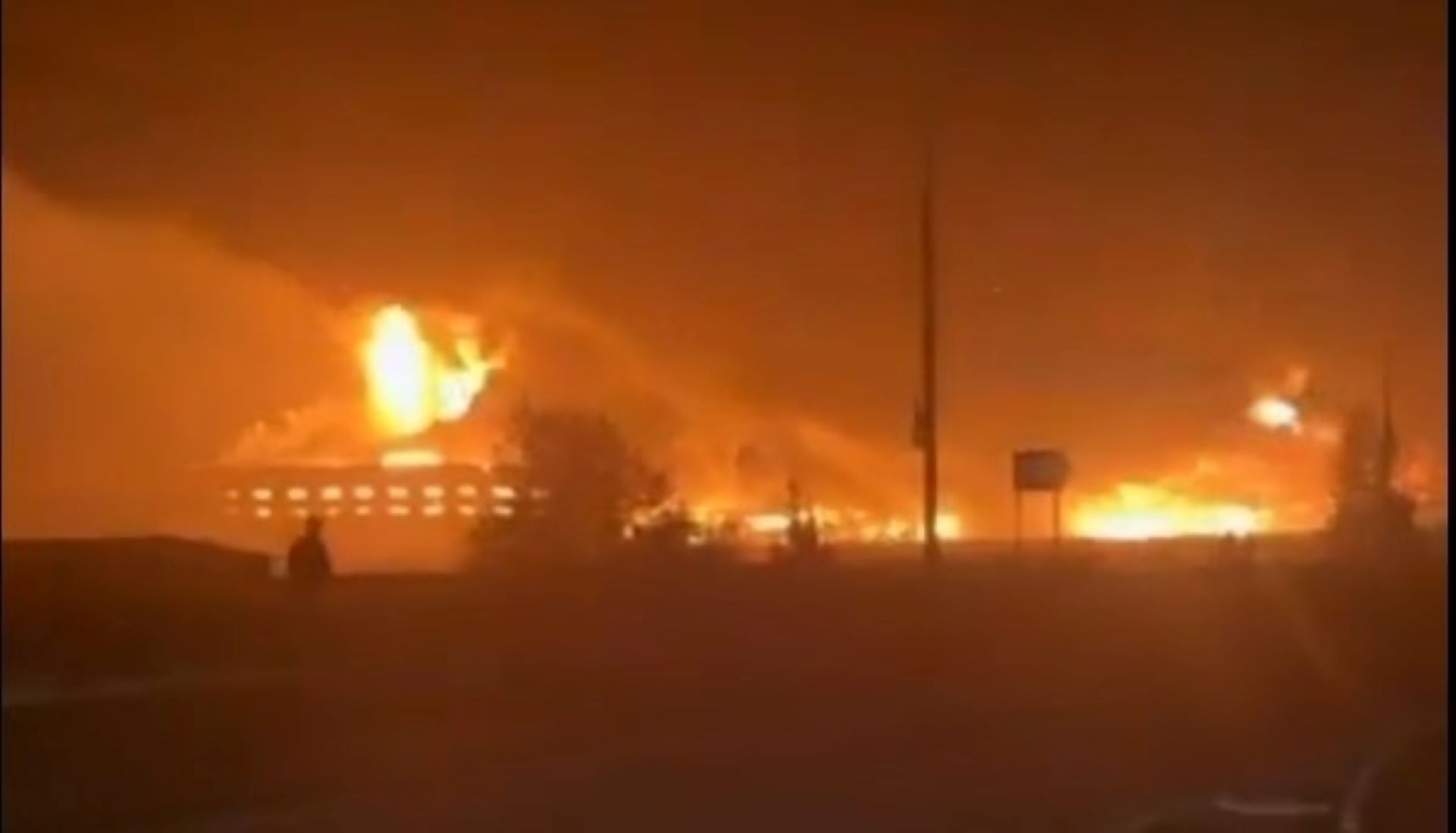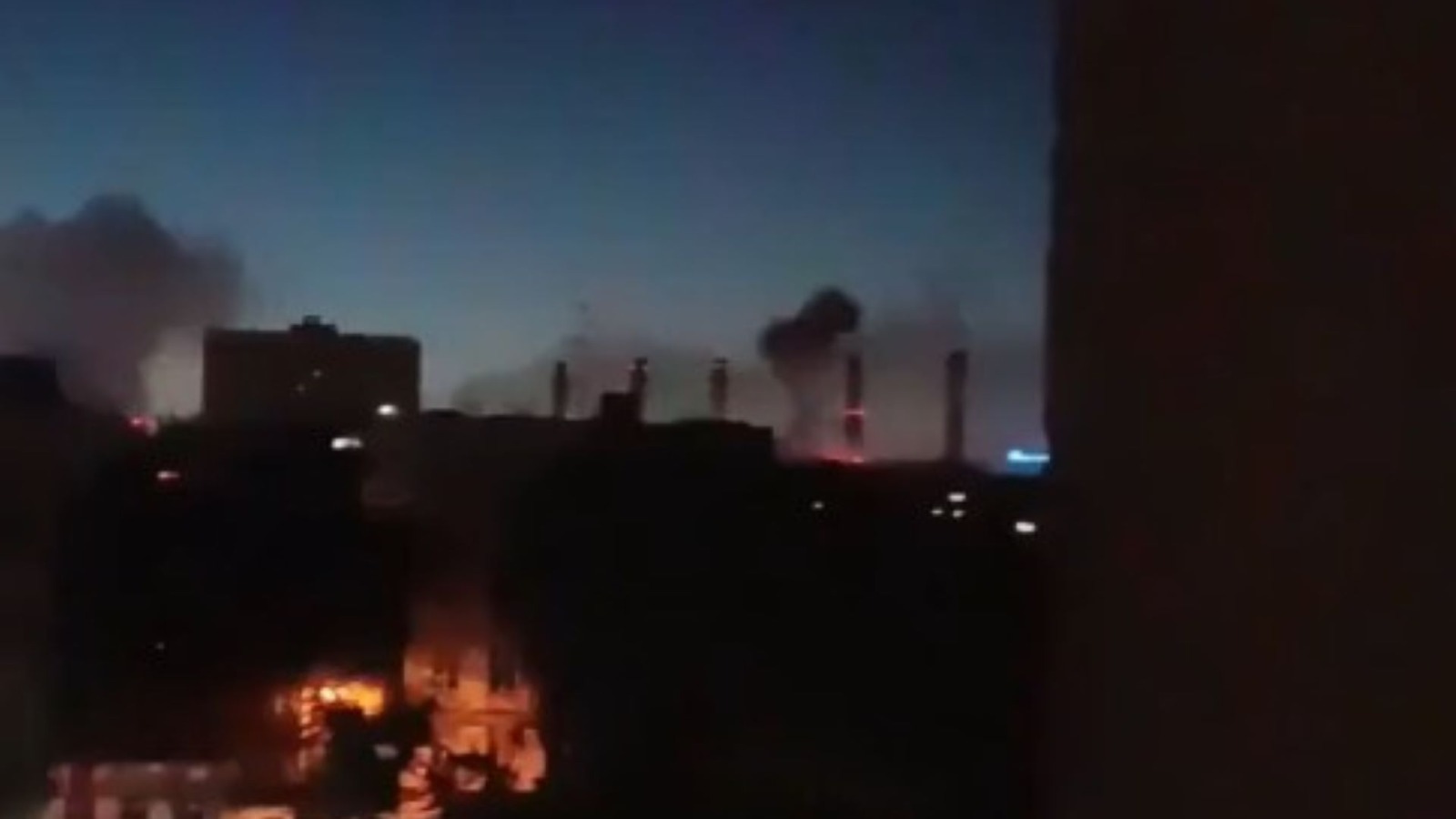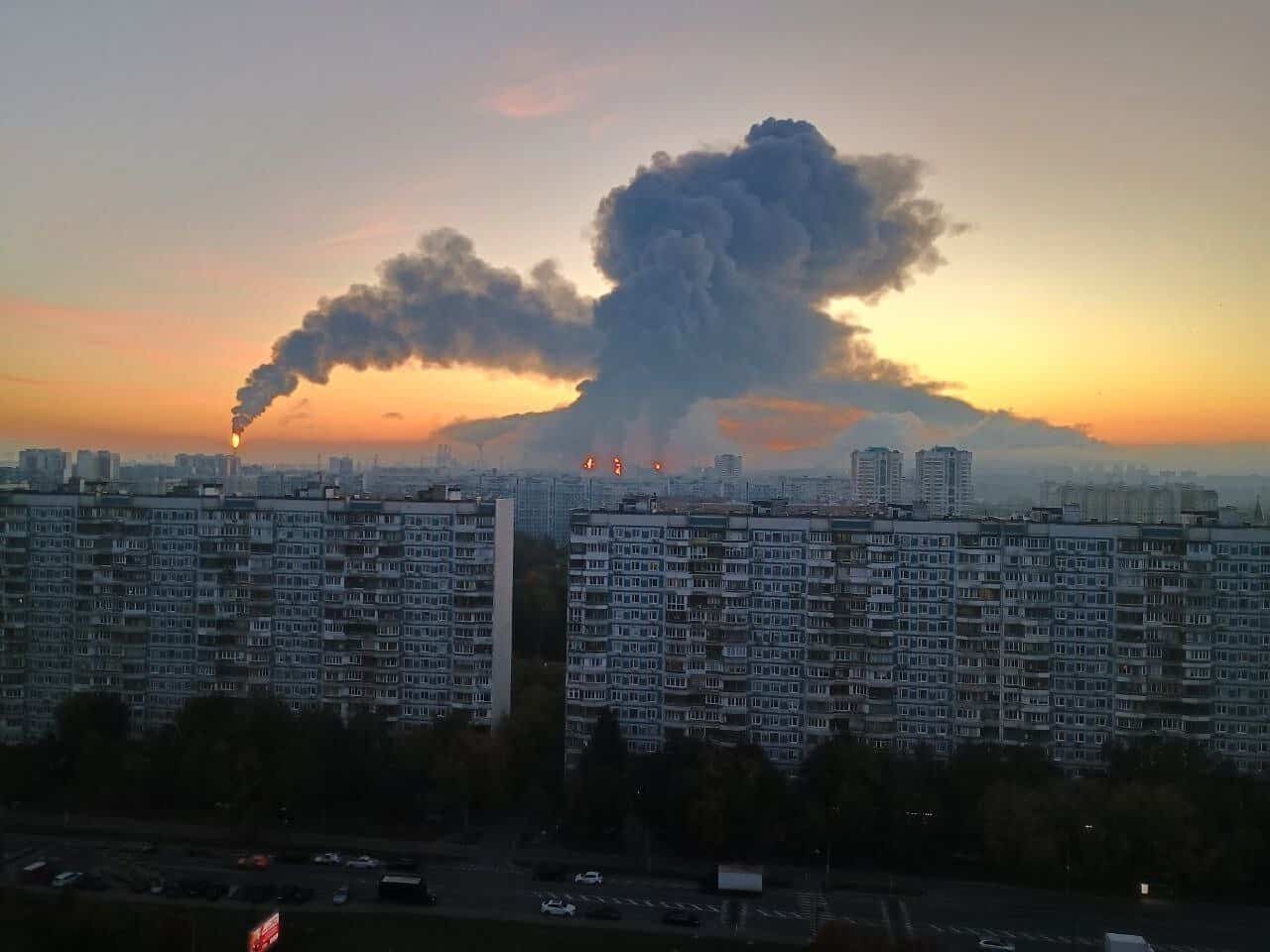
Ukrainian strike drones and cruise missiles targeted the Moscow Oil Refinery overnight on September 20, according to Militarnyi, which reported that the attack caused a large fire at the site. Footage published by the Exilenova+ media outlet showed the incident, while Russian monitoring channels reported a drone alert and subsequent air-defence activity over several hours.
Residents also reportedly found wreckage from an unidentified missile that visually resembled Ukraine’s FP-5 Flamingo cruise missile. However, the available evidence does not confirm that an FP-5 was used in the strike. A video recorded by local residents included the sound of what appeared to be a jet engine, Militarnyi reported, but the footage did not establish the type of weapon involved.
Air-defence reports and reported damage
A drone-threat alert was issued at 3:19 a.m., according to the report. By 3:51 a.m., Russian monitoring channels were reporting that air-defence systems were operating. Those channels were still reporting air-defence activity at 5:27 a.m., indicating that the reported defensive response continued for more than an hour and a half after the first alert.
Militarnyi said geolocation data indicated that the strike affected a combined oil refining unit, or CORU, and an AVT-6 oil-treatment unit. Further details of the damage were still being determined in the source report. The reported targets form part of the site’s crude-processing infrastructure, although neither the extent of physical damage nor any resulting interruption to refinery operations was independently established.
The refinery is located in Moscow’s Kapotnya district. Militarnyi described it as one of Russia’s 10 largest oil-processing facilities and said it supplies about 40% of petroleum-product demand in the Moscow region, including Moscow itself and the surrounding oblast. The facility has a stated crude-processing capacity of 11 million tonnes annually and covers 284 hectares, which the source described as compact for a refinery of its processing class.
Processing complex
According to the source, the production complex contains more than 30 processing units serving different functions, including catalytic cracking, thermal cracking and reforming. Its reported output includes AI-80EK, AI-92EK and AI-95EK gasoline grades, diesel fuel, aviation kerosene, bitumen, sulfur and various polymers.
The AVT-6 unit reportedly affected in the latest attack performs initial crude-oil preparation and processing. Its role is to separate crude into basic fractions, or distillates, for subsequent fuel production. Militarnyi separately reported fires at an ELOU-AVT-6 unit during an earlier attack on the refinery; the source did not provide additional technical detail connecting the two unit designations beyond the reported locations.
Previous drone attacks
The September 20 operation followed two reported Ukrainian strikes against the same refinery in June 2026. Militarnyi had previously reported that damage from those drone attacks was significant enough that the facility was unlikely to resume production during the year. The latest report, however, did not provide an independent assessment of the refinery’s operational status before the September strike or confirm whether production had resumed.
The first June attack occurred on June 16 and caused a fire whose smoke was visible from several kilometres away, according to the report. Footage released by local residents was cited by Militarnyi as indicating the use of FP-1 drones, Lyutyi drones and Shahed-type unmanned aerial vehicles in strikes on the Moscow capital region.
A second strike followed on June 18. Resident-recorded footage reportedly showed multiple fires across the refinery, including at the ELOU-AVT-6 unit. The latest reports of debris resembling an FP-5 Flamingo raise the possibility of an additional weapon type in the September operation, but neither the wreckage nor the audible engine sound establishes the missile’s involvement. The specific mix of drones and cruise missiles used in the September 20 attack has not been confirmed.