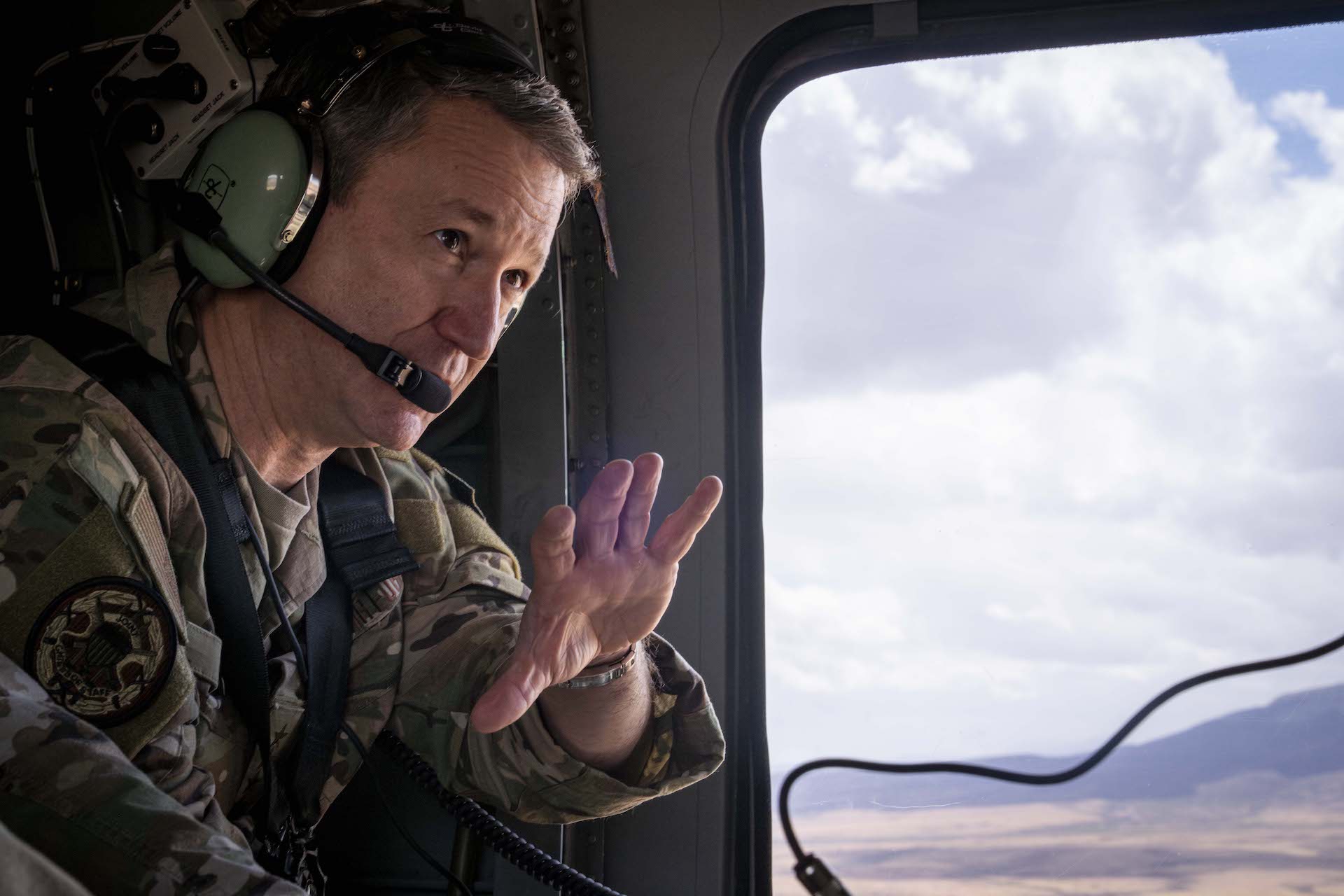
Caine: U.S. Forces Must Prepare for Autonomous Threats
Joint Chiefs Chairman Gen. Dan Caine cited AI-enabled FPV drones in Ukraine and a Task Force 59 rescue near Oman as examples of unmanned systems reshaping operations.
TOPIC / 8 ARTICLES
Reporting, analysis and explainers tracking the systems, companies, programs and operational developments shaping AI.
LATEST COVERAGE
Joint Chiefs Chairman Gen. Dan Caine cited AI-enabled FPV drones in Ukraine and a Task Force 59 rescue near Oman as examples of unmanned systems reshaping operations.
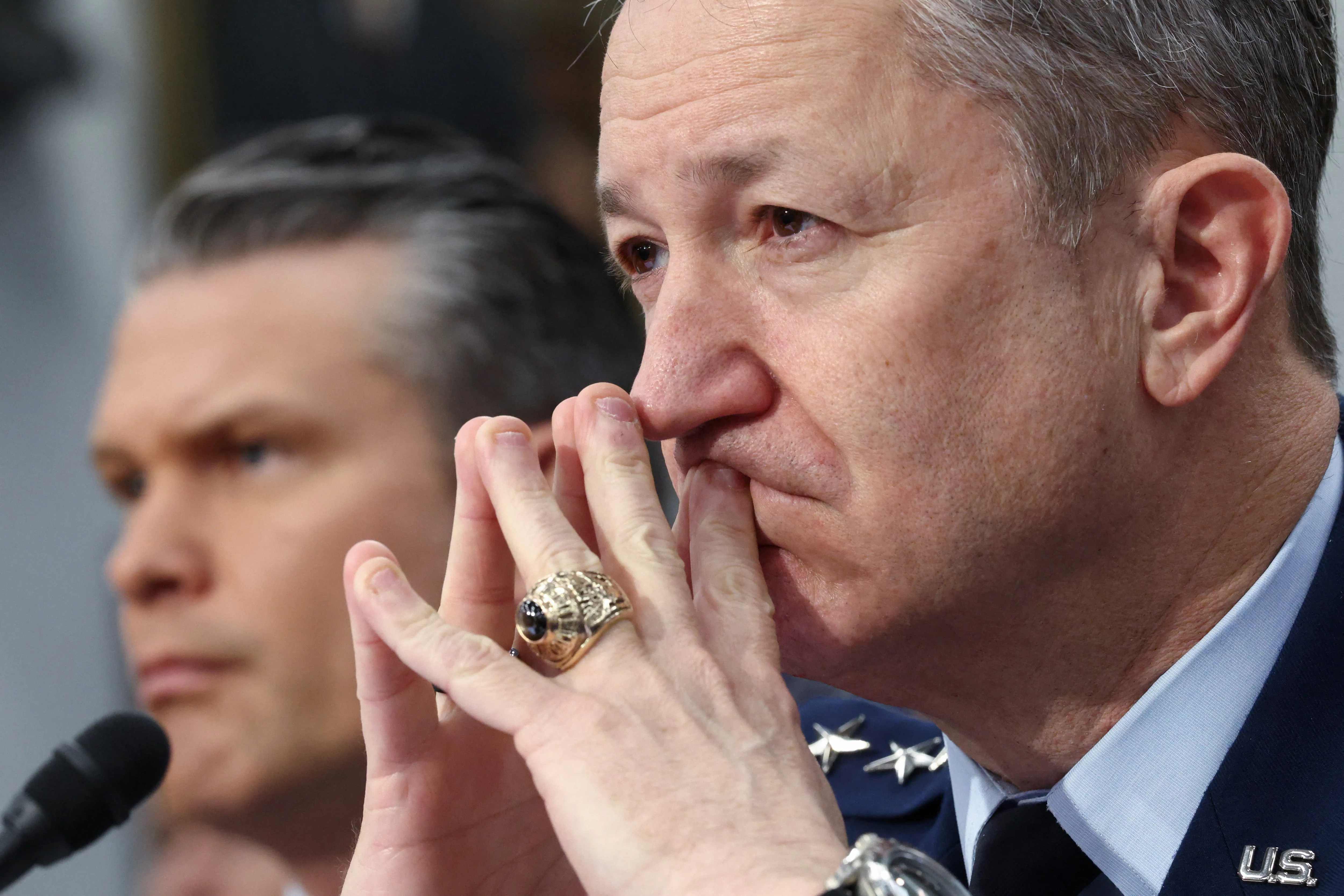
The Joint Chiefs chairman said artificial intelligence, cyber capabilities and unmanned systems are changing the conditions under which US forces must prepare to operate.
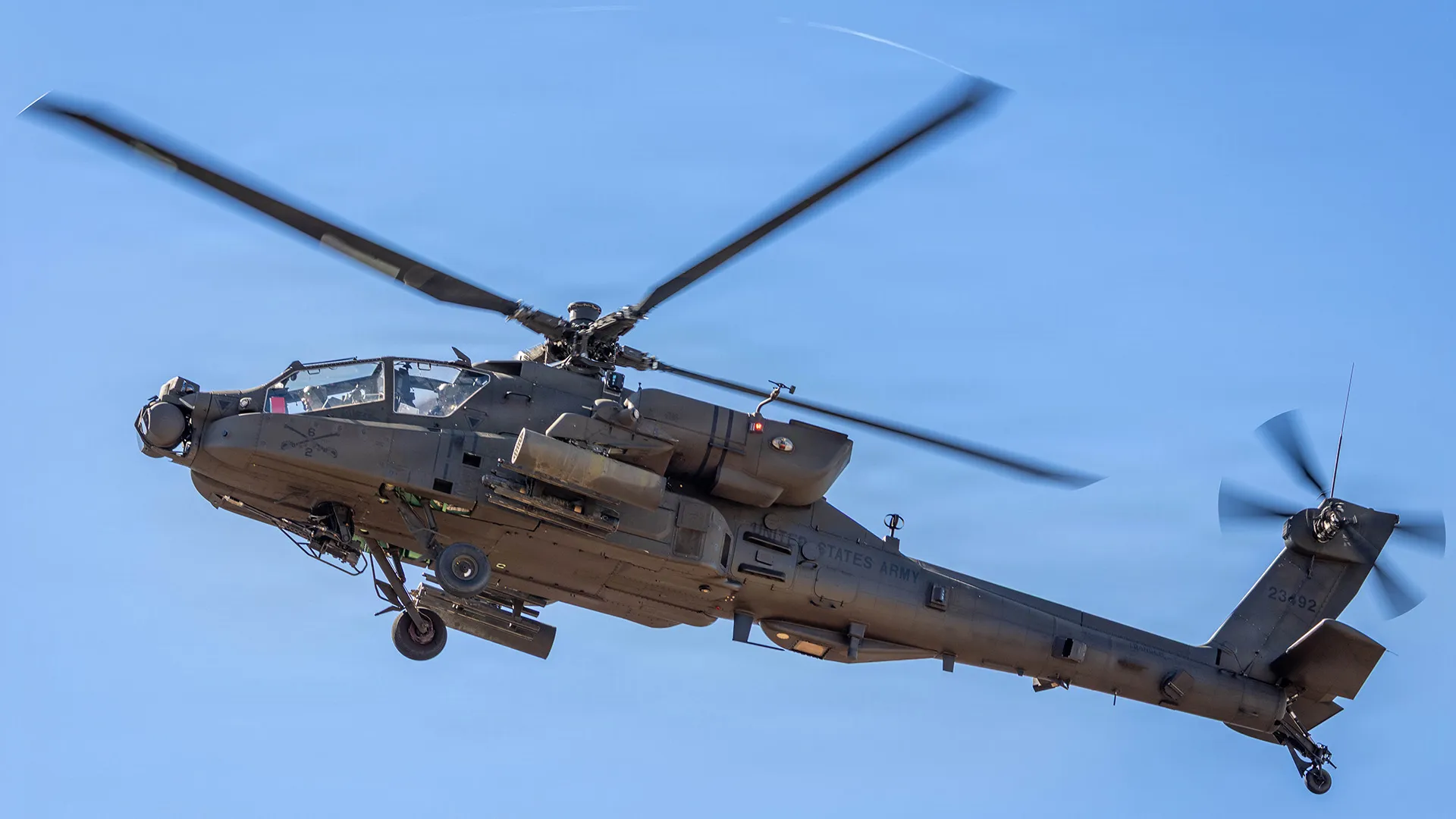
Joint Chiefs Chairman Gen. Dan Caine cited the June operation and AI-enabled FPV drones in Ukraine as examples of unmanned systems’ growing military role.

The AI company said the software was tested with real hardware but had not been fielded, and that it blocked the group from its services.
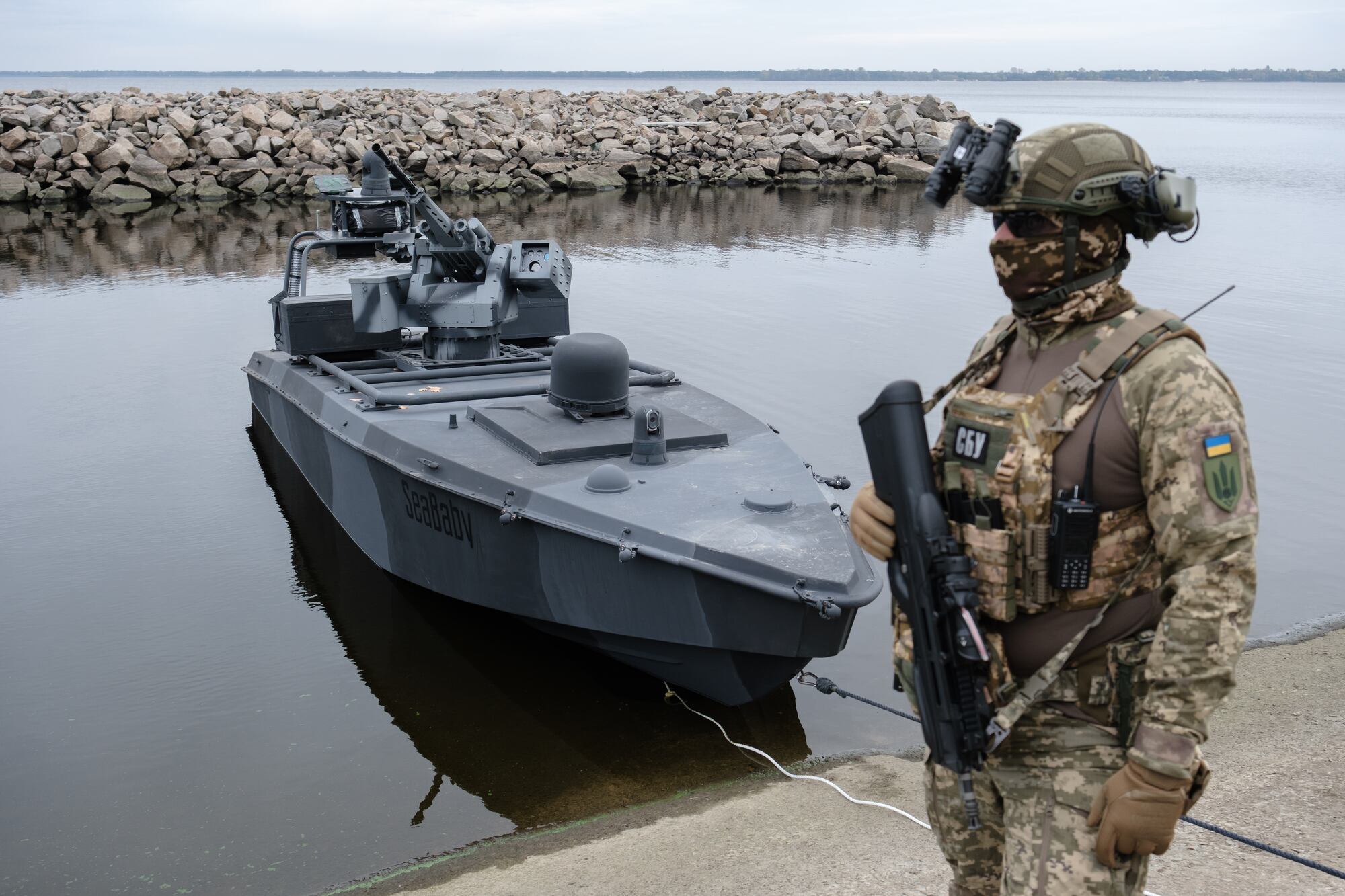
Ukraine’s Security Service has configured its Sea Baby unmanned surface vessel to deploy six to eight FPV attack drones, adding an aerial-launch role to the naval platform.
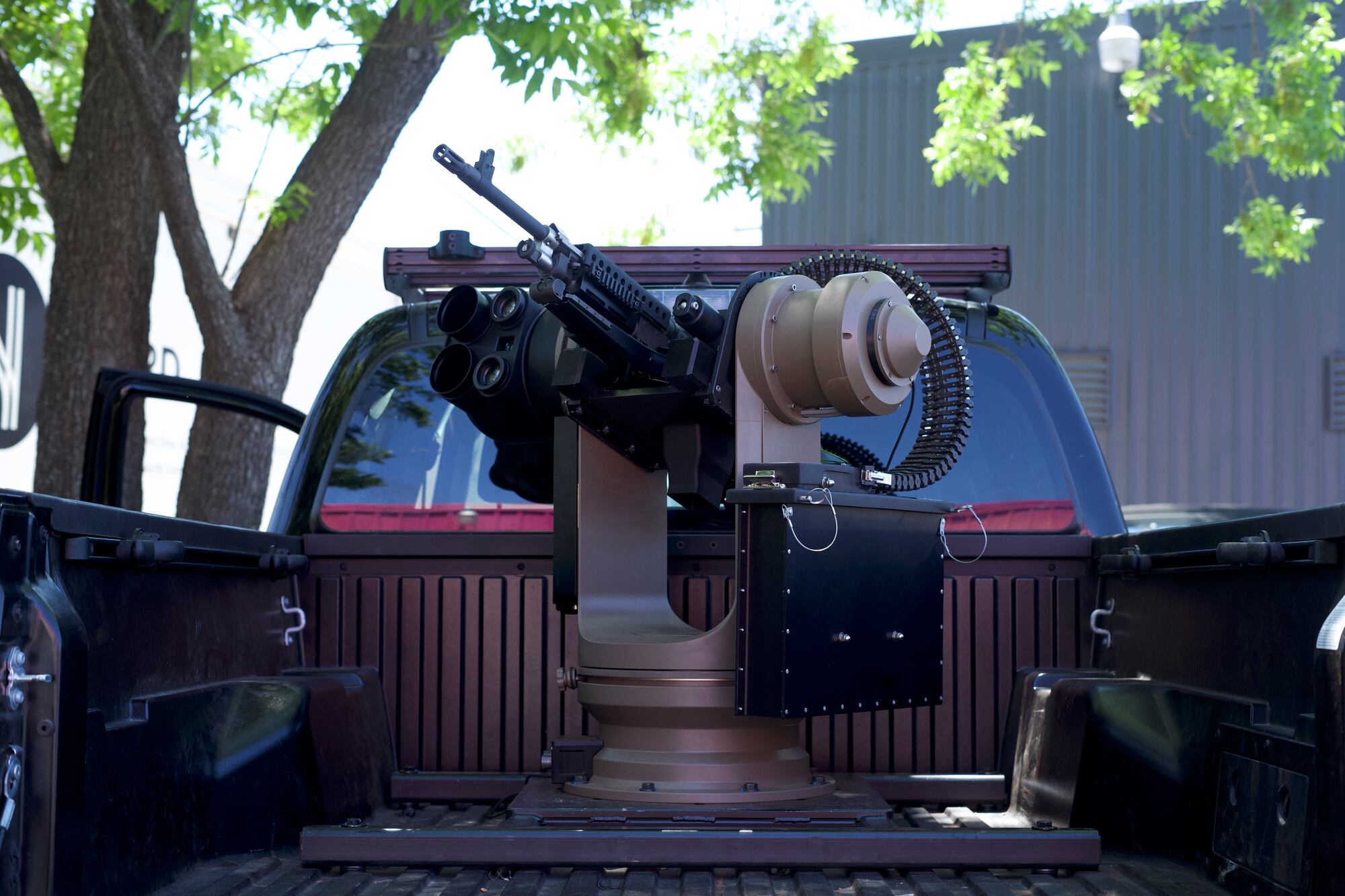
Allen Control Systems’ AI-enabled Bullfrog will be integrated into the Corps’ ground-based counter-drone air-defense program.
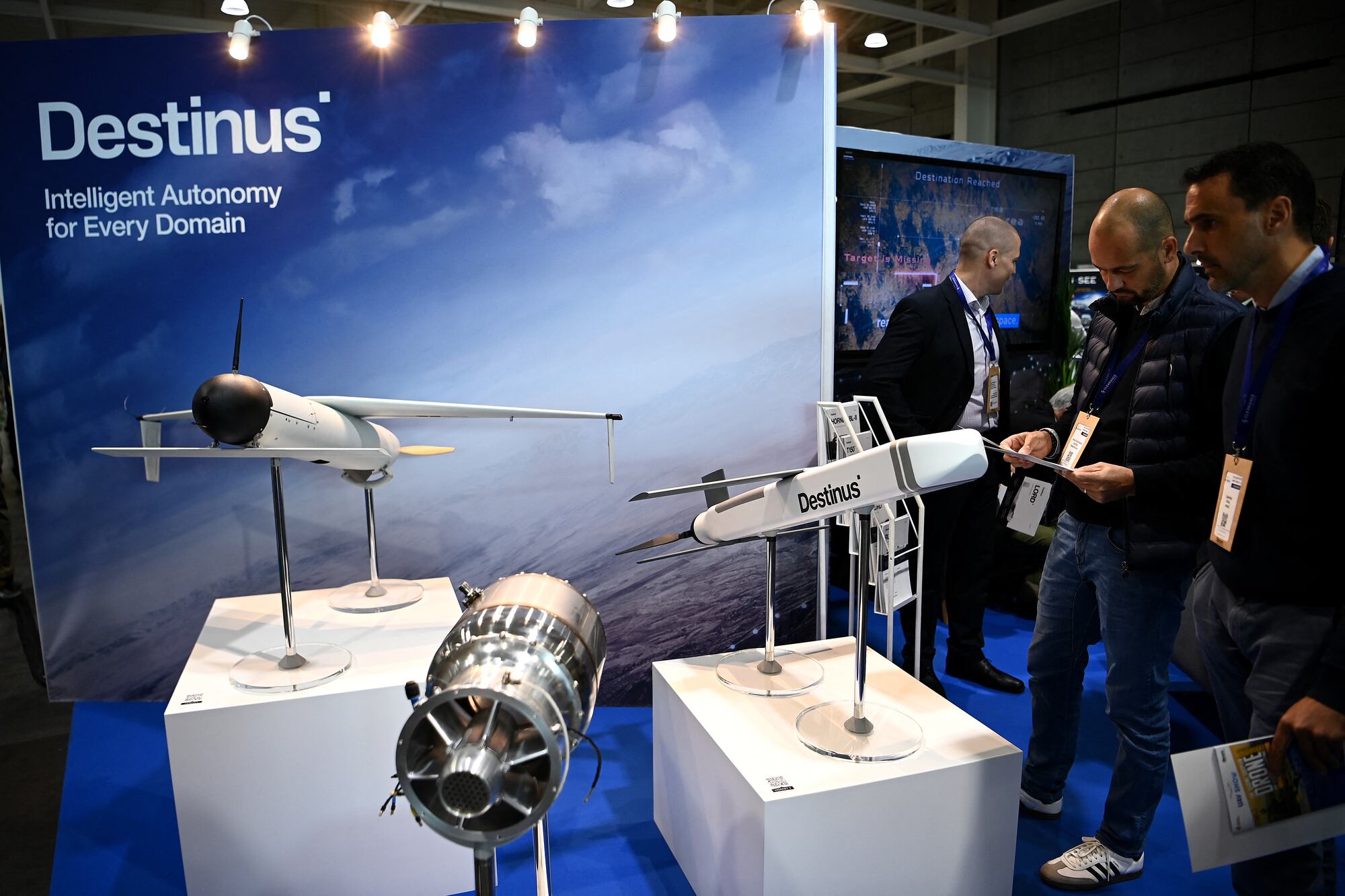
The Royal Netherlands Navy plans to integrate kinetic drone interceptors on several warships under a program targeted for completion in the second quarter of 2027.
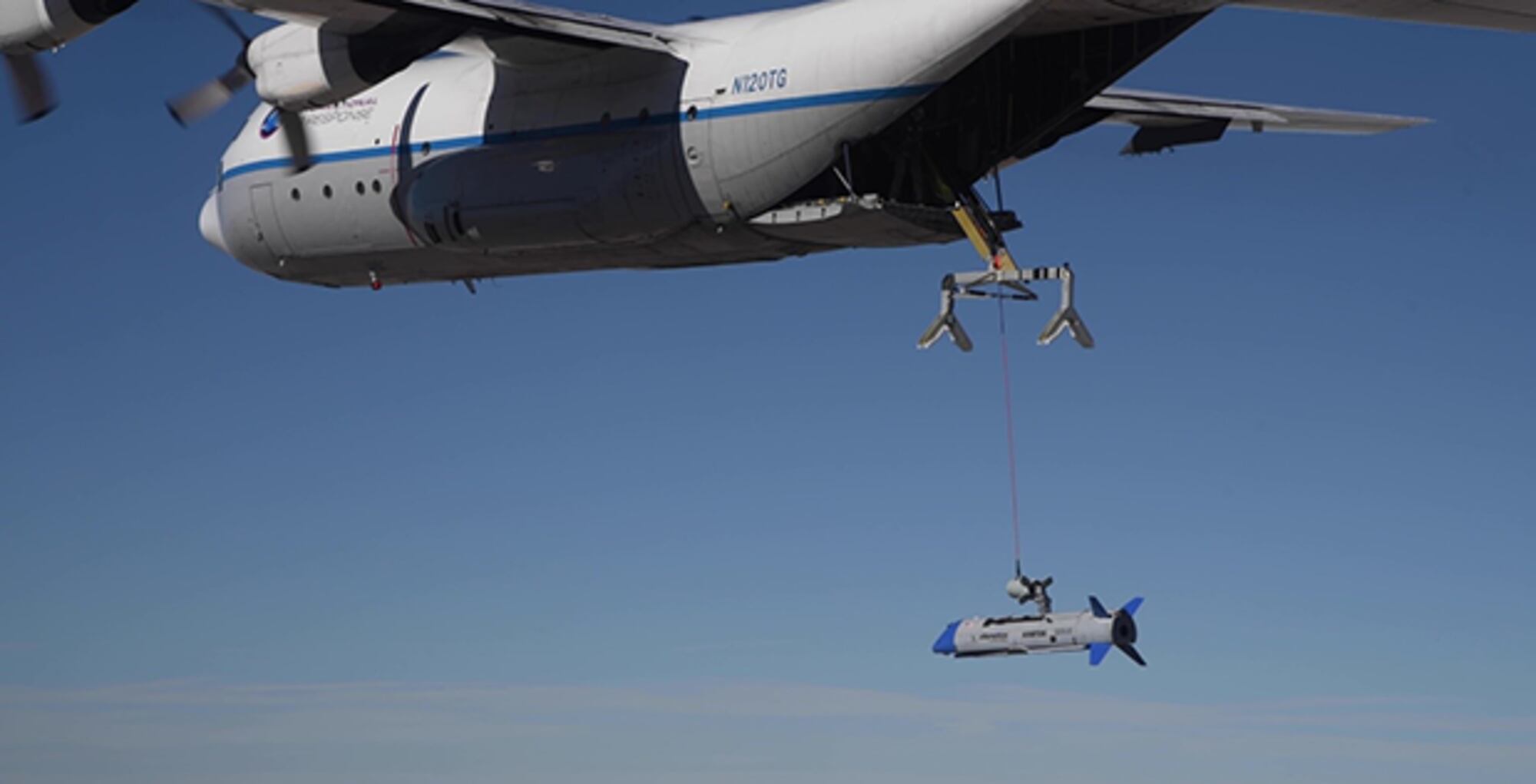
An SBIR Phase II solicitation calls for AI-controlled uncrewed swarms that could deploy from mobility aircraft and establish autonomous perimeter monitoring networks.