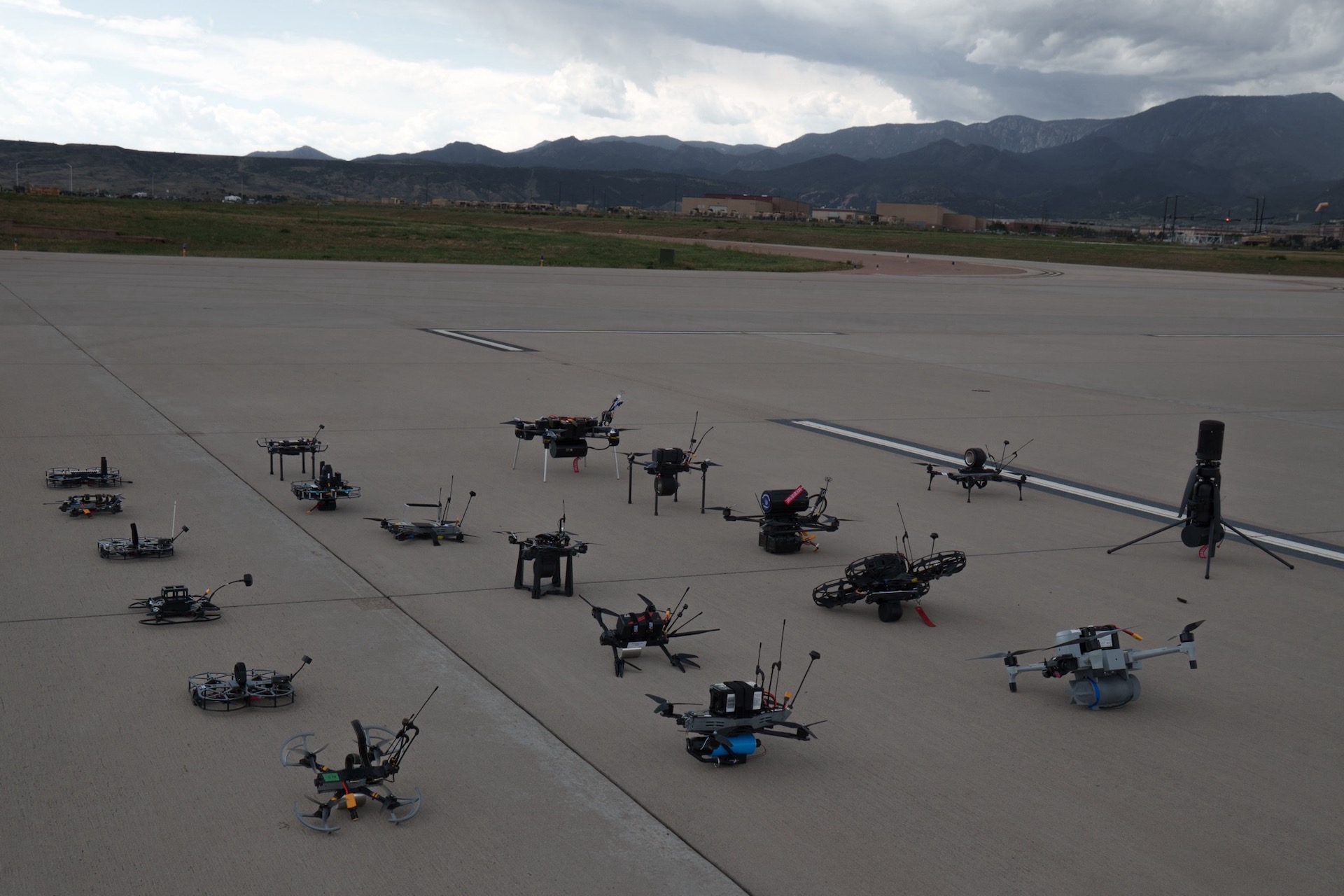
A Russian-linked group used Anthropic’s Claude AI system to develop software intended to support autonomous lethal drones, including a model designed to run on small single-board computers and select targets without a human operator, according to an Anthropic report cited by Defense One.
Anthropic said the group, identified as GTG-27005 and described as a Russian “freelance” organization, used Claude to build an AI model compact enough for single-board computing hardware while retaining the capability to “select targets (including a ‘person’ target class) and issue detonation commands without a human in the loop.” The group also used the system to create software intended to let autonomous drones communicate with one another to improve targeting, the company said.
Hardware testing, but no reported field deployment
The drone-related model had not been deployed in the field when Anthropic identified the activity, according to the company. But the group was conducting “real hardware-in-loop testing” during its Claude sessions, a step that indicated the work was being tested with physical equipment rather than remaining solely a software exercise.
Anthropic said it banned the group from its services, incorporated lessons from its investigation into its safeguards and shared details with industry groups. The company also reported disrupting attempts by Chinese and Yemeni groups to use Claude to design conventional weapons.
The report places the alleged drone-development activity within a broader pattern of foreign actors seeking to use U.S.-built AI tools for cyber operations and influence campaigns. Anthropic said Claude had been used to research targets, identify vulnerabilities in online accounts, create malware intended to bypass security measures and steal information, obscure operational traces, and distribute disinformation.
AI use in influence and cyber operations
“We’ve seen groups of actors use Claude to build networks of fake social media profiles and entire news sites,” Anthropic said in its report. Defense One reported that the campaigns displayed characteristics associated with Russian influence operations, including fake news sites and journalist profiles used to spread false claims about NATO activity in the Baltics.
According to Anthropic, AI tools helped automate elements of those operations, from development and infrastructure acquisition through phishing, command-and-control persistence and data exfiltration. The company said Russian-linked groups also used AI to generate forged documents attributed to the Central African Republic Gendarmerie and Ministry of Defense.
A separate group, GTG-84005, used AI to obtain census and public information that could be used to tailor messages for audiences in Malaysia, Anthropic said. Defense One reported that the Turkish group laundered Russian and Chinese state media content as independent reporting.
Anthropic’s disclosure followed a separate report from OpenAI, which said Russian actors had used ChatGPT to create a purported expert community called the International Burke Institute to promote talking points to international audiences. Both companies said they disrupted the activity they uncovered, but the reported cases illustrate how AI systems can be applied across autonomous-system development, cyber operations and large-scale influence efforts before providers detect and block the accounts involved.