Russia has begun building underground production space for Shahed and Geran attack drones at the Alabuga industrial zone in Tatarstan, according to Ukrainian open-source intelligence analyst Dnipro Osint. The analyst estimated that about 42,000 square metres of below-ground area had already been constructed at the site.
The reported construction is located at 55.808719°, 52.026664°, within the broader Alabuga Special Economic Zone near Yelabuga, Dnipro Osint said. The complex is about 1,200 kilometres, or 750 miles, from the Ukrainian border. While the analyst’s assessment places substantial underground work at the location, the specific claim has not been independently confirmed by separate satellite-imagery analysis.
Dnipro Osint said the apparent move below ground followed earlier Ukrainian strikes on Alabuga and that Russia has expanded the underground infrastructure quickly since then. The reporting does not independently establish the size, layout or production role of the alleged subterranean facilities, but the claim comes amid documented above-ground growth across the industrial zone.
Production complex expands above ground
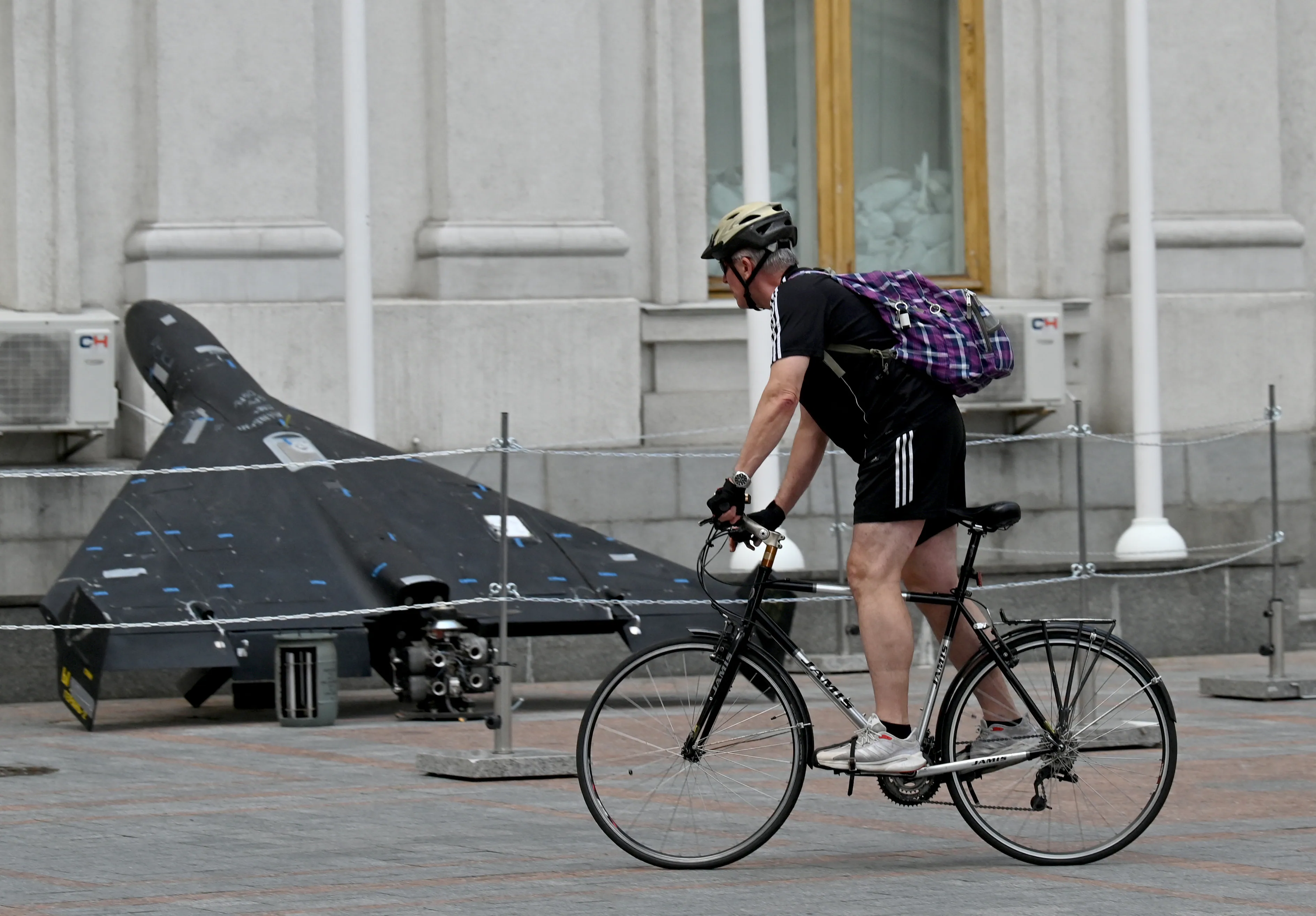
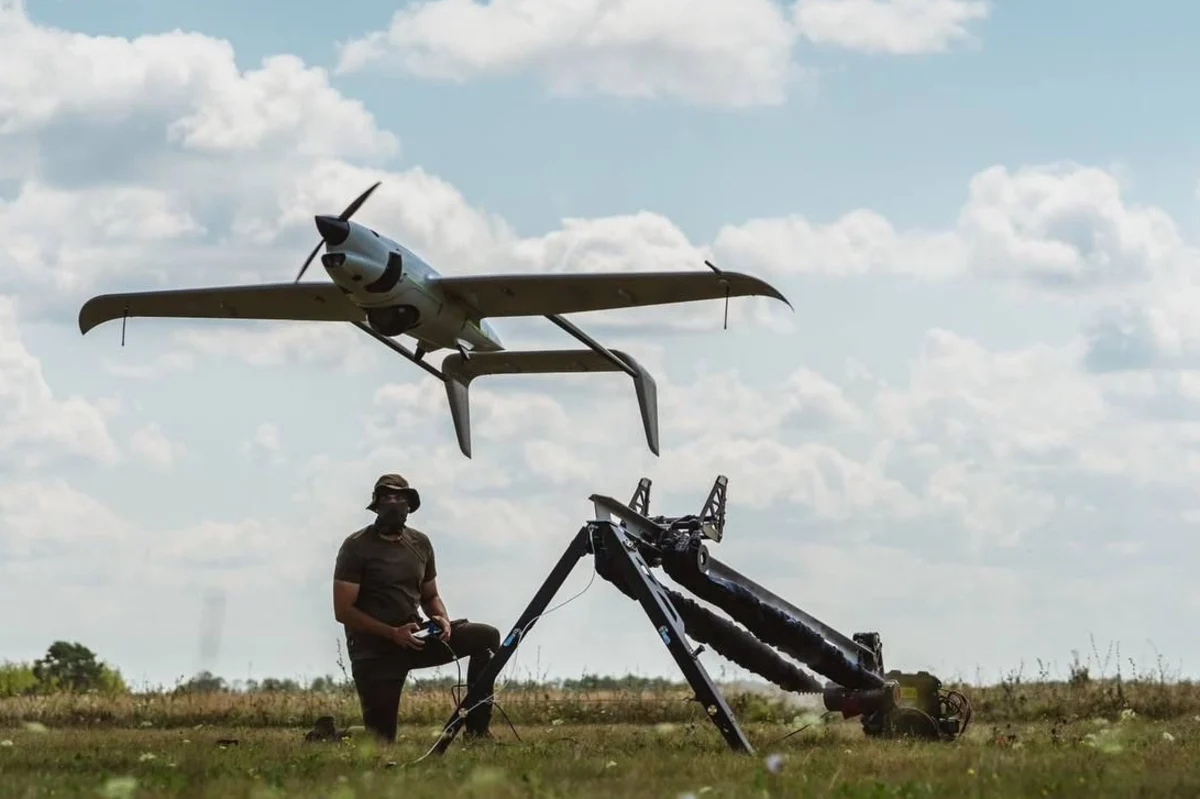
Alabuga is Russia’s primary production site for the Geran-2, described as a Russian-built version of Iran’s Shahed-136 one-way attack drone. Russian forces launch the drones at Ukrainian cities on a near-nightly basis, according to the source material. The reported underground effort would therefore form part of a broader expansion of a facility central to Russia’s attack-drone output.
Satellite imagery cited by Radio Liberty showed that the zone’s footprint expanded by 340 hectares between May 2025 and May 2026. The expansion included new hangars, dormitories for foreign workers and a construction area of roughly 450 hectares south of the M-12 highway. The additions indicate that growth at Alabuga has extended beyond individual production buildings to a wider development area within and around the site.
Ukrainian analysts also reported on Sept. 14 that five additional production halls had been erected in the southern part of the complex. That assessment was based on satellite images similarly sourced from Dnipro Osint. Together with the Radio Liberty-cited imagery, the report points to a continuing buildout of production and supporting infrastructure, separate from the unverified assessment of 42,000 square metres of underground space.
Lattice-tower defenses added around production buildings
Russia has also added physical protection around the plant. Satellite images from July and August analyzed by Spencer Faragasso of the Institute for Science and International Security showed a two-ring system of lattice towers under construction around Alabuga’s production buildings. The arrangement is intended to complicate future drone or missile strikes on the facility, according to the analysis cited in the report.
Dnipro Osint assessed that the combined effect of underground construction, dispersed production buildings and added physical defenses is making Russia’s drone-manufacturing base progressively harder and more expensive to target. That conclusion remains the analyst’s assessment, and the reported underground component remains unconfirmed through an independent imagery review. The satellite-based reporting on new halls, wider expansion and the tower system nevertheless indicates continuing changes to the site’s physical footprint and protection measures.
Foreign-labor recruitment draws sanctions
The facility relies heavily on foreign labor recruited through Alabuga Polytechnic College and other channels, according to the source material. In May 2026, the United Kingdom sanctioned 35 entities and individuals over recruitment connected to the facility. The site is also subject to separate sanctions imposed by the United States and the European Union.