U.S. military formations must prepare to operate under persistent surveillance and electronic attack as autonomous systems, artificial intelligence and cyber capabilities reshape the character of war, Joint Chiefs Chairman Gen. Dan Caine said Wednesday. Speaking at the Air & Space Forces Association’s 2026 Air, Space & Cyber Conference, Caine argued that the joint force must demonstrate its readiness before a conflict begins rather than attempting to adapt after hostilities start.
“We have to assume from now on that our formations will be hunted by autonomous systems, jammed across the spectrum and tracked in real time,” Caine said.
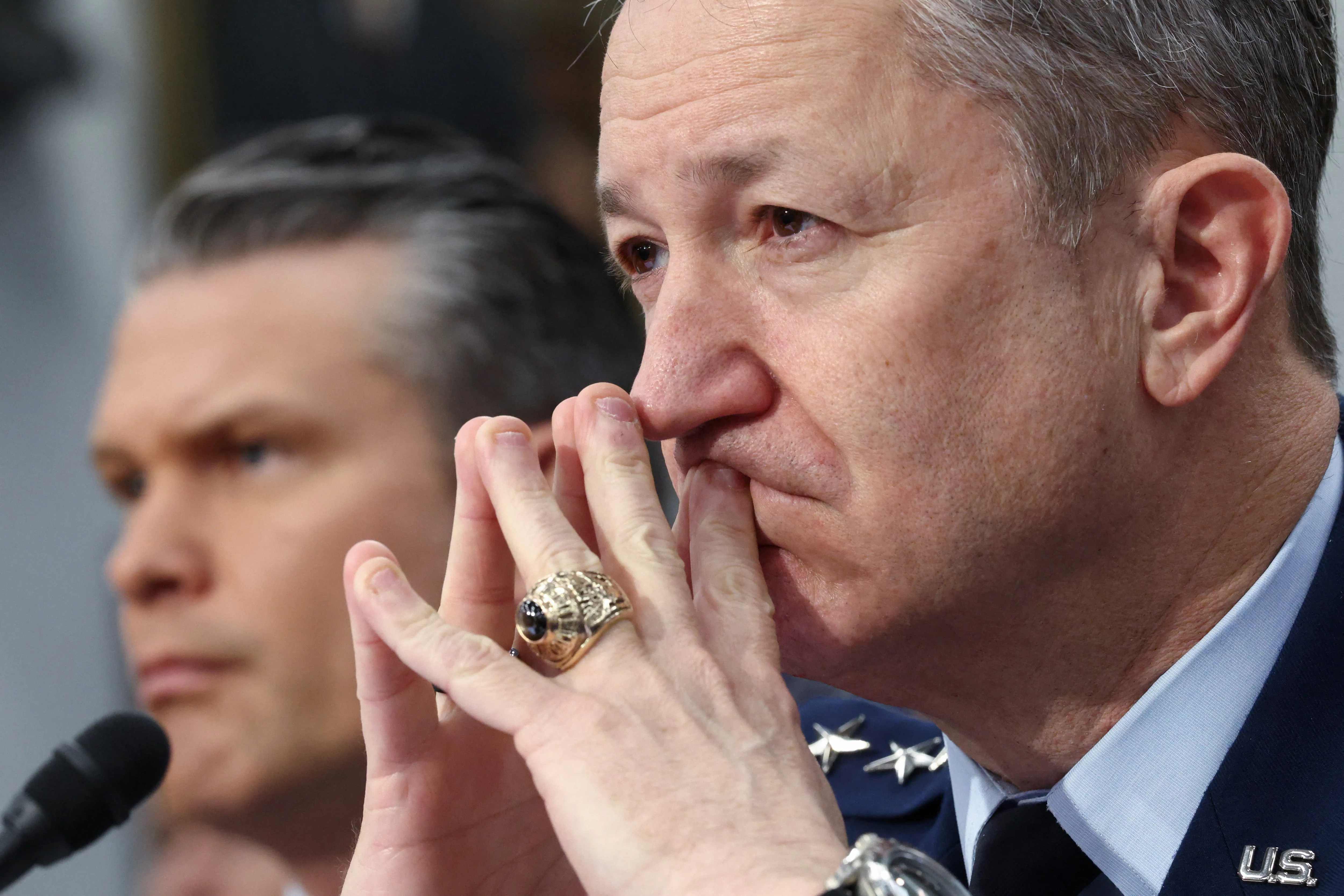
Gen. Dan Caine
Caine said the force needs to be “clear-eyed” about an operating environment in which future conflicts will be increasingly contested and less susceptible to simple solutions. He called for the military to transition toward a force able to generate and deliver lethality at scale through an agile, optimized “high-low mix” of combat capabilities, giving members of the 2.8 million-person all-volunteer joint force the tools they need before they are required in combat.
Connected adversaries, contested operations
Although U.S. adversaries may be geographically separated, Caine said they are increasingly connected through the exchange of technology, intelligence, weapons and economic support. That interconnectedness, he said, adds urgency to efforts by the military services to study past and current battlefields and identify ways to challenge an opponent’s advantage before a crisis emerges.
He pointed to the deepening military relationship between Russia and Iran as an example of a technological feedback loop shaped by the war in Ukraine and conflict in the Middle East. Russia has provided Iran upgraded munitions, satellite imagery and targeting data that have been used against U.S. forces in the Middle East, according to the source material. Iran, meanwhile, supplied Russia with Shahed attack drones beginning in 2022 and later arranged for the Iranian-designed systems to be built in Russia under license.
The chairman described a battlespace extending from the seabed to cislunar space, where the advantage will belong to the side that can see, understand, decide and act first. Achieving that advantage, he said, requires the force to function as a learning organization capable of adapting as technologies, networks and software change.
Autonomy’s immediate battlefield role
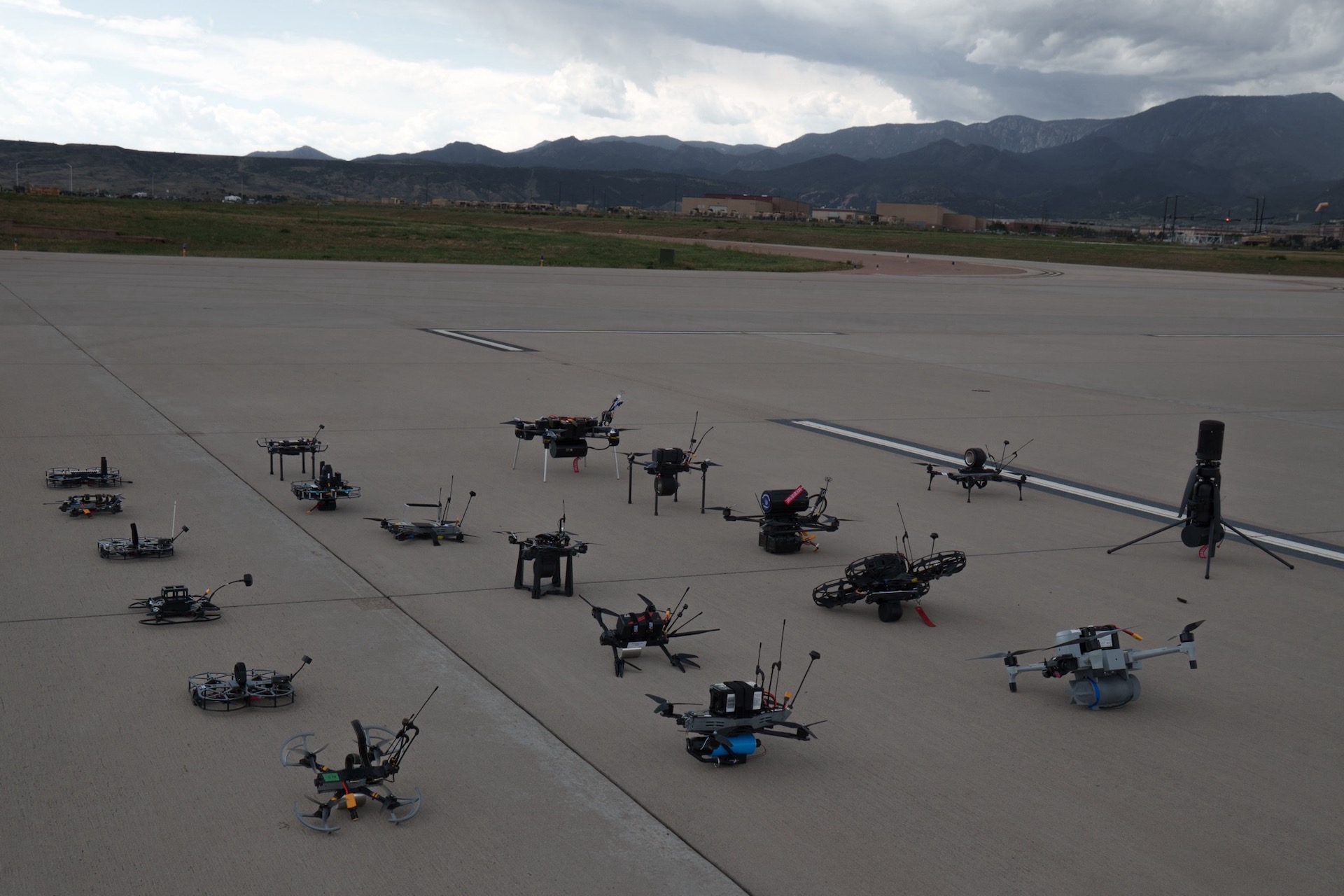
Caine cited the June rescue of two Army soldiers using a remotely piloted Navy unmanned surface system as an illustration of how the military is adapting and employing AI-enabled and autonomous tools. He also referenced first-person-view drones operating in contested electromagnetic-interference conditions such as those seen in Ukraine, where unmanned systems are changing both battlefield methods and the threats forces must confront.
“Take it together, these examples from the Strait of Hormuz to the front lines in Ukraine show how quickly technology is changing the character of war,” he said.
Gen. Dan Caine
Caine said the implications extend beyond acquiring autonomous platforms or improving networks. Young service leaders will be responsible for operating in these environments, he said, and will need to remain adaptive while processing a wealth of information. Technology can improve autonomy and connectivity, but trusted leaders able to operate under pressure remain indispensable, he said.
The chairman framed readiness as a matter of time as well as capability. “The character of war is changing, and time is of the essence,” Caine said. He warned that the opportunity to build the force required for those conditions is narrowing, saying the military can procure many things but cannot purchase time.