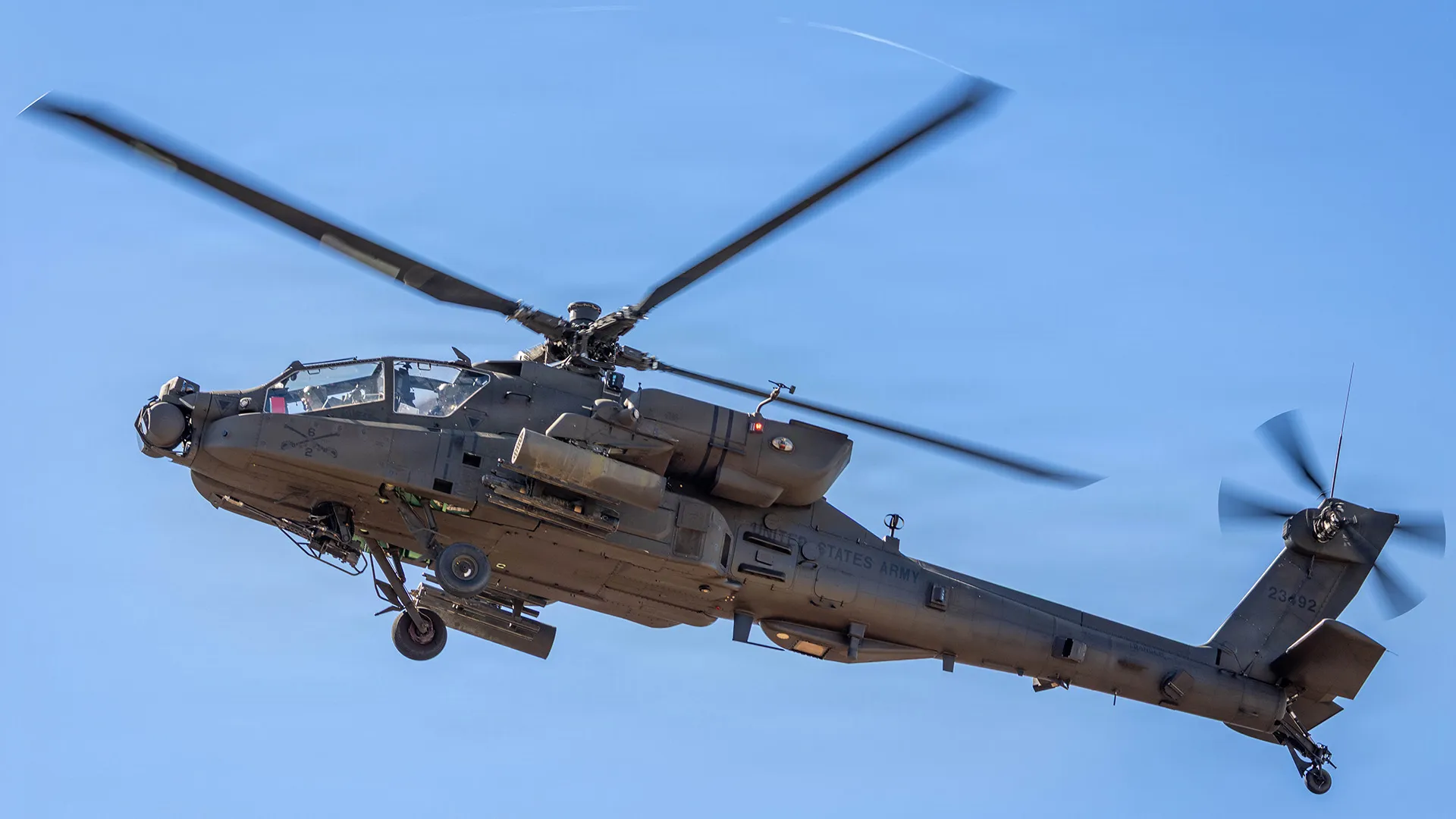
A U.S. Navy unmanned surface vessel took part in the June recovery of two U.S. Army AH-64 Apache crew members after their helicopter was shot down by an Iranian drone near Oman, according to Joint Chiefs of Staff Chairman Air Force Gen. Dan Caine. The operation marked the first known use of an uncrewed surface vessel in a military personnel-recovery action, as described by Caine during a keynote address at the Air & Space Forces Association’s Air, Space and Cyber Conference.
Caine used the June 8 rescue as one of two examples of how artificial intelligence, autonomy and networked systems are changing military operations. He said the speed at which information moves has compressed leader decision times from weeks to days and, in some cases, seconds.
“AI is here now, and it’s already changing the way militaries see, sense, decide, and act across the joint force.”
Gen. Dan Caine, chairman of the Joint Chiefs of Staff
Unmanned vessel in the rescue effort
After the Apache went down, U.S. Central Command launched what Caine called a rapid, responsive joint search-and-rescue effort. The response drew on the wider joint force and ultimately required “enabled unmanned vessels” to participate in recovering the downed service members, he said. CENTCOM had previously identified the platform involved as a U.S. Navy Corsair unmanned surface vessel.
Neither Caine’s remarks nor CENTCOM’s earlier identification of the Corsair detailed the vessel’s specific actions during the recovery. But Caine presented the mission as the result of years of work by Task Force 59, CENTCOM’s unmanned joint maritime unit, which has tested, integrated and operationalized unmanned systems and AI in the region.
“What made this possible was a bunch of entrepreneurial sailors and members of the joint force on watch floors, at piers, managing networks of unmanned systems across thousands of miles of water, and using AI to turn massive amounts of data into a crisp, clear, perfect maritime picture that allowed us to go grab those two soldiers in the water.”
Gen. Dan Caine, chairman of the Joint Chiefs of Staff
The chairman’s description emphasizes an operational model in which unmanned platforms are tied to personnel operating watch floors, piers and networks rather than acting as stand-alone assets. In this case, he said, AI helped process large volumes of information into a maritime picture that supported the effort to recover the two soldiers from the water.
Autonomy changes threats as well as operations
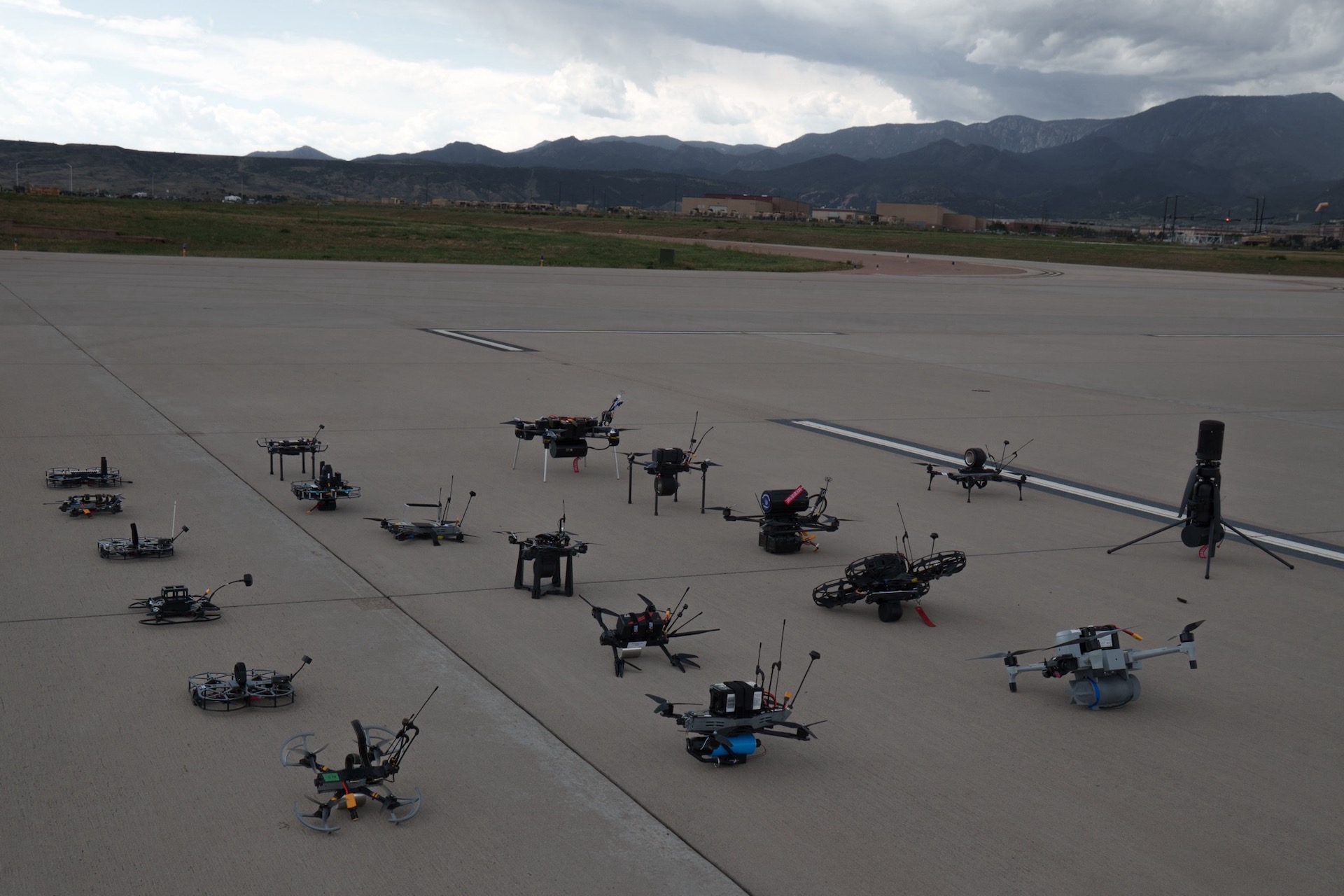
Caine’s second example focused on Ukraine, where he said first-person-view drones are operating in heavily contested electromagnetic-interference environments. Some are using AI-enabled computer vision to continue moving toward targets when GPS is unavailable or their control links have been cut, he said. The capability gives small units affordable precision and illustrates how rapidly software and autonomy can alter tactical possibilities.
“The price of lethal exchange is decreasing day over day.”
Gen. Dan Caine, chairman of the Joint Chiefs of Staff
Caine said the examples—from the Strait of Hormuz to Ukraine’s front lines—show that the joint force must both prepare for conflicts shaped by these technologies and field capabilities at scale. He said U.S. formations should assume they will be hunted by autonomous systems, jammed across the electromagnetic spectrum and tracked in real time. His prescription was an agile, optimized “high-low mix” of combat capabilities intended to provide service members the tools they need before they need them.