U.S. military commands in the Middle East are increasingly using unmanned systems for missions ranging from personnel recovery to attacks on Iranian naval infrastructure, as the Navy and U.S. Central Command develop new organizations and operating concepts for aerial, surface and underwater platforms.
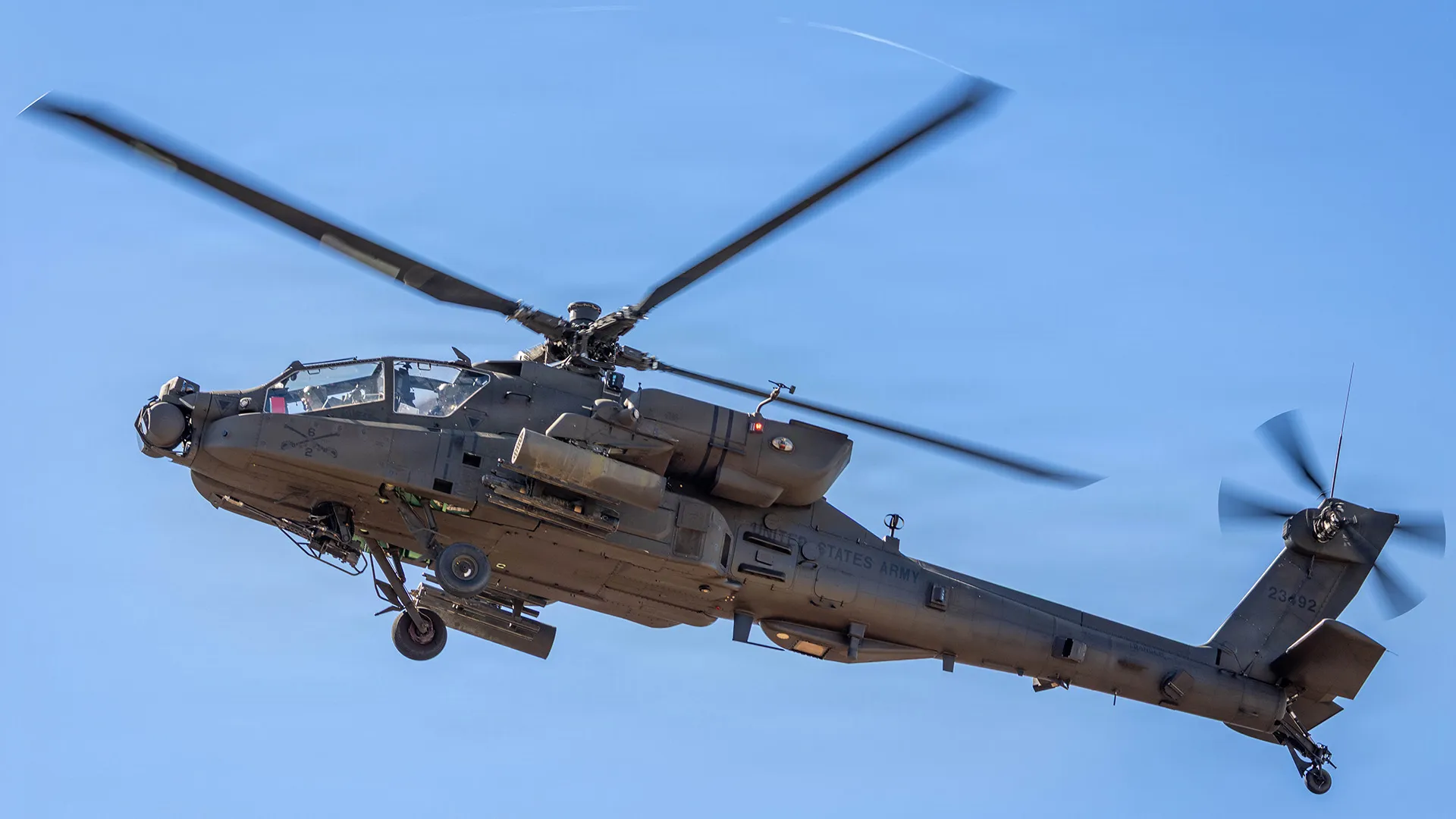
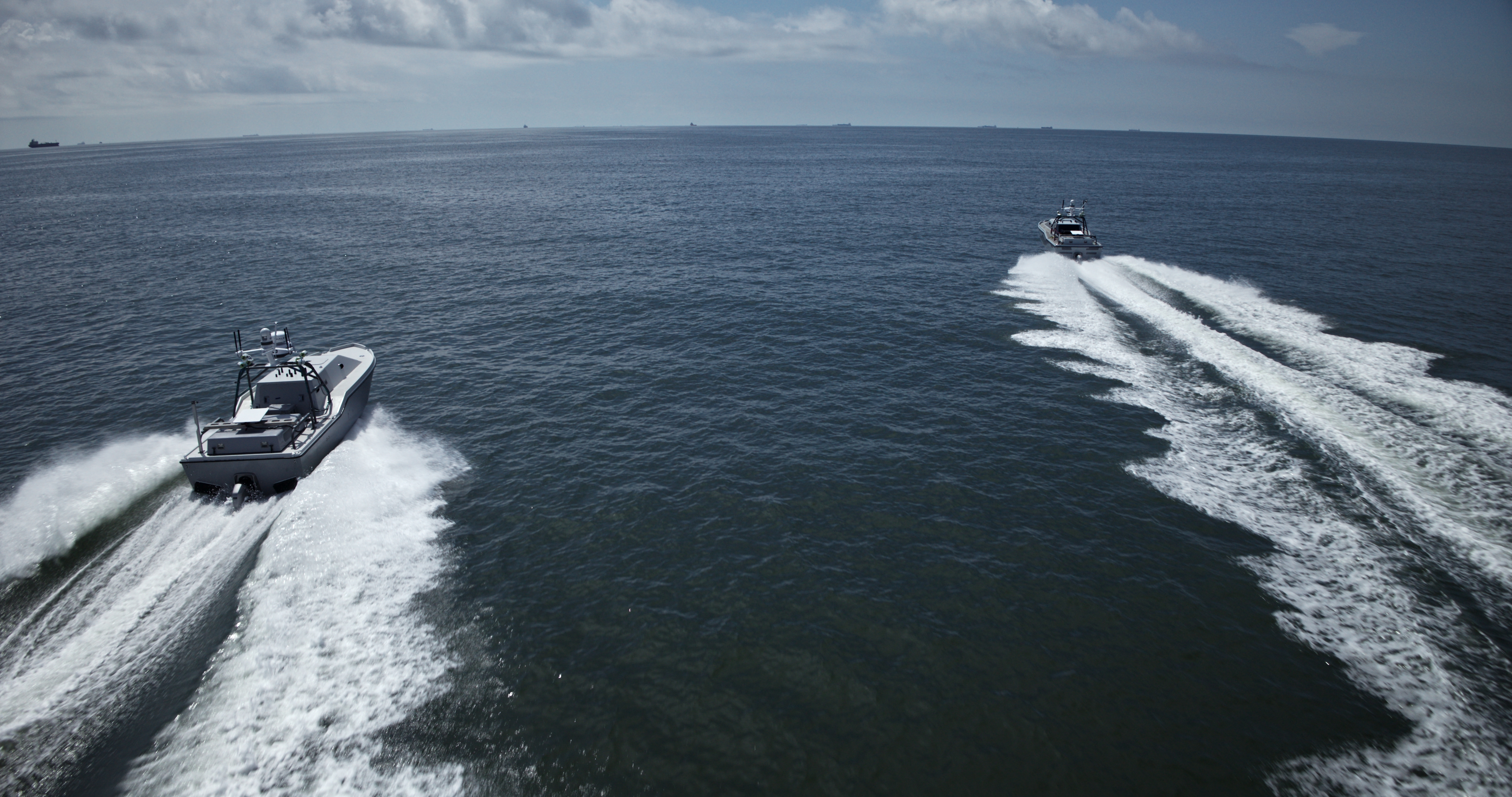
A U.S. Navy Corsair unmanned surface vessel operated by 5th Fleet’s Task Force 59 helped recover two U.S. service members after a U.S. Army helicopter went down near the Strait of Hormuz in June, according to Military Times. The operation was followed a month later by the use of three Corsairs in strikes on a submarine and ship maintenance facility at Iran’s Bandar Abbas naval base. CENTCOM described that attack as the first American combat use of sea drones.
The two missions illustrate the range of tasks now being assigned to unmanned platforms in an active conflict. A U.S. official told Military Times that American forces are operating systems on, above and below the sea in support of military objectives, and said their use has been particularly effective in reducing risks to U.S. personnel.
From maritime awareness to combat formations
Task Force 59 was established by the Navy in 2021 to speed the incorporation of unmanned systems and artificial intelligence into Middle East operations. Its initial role centered on expanding maritime awareness and integrating uncrewed platforms with crewed ships and aircraft.
During a 2022 exercise, unmanned vessels identified training targets and transmitted information to shore-based command centers. The Navy said the added sensors could help crewed ships reach a response position more quickly. By 2024, the service had formed Task Group 59.1 to focus on operational deployment of unmanned systems working alongside manned operators. Under its previous commander, Task Force 59 personnel took part in more than 30 exercises and operations, the Navy said.
The Navy’s February 2026 Fighting Instructions assign specific military roles to uncrewed systems. Chief of Naval Operations Adm. Daryl Caudle said medium unmanned surface vessels are intended for scouting, screening and strike missions. The guidance identifies unmanned underwater vehicles for water-space denial, survey work and mine warfare, and calls for attritable, readily replenished unmanned surface vessels as part of fleet force design.
CENTCOM’s effort is moving in parallel, with a more explicitly combat-focused structure. In December 2025, the command formed Task Force Scorpion Strike, described as the military’s first dedicated one-way attack-drone squadron in the Middle East. The task force used low-cost one-way attack drones during Operation Epic Fury, while CENTCOM also employed unmanned attack vessels in July strikes on Iranian port facilities, according to the command.
In August, CENTCOM announced plans for Task Force Falcon Strike, a multinational and multidomain attack-drone task force. CENTCOM said the formation will employ one-way attack drones operating above, on and below the sea, and is intended to expand attack-drone capabilities across the Middle East with regional partners.
Autonomy, cost and operational risk
The Fighting Instructions also describe a force in which crewed and uncrewed units may operate with different degrees of independence. Caudle said the Navy plans to use “Delegated Autonomy Levels” to establish what an individual crewed or uncrewed unit can do without direction from higher headquarters. Those levels would depend partly on a platform’s ability to detect conditions in the battlespace, determine what information matters and produce effects independently.
Combat employment places additional demands on those systems. They must sustain communications, remain operational over extended periods, navigate contested waters and continue to provide military value when an adversary is attempting to disrupt or interfere with them. Their performance is therefore being tested beyond exercises, under direct opposition in real time.
Joshua Tallis, director of Ally and Partner Security Affairs at the Center for Naval Analyses, said real-world employment gives the Navy an unusually valuable opportunity to improve how it commands, deploys, employs and sustains robotic systems. But he cautioned against treating public examples from the conflict as proof of a settled model for future warfare, describing them instead as an iterative learning process.
Cost remains one unresolved issue. Tallis said open-source estimates place the price of a Corsair at roughly $1.1 million, raising questions over how the military should define platforms described as attritable, consumable or expendable. While many uncrewed systems cost less than crewed platforms, Tallis said they are not inherently inexpensive.
Contested waters expose vulnerabilities
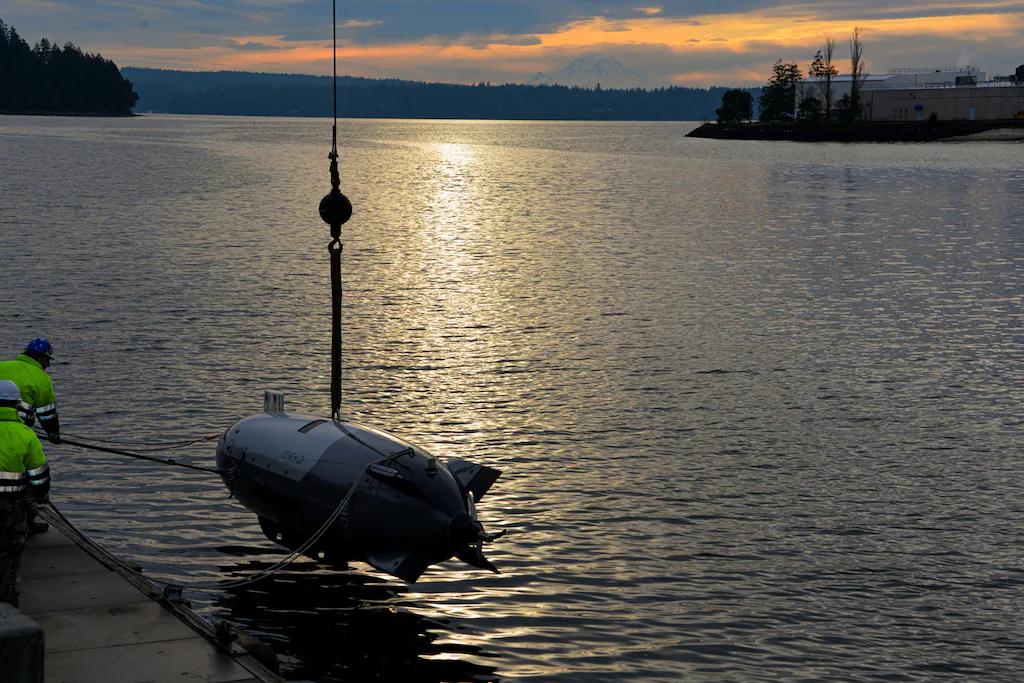
Recent events have also highlighted the vulnerability of unmanned systems operating in contested regional waters. In September, Iran said it captured an Anduril Dive-LD autonomous underwater vehicle after it malfunctioned while surveying regional waters. CENTCOM said the vehicle was an older model and had neither collected sensitive data nor carried classified sonar or radar equipment.
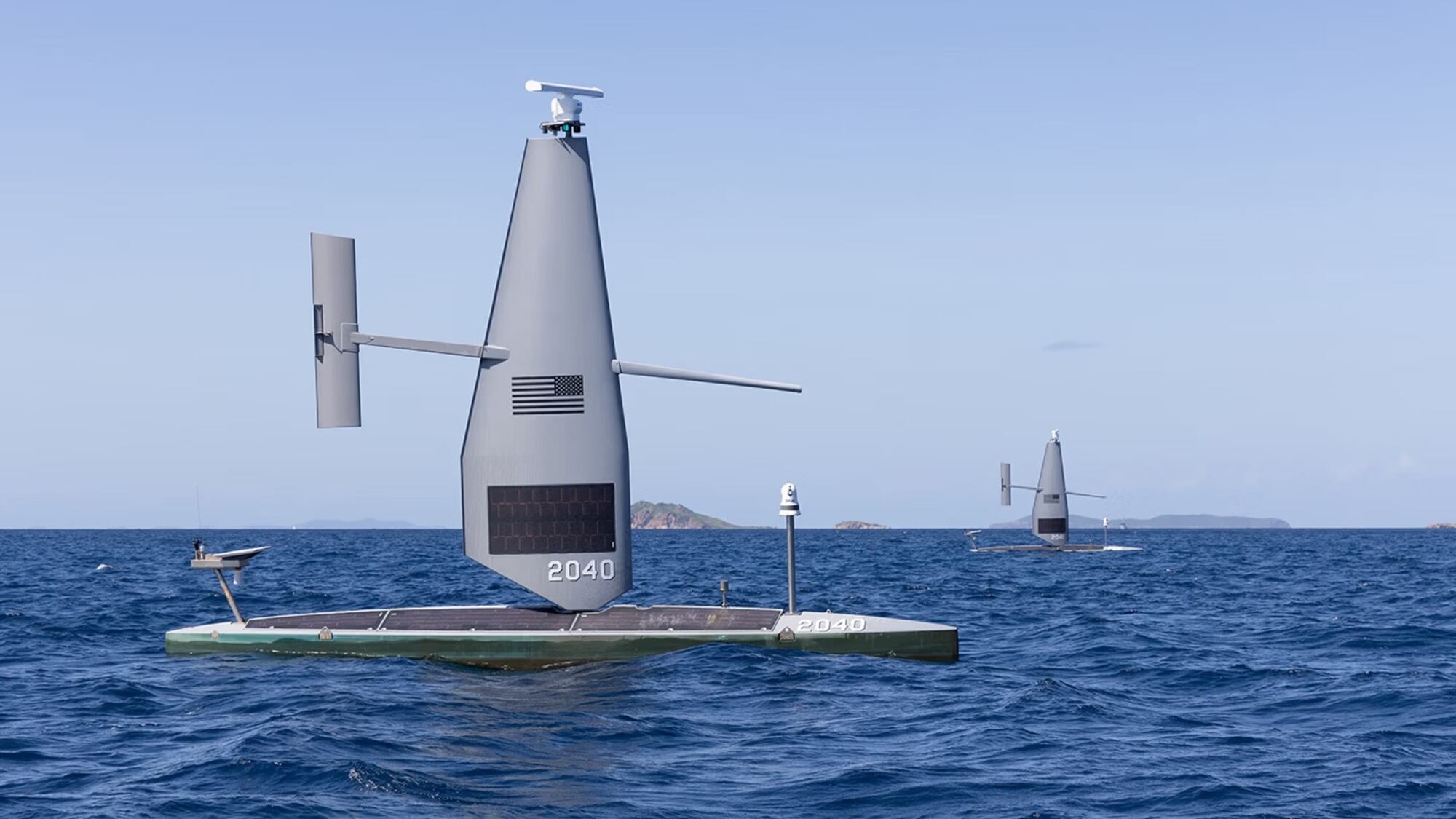
CENTCOM also said that two Iranian boats attempted to take possession of a U.S. Saildrone unmanned surface vessel in the Strait of Hormuz. U.S. forces destroyed the boats, according to the command.
For Tallis, a central unresolved issue is how much risk the military should accept in deploying uncrewed systems and how commanders should decide when a platform has delivered sufficient value to justify its loss. He said unmanned platforms remain particularly suited to surveillance, consistent with their long-standing U.S. use, but that available evidence does not yet demonstrate a meaningful shift in the strike role of unmanned surface vessels.
He also noted that search-and-rescue tasks may require unmanned platforms to be distributed across a theater to ensure rapid reaction times, a posture that does not yet appear to be widely fielded. The recovery mission near the Strait of Hormuz and the Bandar Abbas strikes nevertheless show that U.S. commands are already applying sea drones to both support and combat missions as they refine the operational role of uncrewed systems.