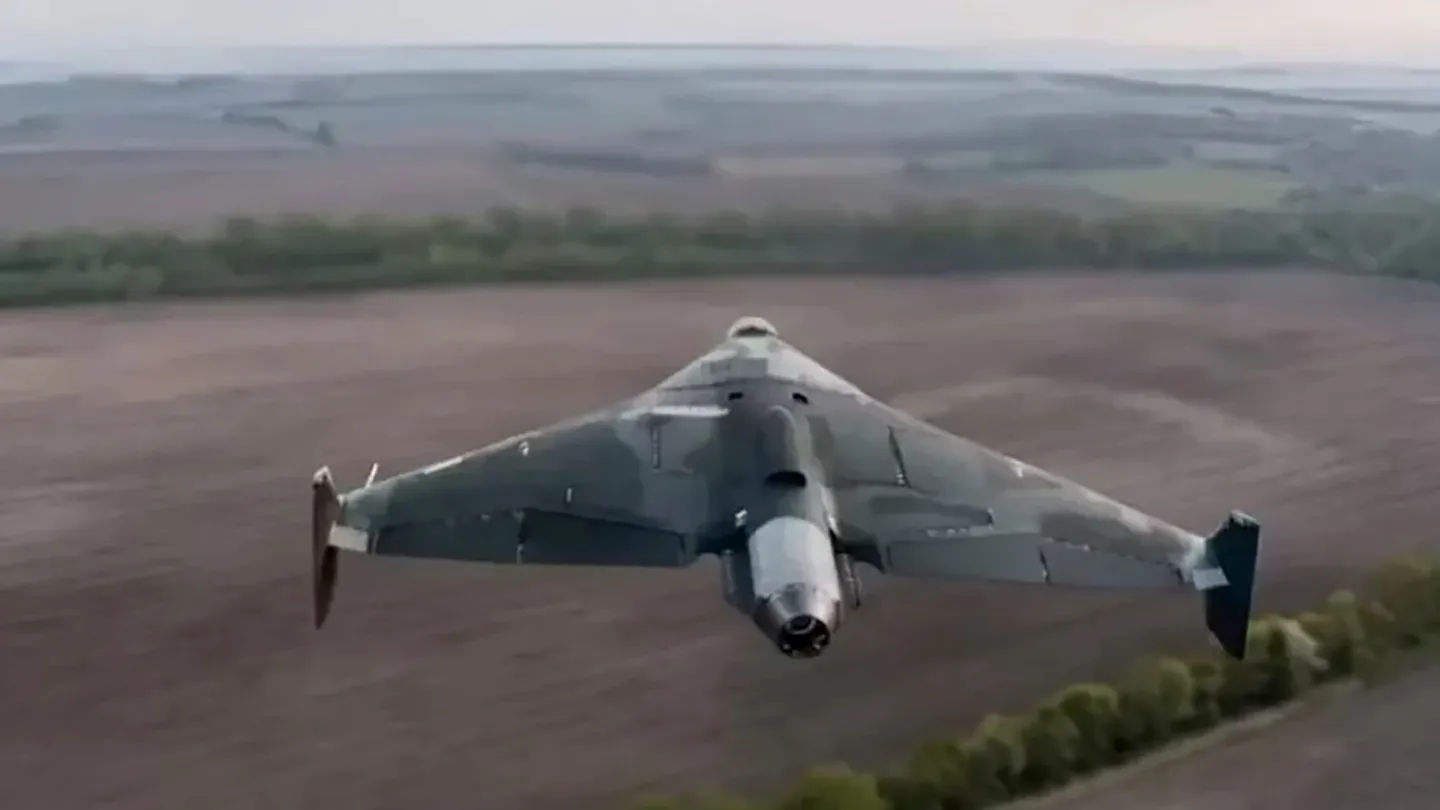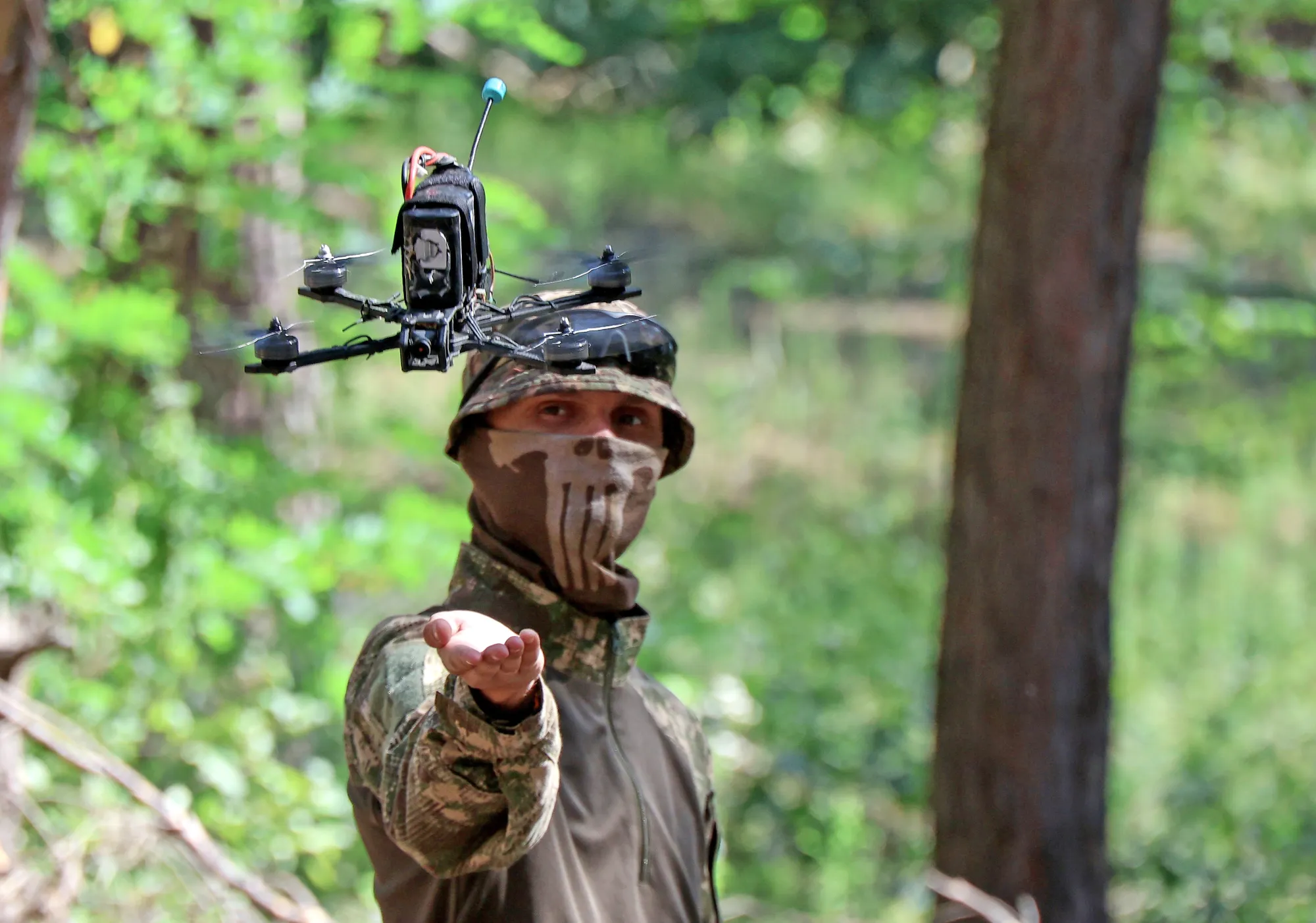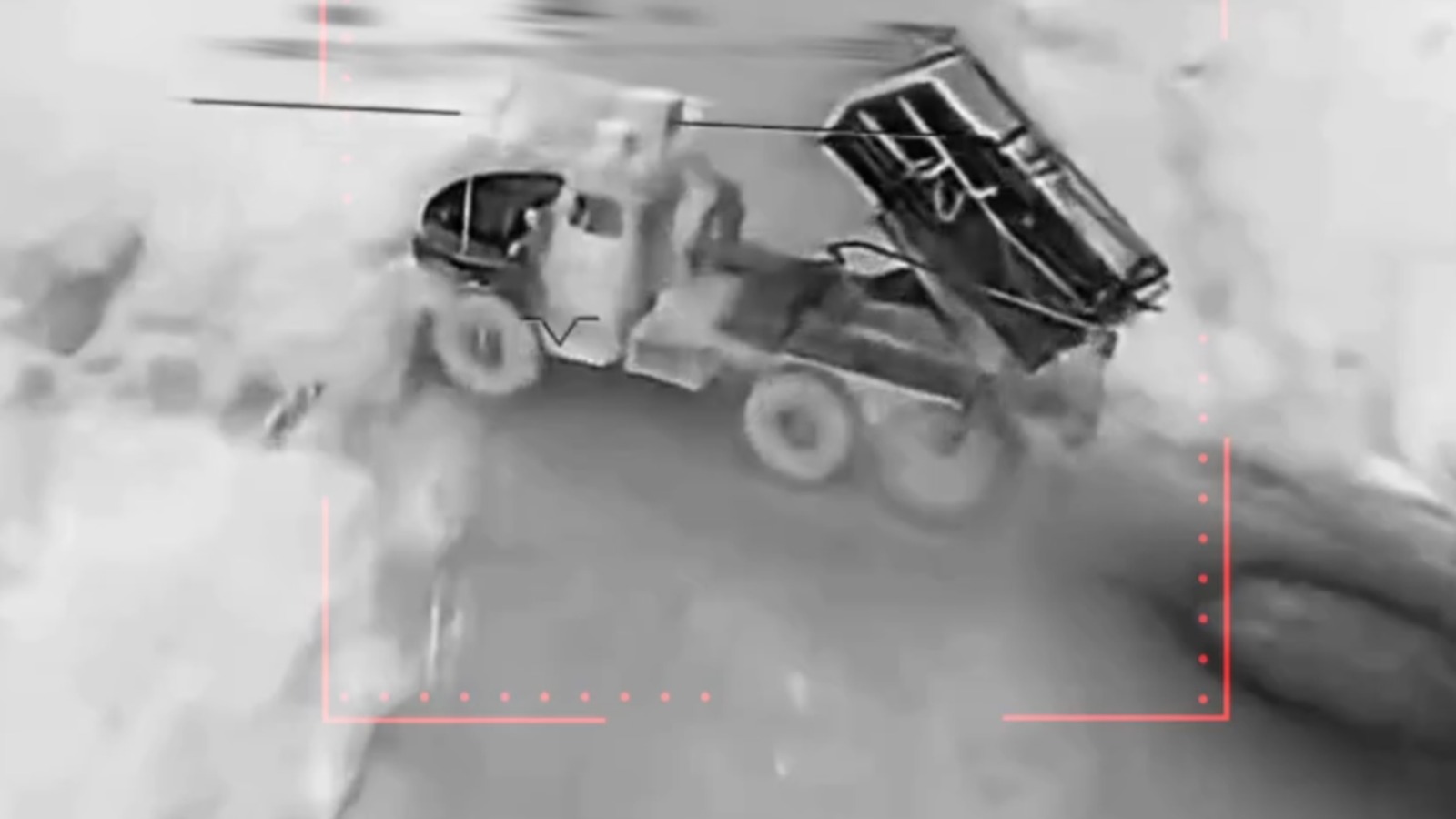
Ukrainian airborne troops used strike drones to intercept two Russian BM-21 Grad multiple rocket launchers near Huliaipole, according to Ukraine’s 7th Rapid Response Corps of the Air Assault Forces. The launchers were targeted along the Huliaipole–Pology highway, which Russian forces have been attempting to use as a logistical route approximately 15 kilometers from the front line.
The strikes were carried out by the 237th Unmanned Systems Battalion. The unit engaged one Grad on the outskirts of Huliaipole after the launcher had taken up a combat position for shelling. A second launcher was intercepted while it was moving along the highway toward Huliaipole, the 7th Rapid Response Corps reported.
Launchers targeted before or during movement
The reported sequence illustrates the two circumstances in which the Russian systems were detected: one had already reached a firing position, while the other was still in transit. Both were operating along a route that Russian forces are seeking to use to support activity in the Huliaipole sector.
The 7th Rapid Response Corps did not provide additional technical details about the drones or the precise method used to destroy the launchers. Its report identified the 237th Unmanned Systems Battalion as the unit that deployed the strike drones against the two BM-21 systems.
The analytical resource Oryx, which tracks confirmed cases of Russian equipment destruction, says Russian forces have lost at least 371 Grad launchers. The figure cited in the report covers confirmed losses tracked by Oryx and is separate from the two launchers described in the 7th Rapid Response Corps’ account.
Reduced Russian assault activity
The drone strikes came amid a reduction in the number of Russian assaults in the Huliaipole sector. According to the report, the number of attacks has fallen from between 20 and 30 per day in May through July to approximately 10 per day at present.
Anastasiia Shevchenko, spokesperson for Army Group South, told Ukrinform that Russian forces had abandoned broad-front offensive operations and were instead using small assault groups. She attributed the change in part to Ukrainian surveillance and strikes against Russian personnel and equipment during movement.
The enemy has stopped using heavy equipment because our Unmanned Systems Forces are monitoring its logistics, detecting personnel and equipment in a timely manner, and striking them—for the most part—while they are still on the move.
Anastasiia Shevchenko, spokesperson for Army Group South, as quoted by Ukrinform
Shevchenko said Russian troops nevertheless continue to conduct periodic assaults in the Huliaipole sector. These operations involve small groups supported by armored vehicles, but she said they have not succeeded. More broadly, she described the operational situation in the southern Joint Forces Operation Zone as largely unchanged, with combat intensity remaining low.
Huliaipole remains the most active southern sector
Despite the lower overall intensity, Huliaipole remained the most active sector during the reporting period. Shevchenko said that 13 combat clashes had been recorded over the previous 24 hours, including 10 Russian attempts to advance near Hirkove and toward Kosivtsove, Rizdvyanka, and Charivne.
The spokesperson said there was no reason to expect the nature of fighting in the southern sectors to change in the near future. The reported strikes against the two Grad launchers therefore occurred within a broader pattern of smaller Russian assaults, continued periodic use of armored vehicles, and Ukrainian efforts to monitor logistics routes and engage equipment before or as it reaches the battlefield.
In September, the 225th Assault Regiment was transferred to the operational control of the 7th Rapid Response Corps of the Airborne Assault Forces. The source report did not state whether that transfer was connected to the reported interception of the two Grad launchers.