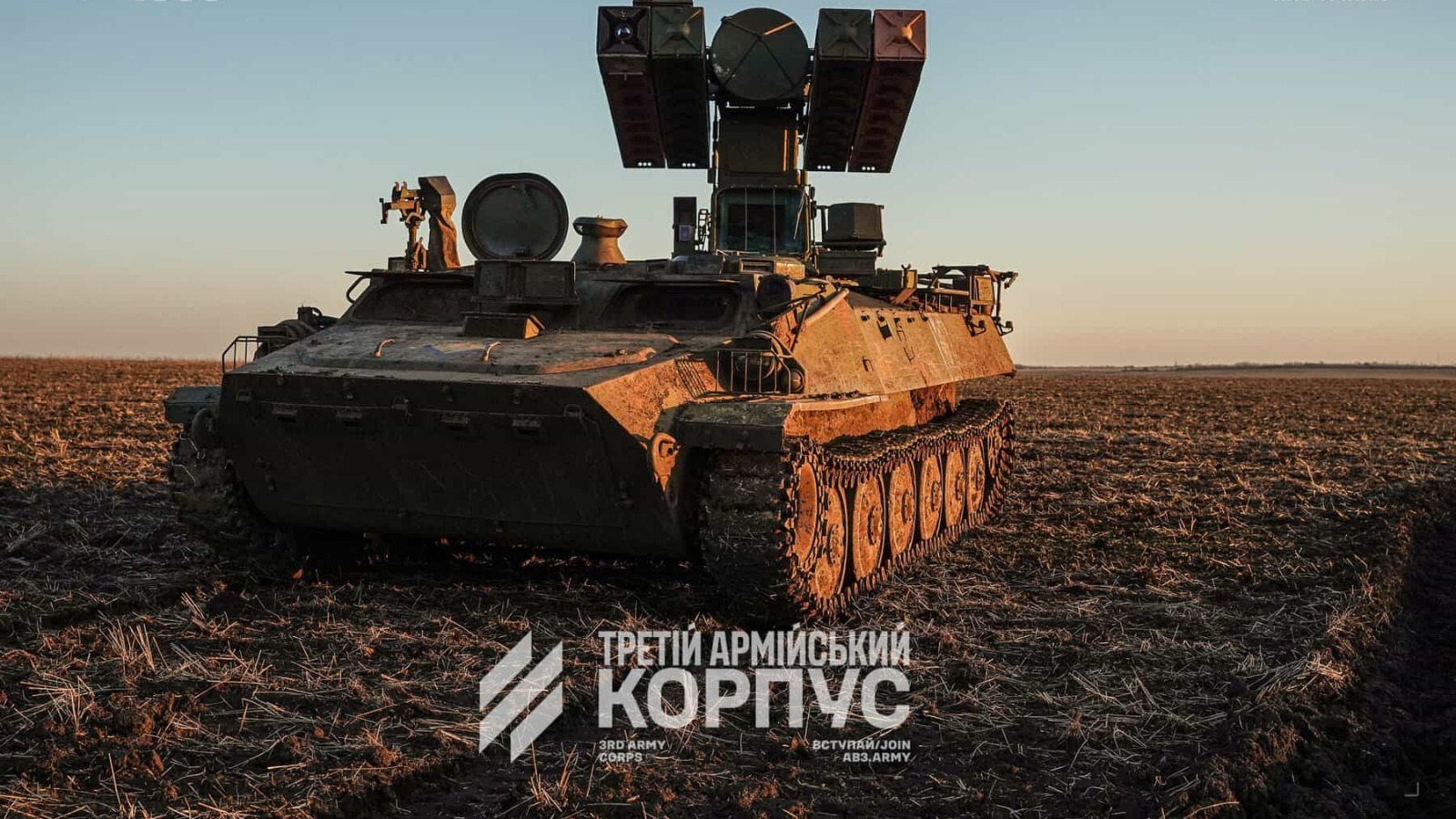
Air-defense units of Ukraine’s 3rd Army Corps say they compelled an almost complete redeployment of Russia’s Rubicon unmanned-systems unit from their sector during an offensive operation, after identifying drone crews and striking the areas from which they were operating.
The account was provided to Militarnyi by the commander of the corps’ air-defense forces and could not be independently verified. The commander said Russian forces had brought additional reconnaissance and strike-drone crews into the corps’ area of operations, with Ukrainian personnel identifying crews from the Rubicon center among the reinforcements.
According to the commander, the corps determined that additional Russian teams had entered the area through both an increased volume of aerial threats and information obtained from other sources. The Ukrainian response was not limited to engaging drones after launch. The corps reinforced its ability to detect air targets and concentrated on locating the positions from which Russian systems were being launched.
Once areas used by Russian crews had been identified, Ukrainian forces struck those locations, the commander said. He attributed the subsequent almost complete movement of the Rubicon unit to another front-line sector to those measures. Regular Russian unmanned units serving with first-echelon forces were also reportedly pushed to move their positions farther into the rear.
Their reconnaissance and strike drones have ceased to be effective.
Commander of the 3rd Army Corps’ air-defense forces, as quoted by Militarnyi
Molniya strike-drone activity rises
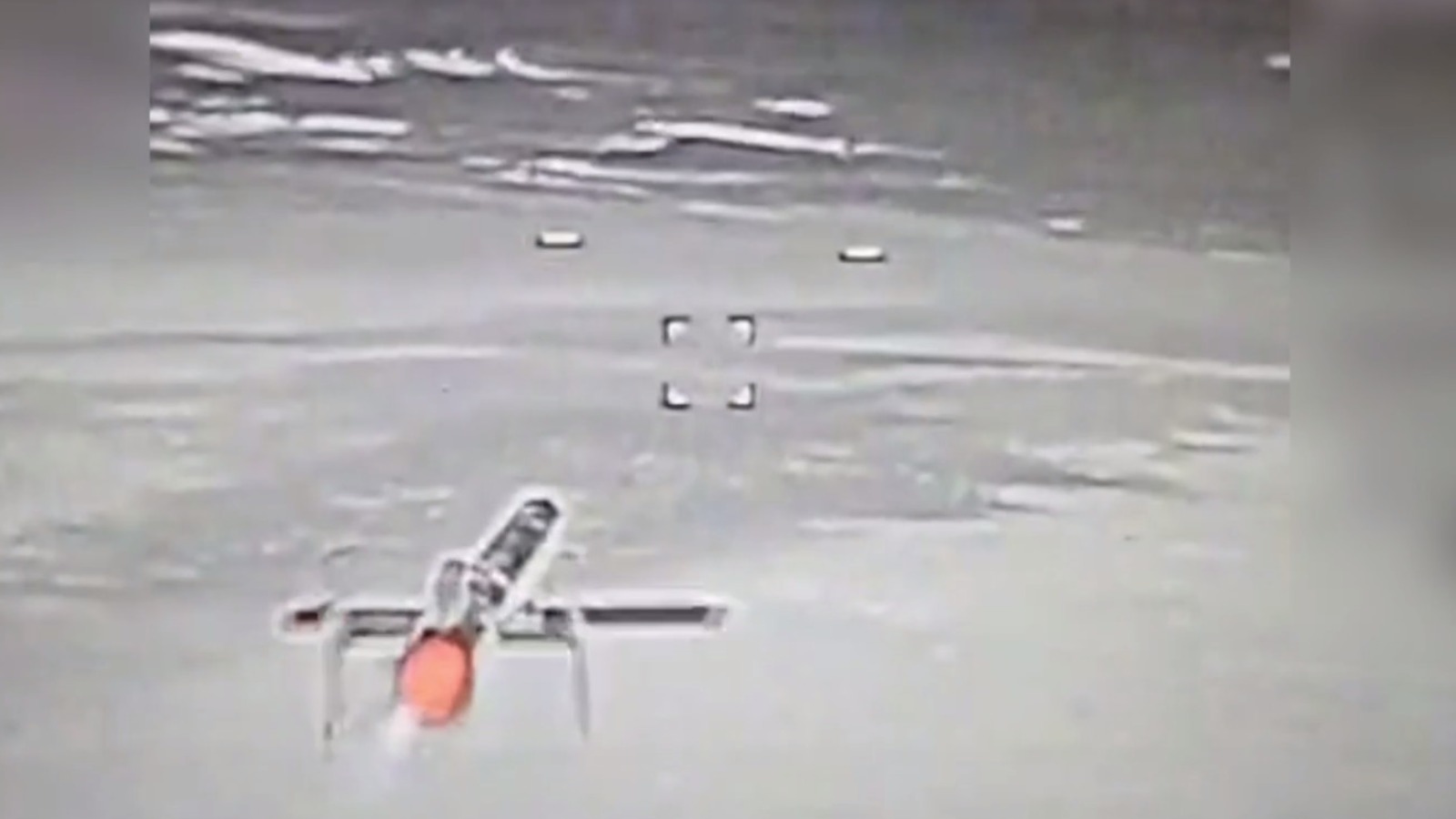
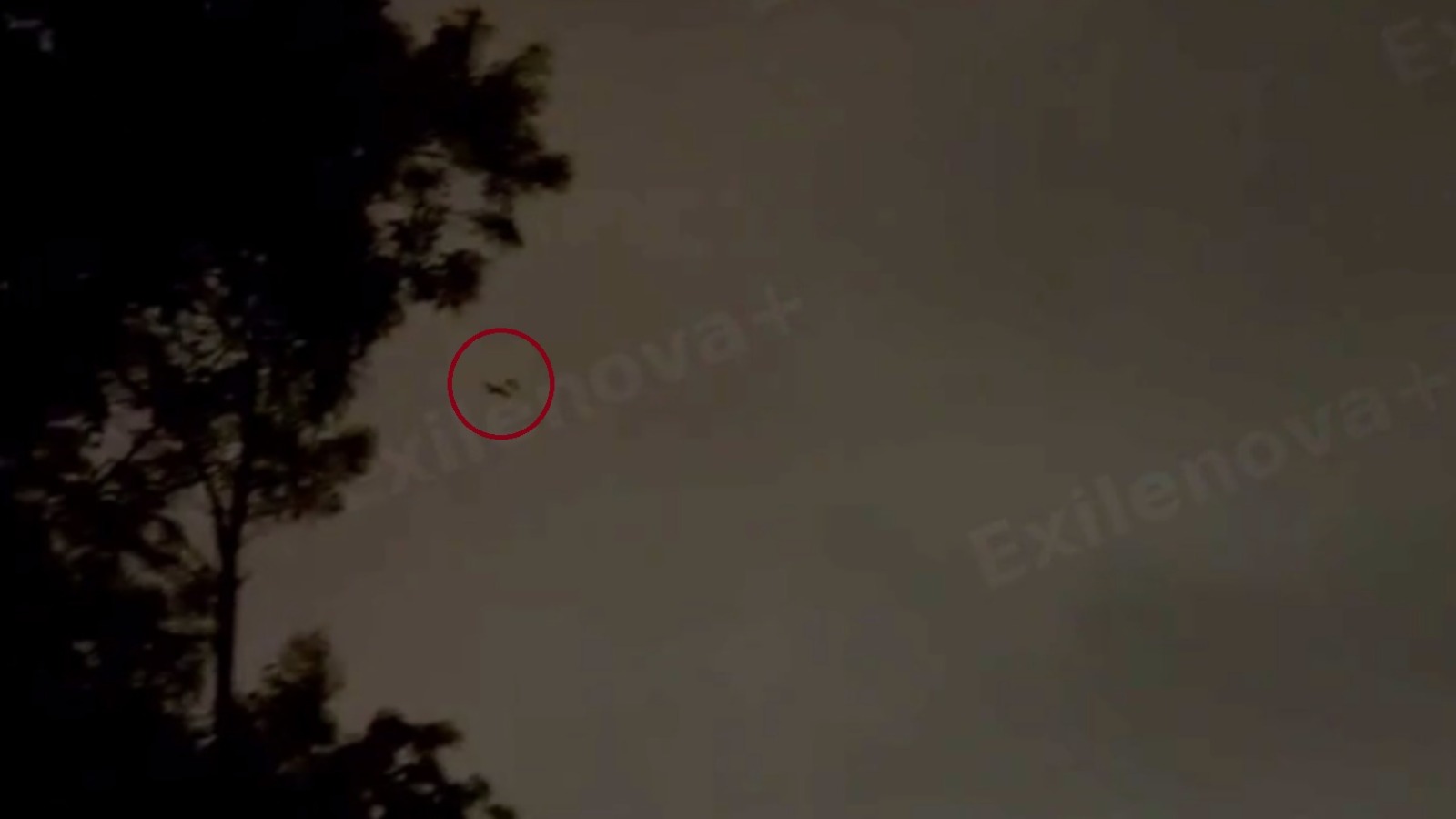
The reported pressure on Russian drone crews came as the 3rd Army Corps observed a marked increase in Russian unmanned activity. The commander said Russian forces sharply expanded their use of Molniya fixed-wing strike drones and that, at one point, the number employed rose by dozens of times.
According to the corps, Molniya drones were used to attack equipment, artillery systems, forward positions and air-defense assets, including radar stations. The reported targets indicate that the aircraft were being employed against both front-line forces and the systems used to detect and engage aerial threats.
Russian forces also increased the use of fixed-wing reconnaissance drones, the corps said. It specifically recorded more active employment of the Knyaz Veshchiy Oleg unmanned aircraft. Ukrainian units additionally reported intercepting a range of Russian drone types: Zala, Orlan, Supercam, Marlin, Skat-350M and Koschei.
The commander said Russian forces attempted to counter Ukrainian aerial reconnaissance using Sokol-type interceptor drones. At the tactical level, he reported the use of reconnaissance and strike multicopters, fiber-optic drones, and modified first-person-view aircraft referred to as “zhduny.” Those modified FPV drones land and remain in place to wait in ambush for a target, according to the report.
Russian forces seek air-defense vulnerabilities
Air-defense assets remained priority targets for Russian forces, the commander said. He stated that Russian units were continually trying to identify Ukrainian air-defense systems and find weak points in their deployment. The reported front-line targets included radar stations, short-range surface-to-air missile systems and launch positions used for interceptor drones.
The Ukrainian units involved used camouflage, field fortifications and timely movement away from areas considered vulnerable to strikes, according to the commander. He said the air-defense forces and equipment involved in the operation had been preserved without damage. The claims concerning both the reported redeployment and the protection of Ukrainian assets rely on the corps commander’s account to Militarnyi.