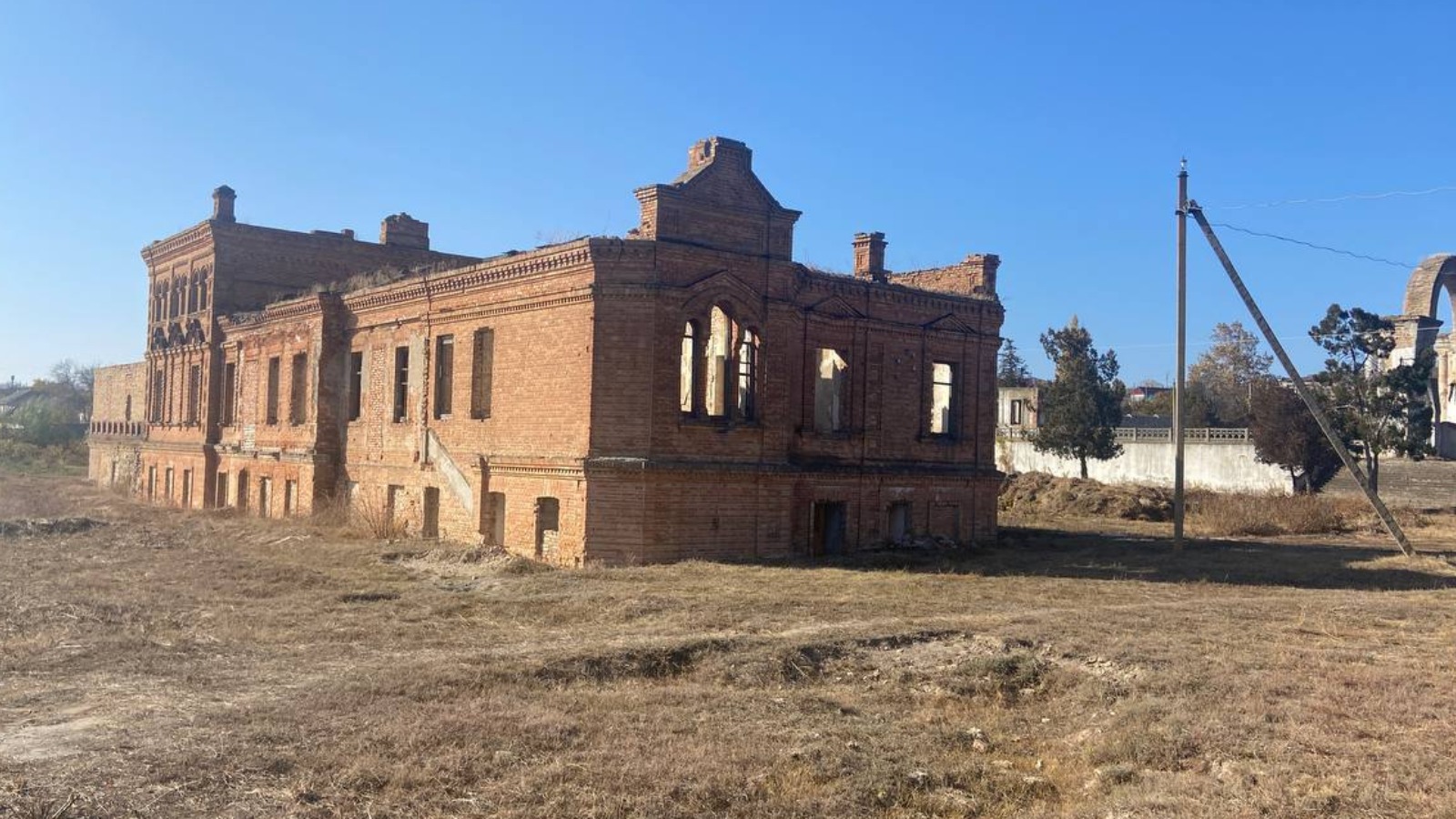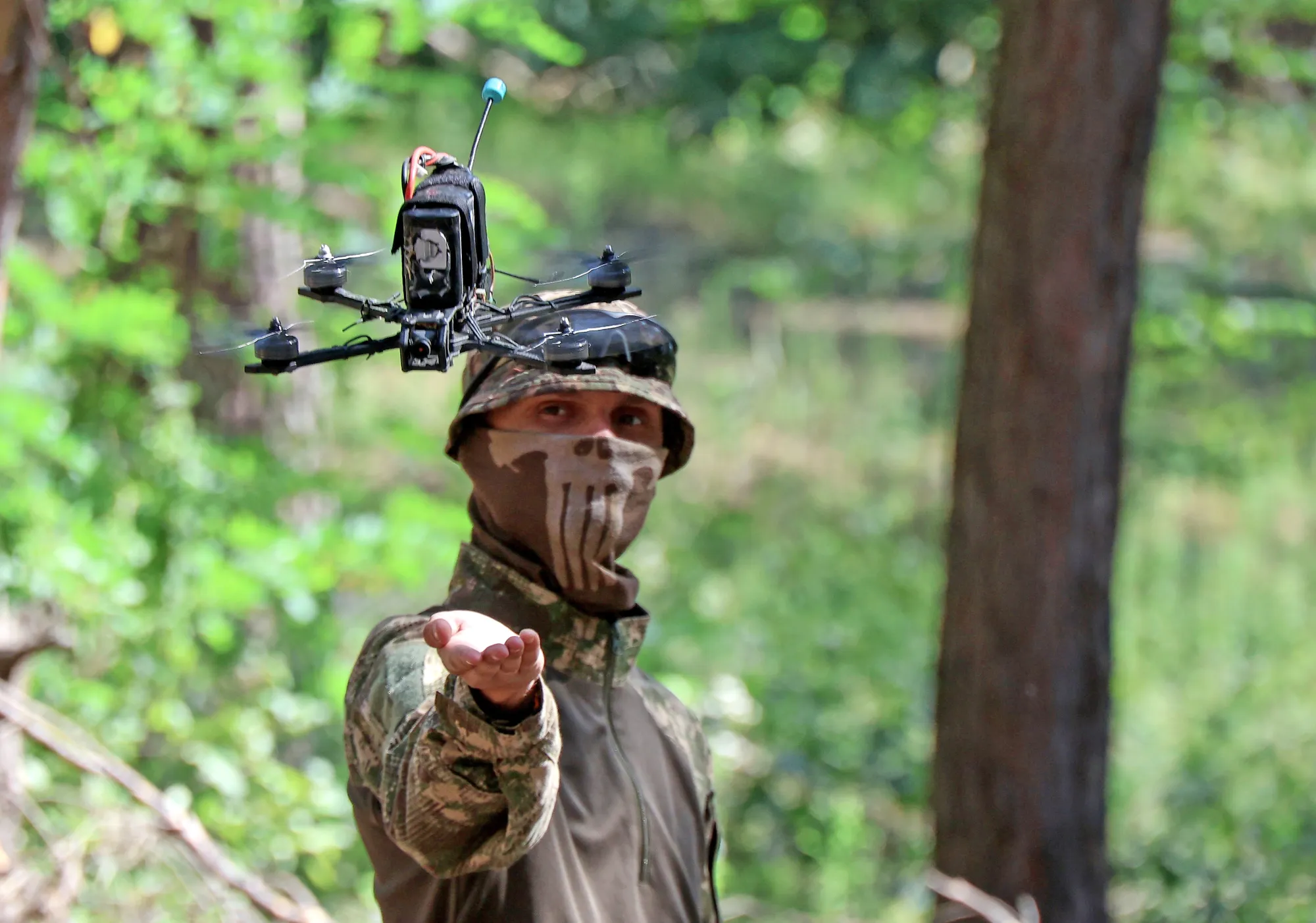
Ukrainian forces say their ongoing Operation Vivaldi near Lyman in eastern Donetsk Oblast has brought together first-person-view drone strikes, reconnaissance, special operations elements and, in what the Third Army Corps has described as a first, the airlifting of unmanned ground vehicles behind Russian lines. Kyiv says it has recovered about 125 square kilometers in the Lyman area during the operation, a battlefield claim that remains difficult to independently verify while combat continues.
The operation’s unmanned component has included search-and-strike missions by FPV operators from FATUM, a unit of Ukraine’s 60th Mechanized Brigade. Footage released by the Third Army Corps showed the operators engaging Russian armored vehicles, a Grad multiple-launch rocket launcher and personnel on the Lyman front. The corps has also said that its unmanned units struck Russian logistics infrastructure, including a pipeline and depots, compelling Russian forces to alter fuel and lubricant supply routes.
Details of Vivaldi were outlined by Col. Rodion Kudryashov, deputy commander of the Third Army Corps, in an editorial published in Ukrainian Pravda. Kudryashov presented the offensive not as an immediate assault but as the product of a preceding effort to restore unit cohesion, reorganize command arrangements, establish a surveillance-and-strike system and secure the corps’ forward line before moving to reclaim ground.
The account provides a view of how Ukrainian formations are seeking to employ uncrewed systems as part of a wider tactical system rather than as isolated strike assets. In the Lyman sector, according to the corps, drones and reconnaissance supported efforts to disrupt logistics, counter Russian infiltration, build an operational picture and prepare the conditions for maneuver. Separately, Ukraine is testing ground-based radio-beacon networks intended to preserve drone navigation where satellite-navigation signals and conventional radio-control links are disrupted by electronic warfare.
Command changes and a stabilized front
Kudryashov said the groundwork for Vivaldi began after the Third Army Corps was formed and changed the command structure of its subordinate units. Some brigades entering the corps had emerged from heavy fighting with losses, personnel shortages and diminished confidence in leadership, he said. Corps commander Brig. Gen. Andriy Biletsky set a principle that commanders should be responsible for the full sequence from training personnel through battlefield results, according to Kudryashov’s account.
That approach led, in different cases, to replacing commanders, restructuring staffs, strengthening noncommissioned-officer chains and building processes that, Kudryashov said, should already have existed on paper. He framed the changes as a move away from a rigid Soviet-era command model toward one designed for faster decisions in a conflict shaped by rapidly changing information, unmanned systems, logistics, reconnaissance and coordination with neighboring units.
In Kudryashov’s assessment, commanders must be able to process large volumes of information and understand the capabilities of uncrewed systems, logistics and reconnaissance without suppressing initiative at lower levels through extended approval chains. He argued that a force in which decisions require hours to move through the command hierarchy is disadvantaged against one that can complete the same process in minutes. His description ties command speed directly to the ability to employ surveillance and strike capabilities while conditions on the front change.
Before launching an offensive, the corps’ initial task was to halt Russian progress and stabilize the forward edge, Kudryashov said. He described Russian forces as using infiltration tactics in which small groups moved between positions, assembled in rear areas, threatened logistics and gradually weakened the defensive line. In some places, he said, Ukrainian combat formations had begun to lose cohesion under that pressure.
The response, according to the deputy commander, involved rebuilding command arrangements, appointing leaders able to make decisions, forming new teams, reconstituting units, sustaining the line and establishing the surveillance-and-strike system. He said the corps also had to stockpile ammunition, drones and other resources, understand Russian dispositions and plan subsequent steps while the preceding phase was still underway.
By June, the corps had secured the front in the area from Borova to Lyman and eliminated Russian infiltration zones, Kudryashov said. He characterized that stage as less visible than an offensive but necessary to make one possible. Without a predictable forward edge, he argued, forces cannot safely build up logistics, form a strike group or stop units from being continually diverted to seal new breaches.
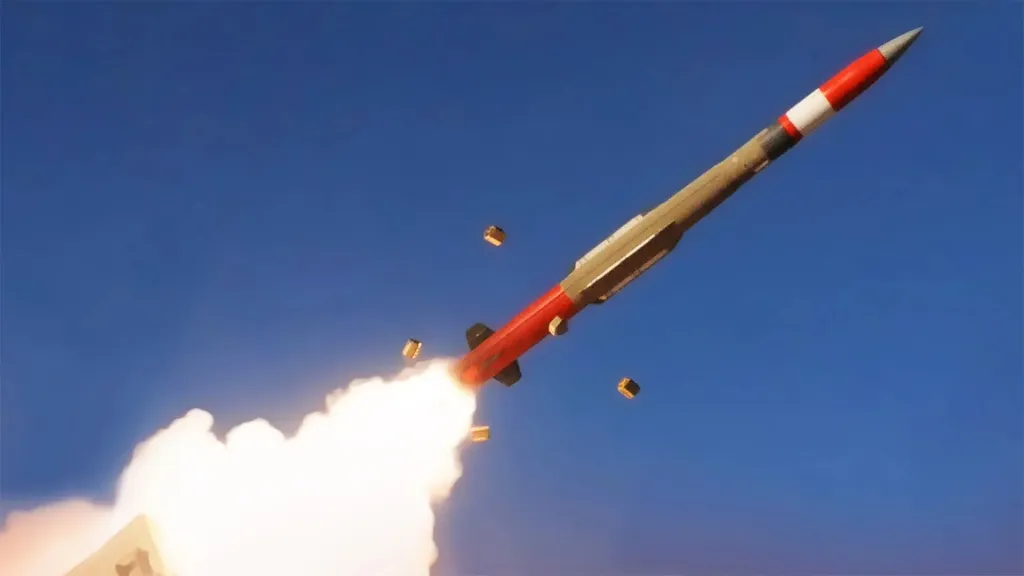
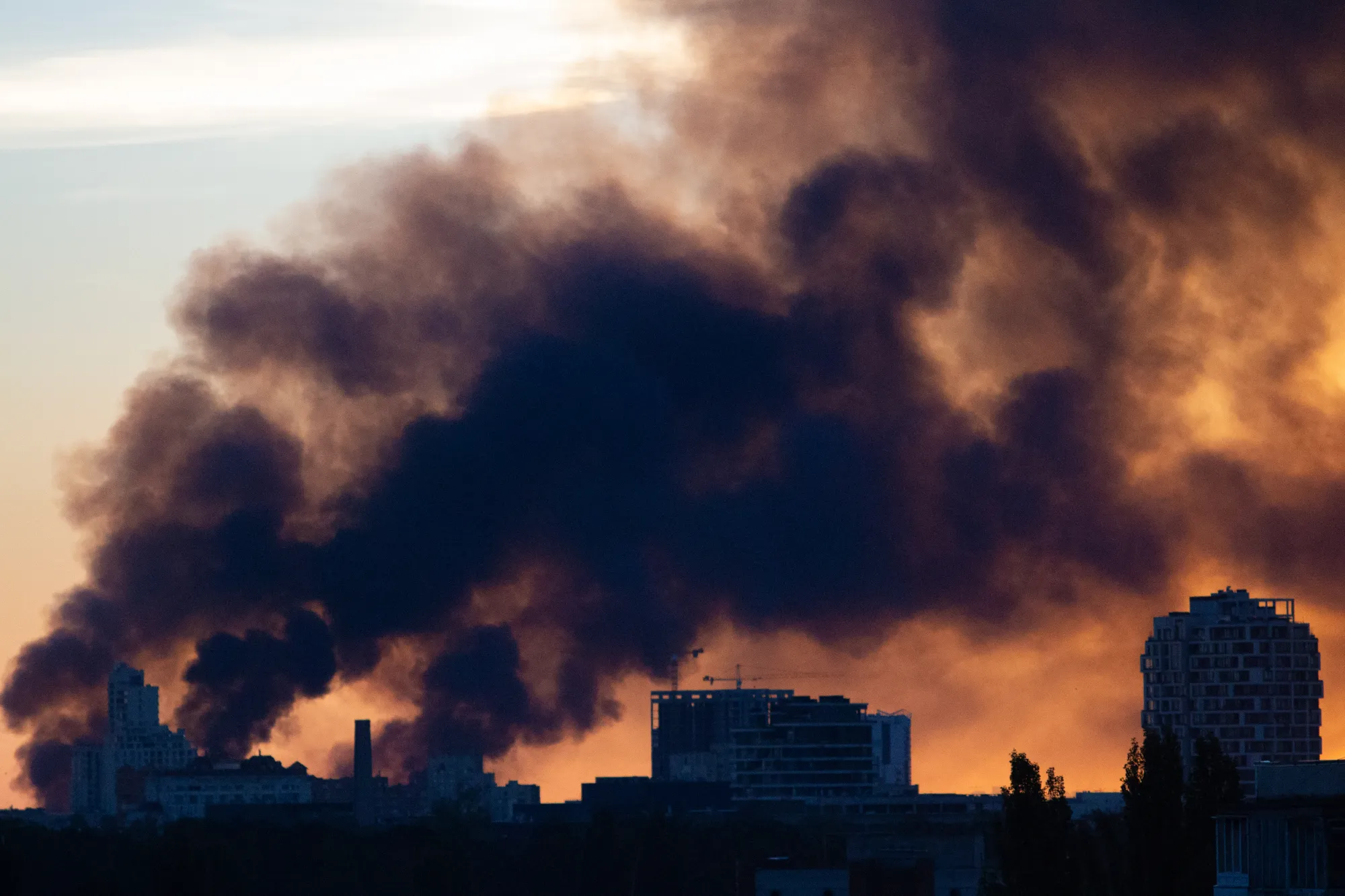
The next stage was to shape the battlefield. The corps’ unmanned units targeted Russian logistics, including a pipeline and depots, in strikes that Ukrainian officials say forced changes to Russian fuel and lubricant routes. Such claims were made by the Ukrainian side and the effects could not be independently assessed from the material released. The corps did not identify the types of unmanned systems used for the reported attacks, the locations of the facilities or the extent and duration of any disruption.
The broader Vivaldi force included the corps’ brigades, reconnaissance elements and unmanned units, along with attached personnel from Ukraine’s Special Operations Forces, Defense Intelligence directorate and State Border Guard Service, Kudryashov said. A joint headquarters was established to coordinate special and reconnaissance units at the tactical level under one concept for countering infiltration.
Kudryashov described the integration of distinct units and capabilities at the required moment as a defining feature of modern warfare. His account places unmanned systems within that combined structure: drones are used alongside ground units, logistics, reconnaissance and specialized formations, rather than as a substitute for those functions. The account also indicates that the corps viewed surveillance and strike coordination as a prerequisite for its eventual maneuver, not simply as a supporting activity once the offensive had begun.
FPV operations and reported UGV airlift
The Third Army Corps’ release concerning FATUM showed a more direct application of uncrewed aircraft in the sector. FPV drone operators from the 60th Mechanized Brigade conducted search-and-strike missions against Russian armored vehicles, a Grad launcher and personnel, according to the corps. The released footage supports that the unit was operating FPV aircraft against targets on the Lyman front, but it does not by itself establish the scale of damage or the wider military effect of individual strikes.
Ukrainian reporting around the operation has also described a flanking maneuver and the airlifting of unmanned ground vehicles behind Russian lines. The Third Army Corps characterized this as the first use of that method. The available account does not identify the UGV type, the aircraft involved, how many vehicles were delivered, the distance of the insertion or the missions assigned to the systems after arrival. Those details therefore remain undisclosed.
The reported airlift is notable because it would place a ground robot beyond the immediate Ukrainian line without requiring it to traverse the entire route under its own power. However, the corps has not publicly provided technical or operational evidence sufficient to assess the procedure, its repeatability or the vehicle’s subsequent role. The claim should therefore be treated as a Ukrainian operational assertion during an active campaign.
The Third Army Corps’ description connected the reported UGV insertion to its wider account of operations against Russian infiltration and its effort to conduct a flanking maneuver. It did not state whether the platforms were used to carry supplies, conduct reconnaissance, support assault troops, deliver munitions or undertake another task. It also did not say whether the vehicles were recovered, lost or remained operating after their reported deployment. Those omissions limit conclusions about the ground robots’ practical contribution to the reported territorial gains.
Elsewhere in Ukrainian footage circulated during the same period, a logistics UGV was shown assisting an overturned unmanned ground vehicle. The logistics robot approached the stranded platform and helped push it back onto its wheels. The video illustrated a practical use of one ground system to restore another system’s mobility, though it did not provide information about the vehicles’ identities, payloads, operating range or unit affiliation.
The footage also did not establish where or when the recovery occurred, whether the overturned robot had been damaged, or whether it was subsequently able to resume its original mission. Nevertheless, it showed Ukrainian operators experimenting with the use of a logistics ground vehicle for a physical recovery task, rather than solely for moving cargo. No public technical specifications for either platform accompanied the footage.
Ukraine’s stated territorial result from Vivaldi is the recovery of roughly 125 square kilometers near Lyman. Footage described as showing Ukrainian assault troops participating in the counteroffensive was presented as evidence of the liberation of five settlements in the Lyman direction. Neither the territorial figure nor the claimed settlement recoveries can be independently confirmed from the released material alone.
The Kremlin-connected Rybar Telegram channel has acknowledged Ukrainian gains in the sector, though it gave a different framing of the fighting. Rybar said Russian forces had advanced gradually toward Lyman in the first half of the summer, but that Ukrainian forces began counterattacks in August and had regained some positions by the first week of September. It also said Ukrainian troops had sought to retake Shandryholovo and Zarechnoye.
Rybar said Ukrainian forces later deployed reserves for an offensive toward the Zherebets River, with the apparent aim of aligning the front along the water barrier and restoring a configuration it said had existed at the end of 2025. The channel argued that the Russian force concentration in the salient had been relatively low and claimed Ukrainian attacks had not inflicted significant losses. Those assessments are Russian-aligned claims and could not be independently verified.