The Pentagon is transferring its Top Drone competition program to the U.S. National Drone Association, placing the nonprofit organization at the center of a growing Defense Department effort to measure and improve small-drone operator skills under simulated battlefield conditions.
The move follows the inaugural Top Drone demonstration at a Technology Readiness and Experimentation, or T-REX, event run by the Pentagon’s research and engineering directorate last year. During that event, pilots flew drones in simulated battlefield conditions. Under the new arrangement, USNDA’s competition framework will become the primary venue for identifying troops with the strongest remote-pilot skills, according to the organization’s announcement.
Defense officials have promoted such competitions as a way to test systems, spread tactics across the force, identify talent and build an institutional focus on small drones. That emphasis comes as the U.S. military seeks to adopt technology that adversaries, particularly Russia, have used pervasively in combat for years.
“Achieving American drone dominance is about more than scaling lethal capabilities. It’s also about developing the world-class operators who will execute the mission,” said Pentagon CTO Emil Michael, according to the release, which his office affirmed. “We will continue to move at maximum speed to put our elite warfighters to the test, proving they can dominate in contested environments and across multiple domains.”
Emil Michael, Pentagon chief technology officer
A competition framework for drone operators
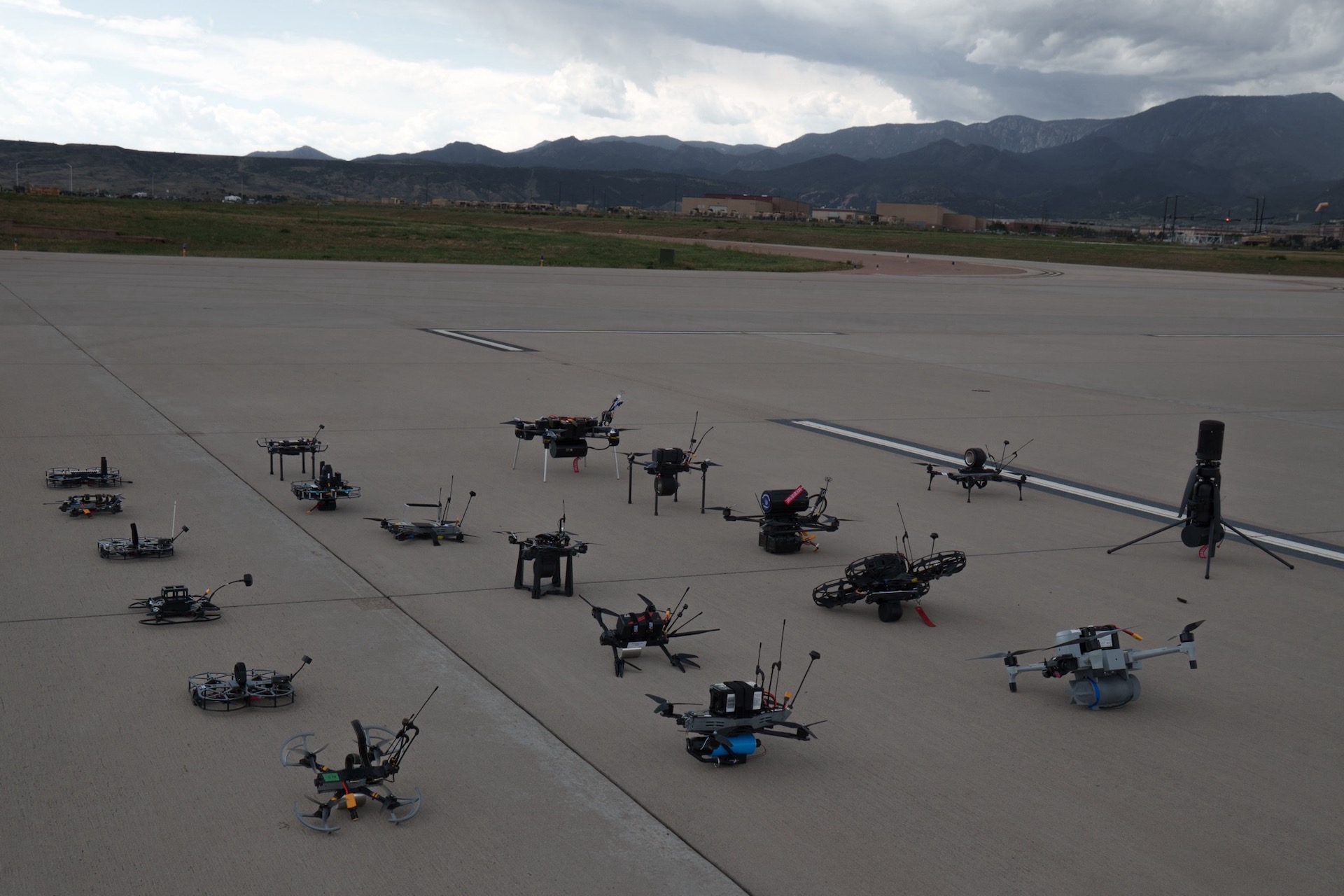
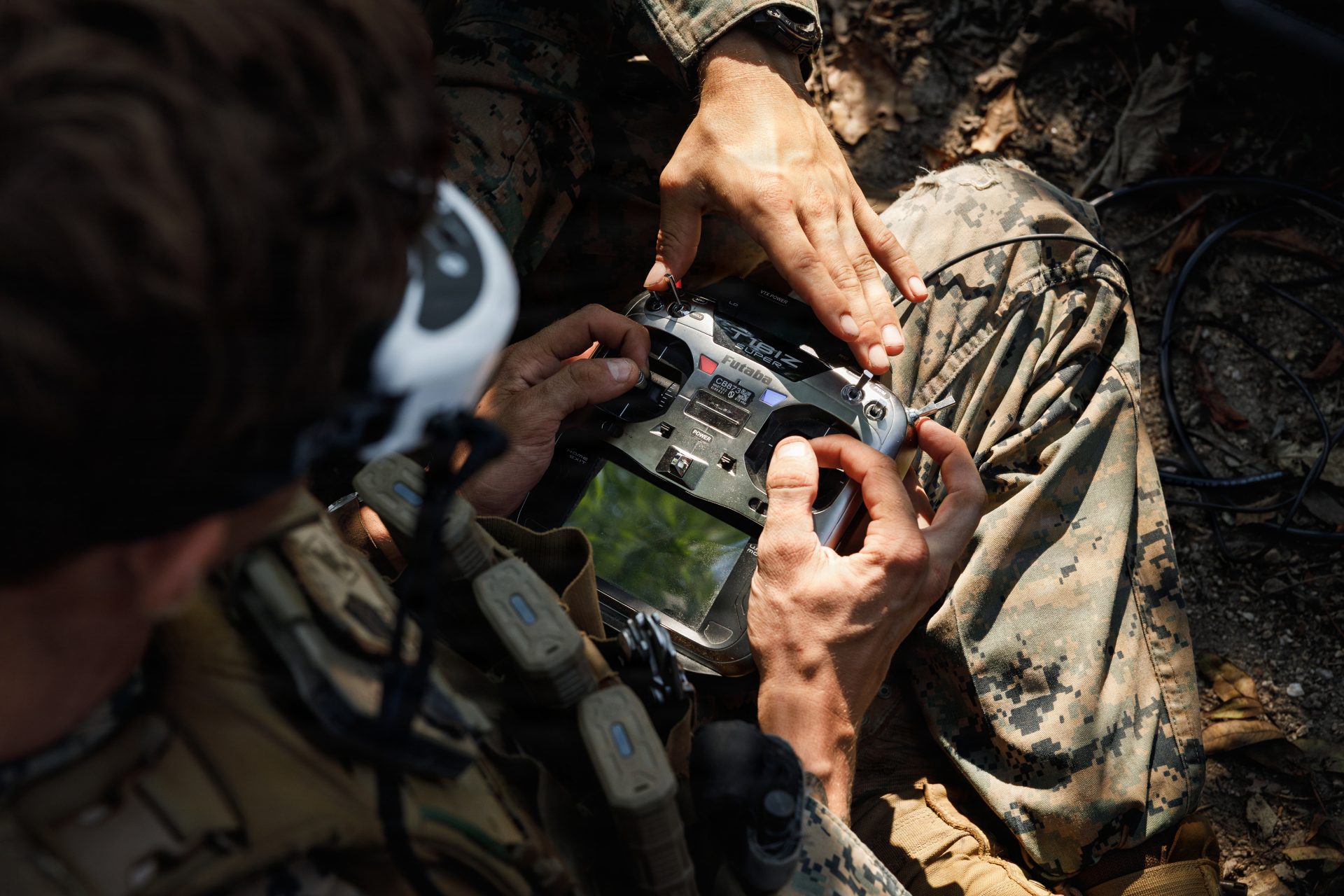
Established in 2024 as a nonprofit, USNDA has organized inter-service competitions and partnered with the military on swarm testing. The group says its events push small-drone operators “farther and faster” in simulated battlefield environments. Its competitions have subjected pilots to electronic-warfare stresses and varying terrain, while testing tasks including drone-led close-quarter combat room clearing and strikes against moving targets.
USNDA coordinated the military’s first Drone Crucible last September in Florida. The event brought together teams from the Army’s 75th Ranger Regiment and Aviation Center of Excellence, Navy SEALs, Air Force explosive ordnance disposal technicians and the Marine Corps’ Attack Drone Team. Founded by Marine veterans, the association also took part in developing the Marine Corps team, which became the military’s first formal UAS-focused organization when it was stood up in January 2025 and viewed competition as a mechanism for drone proliferation.
Other services and units have begun building their own competition programs. The Army named champions in its first Best Drone Warfighter Competition in February, while Army Special Forces completed an inaugural contest last month. USNDA is positioning itself as a hub that can connect those efforts through a common competition structure.
“Warfighters have a ton of demands on their time. We’ve seen lots of competing initiatives and programs vector at one core truth: competition creates excellence,” USNDA President Nathan Ecelbarger told DefenseScoop ahead of the announcement.
Nathan Ecelbarger, USNDA president
Ecelbarger said Top Drone is intended to provide an objective measure of operator performance, with closed reporting sent upward to support private adjustments to training, technology and tactics rather than public criticism.
National championship planned for fiscal 2027
USNDA’s Top Drone National Drone Wars Championship is planned for the first quarter of fiscal 2027. The organization did not disclose a location. Competition criteria will be developed by an interservice, operator-led advisory group administered by USNDA, while service academies, conventional forces and special operations forces are invited to participate.
Competitors will fly systems from the Defense Department’s Drone Dominance and Swarm Forge programs, which USNDA described as elements of the Pentagon’s billion-dollar plan to adopt small drones over the next several years. Operators also will be able to use USNDA drones supplied by industry and academic partners.
“Through our focus on rapid technology experimentation, we’ve seen time and time again, operator fluency is essential,” said Col. Matthew Limeberry, director of the Pentagon’s T-REX effort, according to the release. “Top Drone is about pushing operators to move faster and adapt to the changing operational landscape.”
Col. Matthew Limeberry, director of the Pentagon’s T-REX effort
Before the national championship, USNDA plans to hold its first overseas competition in Germany in November. The organization said it has invited Ukrainian special operators and other NATO allies. Qualification criteria and registration are expected to be posted to the Defense Department’s Drone Dominance website next month.