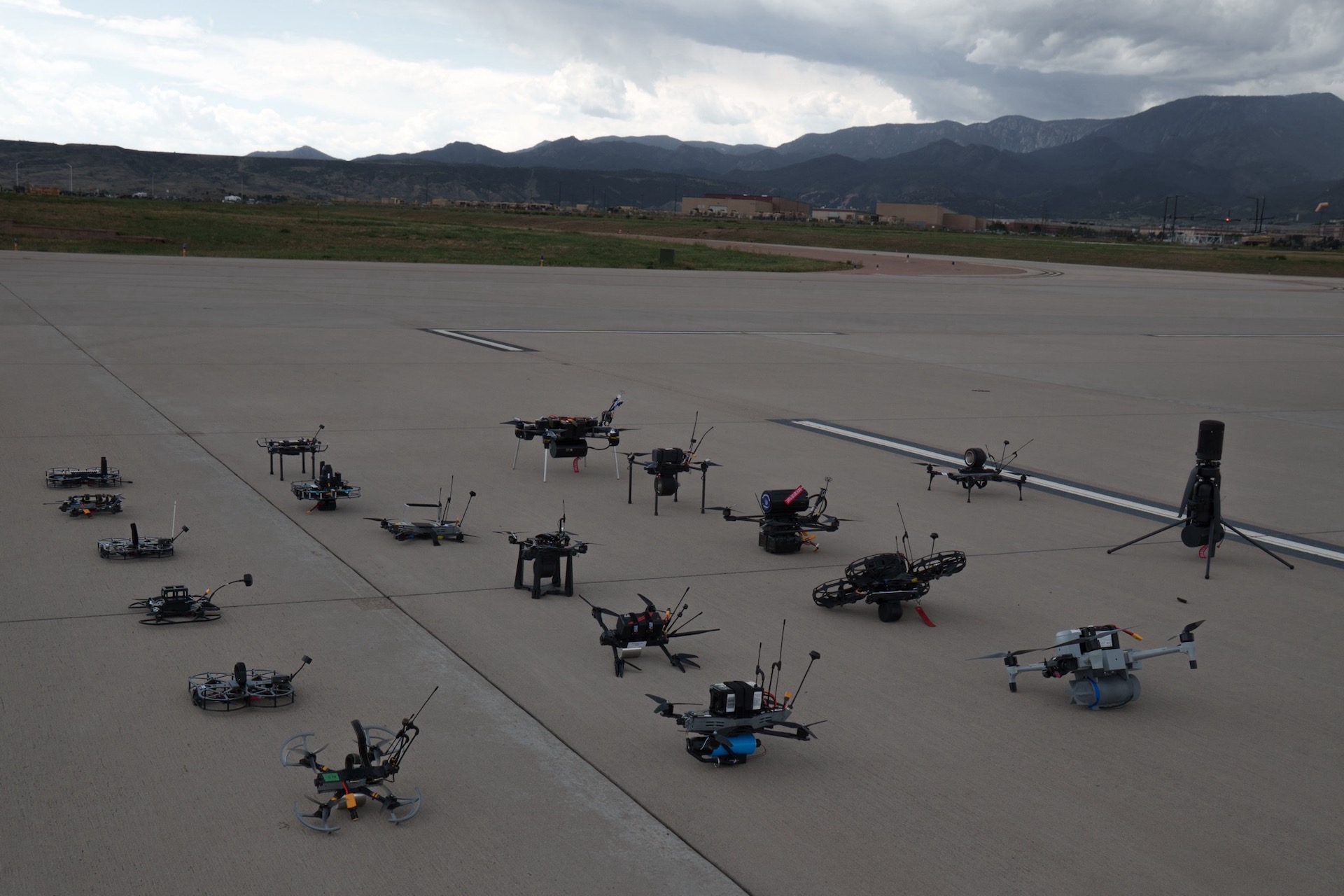
German authorities have attributed a failed explosive-drone attack at Leipzig/Halle Airport to Russia, saying a nearly monthlong investigation found police, intelligence and behavioral evidence pointing to a Russian hybrid operation. The incident occurred Aug. 4 near a Ukrainian cargo aircraft used to transport munitions to Ukraine, according to the German government.
The explosive-laden drone fell near the aircraft but did not detonate. A police bomb squad defused the device. German media later reported that two similar drones were found at or near the airport in the days and weeks that followed, adding to investigators’ assessment of the episode.
Government cites police and intelligence findings
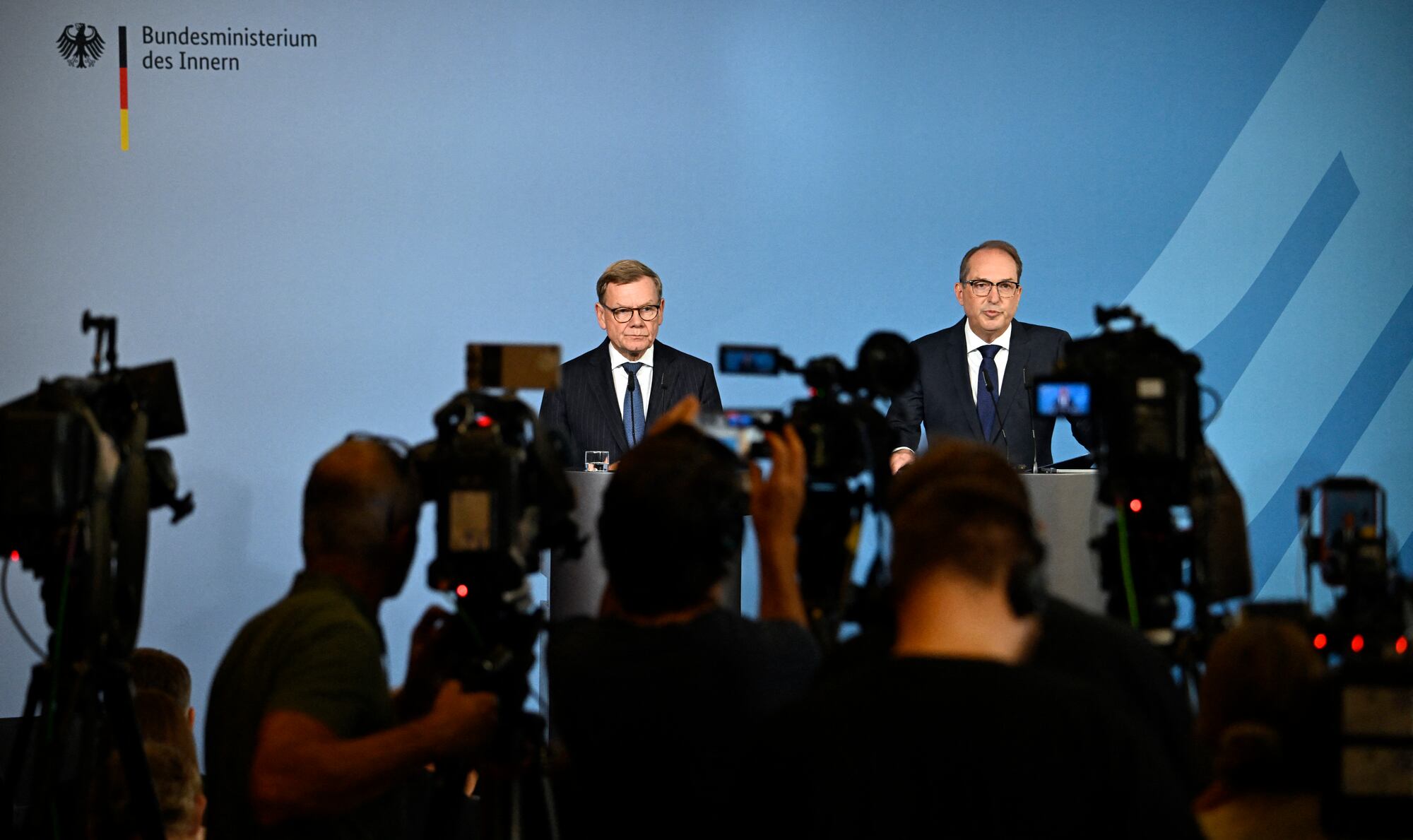
Interior Minister Alexander Dobrindt said the government’s conclusion drew on the combined results of the investigation rather than a single disclosed piece of evidence. “Taken together, police investigations, patterns of the act, and intelligence findings demonstrate Russian responsibility for the attempted attack at Leipzig Airport,” Dobrindt said. “The Federal Government therefore concludes that Russia is responsible for the hybrid attack in Leipzig on August 4.”
The announcement was made jointly by Germany’s interior and foreign ministers. Leipzig/Halle is a significant logistics hub for supplying Ukraine and supporting NATO airlift operations, placing the failed attack at an airport with an important role in the movement of military-related cargo.
Berlin announces diplomatic and immigration measures
Alongside the attribution, Berlin announced measures intended to penalize Moscow. Germany will close Russia’s consulate general in Bonn by Sept. 18. The 70,000-square-meter complex previously hosted Soviet intelligence rezidenturas during the Cold War, according to the report.
German authorities also plan to terminate leases for the Russian House for Science and Culture in Berlin, apply increased scrutiny to Russian citizens during immigration procedures, and press for additional visa restrictions, particularly for people connected to hybrid operations.
Moscow rejects allegation as EU and NATO voice support
Russia rejected Germany’s accusation. President Vladimir Putin called Berlin’s decisions a “grave mistake” and alleged that the German government had falsified evidence to divert attention from domestic political problems and Chancellor Merz’s popularity ratings. Russia’s ambassador to Berlin, who had previously been summoned by the Foreign Ministry, described the Leipzig incident as a “hastily concocted provocation” underlying “absurd” allegations.
Russia’s Foreign Ministry said it would “mirror” Germany’s actions, consistent with Moscow’s longstanding practice of responding to Western diplomatic measures with reciprocal steps. The European Union and NATO issued separate statements supporting Germany and expressing solidarity, while both organizations scheduled high-level discussions on the matter for Wednesday.