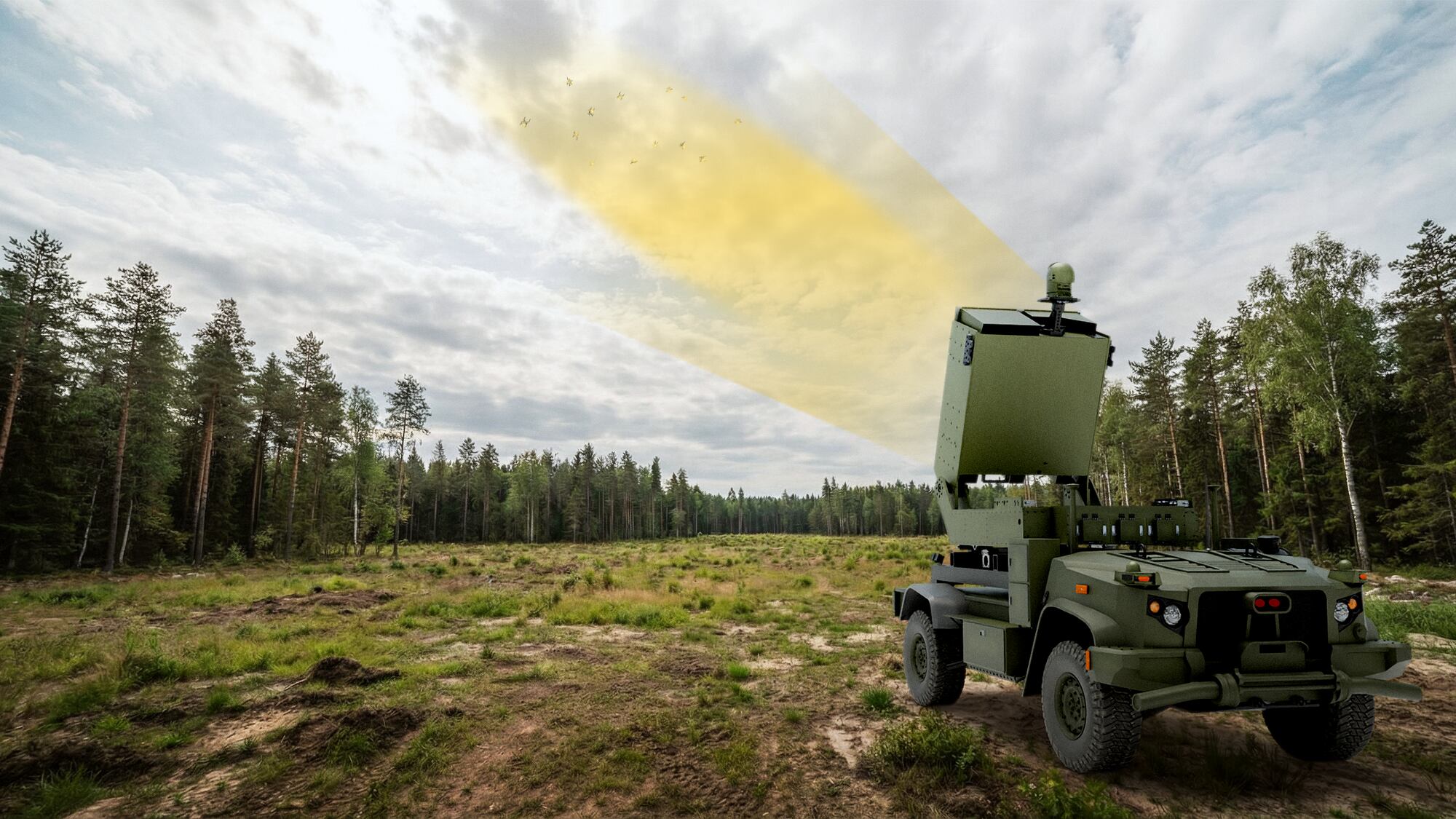
The U.S. Marine Corps has awarded electronic warfare company Epirus an $11 million contract for a vehicle-mounted high-power microwave system designed to counter drone swarms. The award, made through the Office of Naval Research, calls for delivery of a production-ready High-power Microwave Autonomous Vehicle Operational Capability, or HAVOC, system early next year.
HAVOC is intended to autonomously identify drone targets and use an electromagnetic pulse to bring them down. Epirus says its microwave energy beams, generated using gallium nitride transistors, can create a precise interference effect against swarming drones while limiting collateral damage. The company characterizes the system as suited to defending critical points and mobile formations, missions relevant to Marine expeditionary units.
A follow-on to Marine prototype testing
The contract follows Marine Corps testing of Epirus’s Expeditionary Directed Energy Counter-Swarm, or ExDECS, prototype. Epirus delivered that system to the service last year under a separate $5.5 million contract. HAVOC is a more capable successor, according to the company, with three times the power of ExDECS as well as improved range, ruggedness and autonomy intended to reduce the decisions required of human operators.
We’ve tripled the power density nearly in this system. So think of it, from a laser point of view that a lot of people are familiar with, like going from a 50-kilowatt to 150-kilowatt type laser in the same size package. So that directly kind of contributes to lethality, range, these types of things.
Andy Lowery, Epirus CEO, speaking to Defense News
Lowery said the system’s increase in effective range is significant, but did not provide figures. He also pointed to reliability improvements and a design better suited to difficult operating environments, including weather, dust and the locations in which Marines may employ the equipment. HAVOC will be supplied on a universal sled mount, which Epirus says is intended to enable integration across the Marine Corps’ manned and unmanned ground-vehicle fleets.
Lessons from Army deployments
Epirus’s work with the Marine Corps is proceeding alongside its counter-drone program with the U.S. Army. The Army signed a $66 million agreement with Epirus in 2023 for the Leonidas counter-drone weapon prototype and received its first system for testing late that year. The service subsequently deployed systems experimentally to the Middle East and Pacific, and last year awarded a nearly $44 million contract for two more systems.
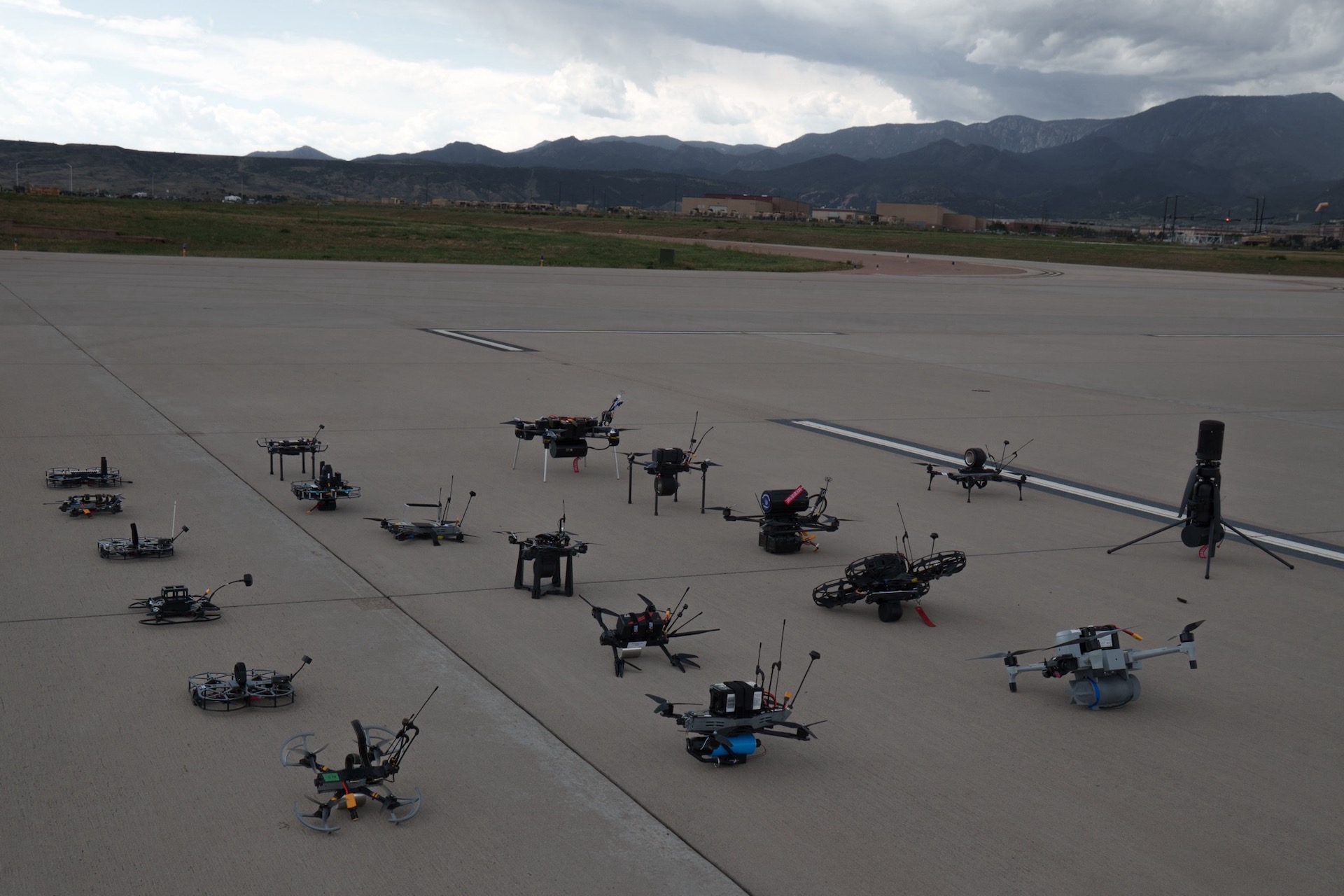
Shortly after that latter award, Epirus announced that Leonidas had brought down 49 aerial drones with a single pulse during a live-fire demonstration. Lowery said testing and evaluation with the Army, especially in deployed settings, helped shape the requirements for HAVOC’s ruggedized, mobile design.
We realized sort of where the system was strong and where it needed to be improved, and so we’ve incorporated all of that learning into this second generation and getting it into a production-ready state.
Andy Lowery, Epirus CEO
Lowery said monsoon conditions encountered during testing exposed a leak in one system, prompting improvements to waterproofing and dust protection. Those changes are part of the effort to move the technology from prototype work toward a production-ready Marine Corps capability.
Part of a layered drone-defense effort
The Marine Corps is expected to evaluate HAVOC rigorously before incorporating it into its wider expeditionary drone-defense architecture. That architecture already includes the Light Marine Air Defense Integrated System, or L-MADIS, a counter-drone package installed on two lightweight all-terrain vehicles that can be transported by helicopter or MV-22 Osprey.
Lowery described high-power microwave systems as one layer rather than a complete answer to unmanned threats: a final defensive measure for drones that pass other defenses or arrive in quantities that overwhelm them. The HAVOC order gives the Marine Corps a path to test that approach in a vehicle-mounted, production-ready configuration built for its ground-vehicle fleet.