Lockheed Martin’s Skunk Works is planning to expand its Vectis experimental combat-drone effort from a single prototype to a five-aircraft fleet, with development already underway on four additional vehicles. The company disclosed the plan as it reported progress toward a first flight for the multirole, Group 5 uncrewed aircraft by the end of 2027.
The additional aircraft are intended to give the secretive Lockheed research organization a larger fleet for testing as it seeks to position Vectis for U.S. military requirements. The Air Force, Marine Corps and Navy are each pursuing collaborative combat aircraft, though Lockheed has not identified a specific program office or customer for Vectis.
“We are moving forward with a plan to build an additional four vehicles, bringing a total of five to include the original prototype,” Ron Fehlen, Skunk Works’ vice president and general manager, said. “Development work on those additional aircraft is already underway, and we'll have more specifics to share soon.”
Ron Fehlen, Skunk Works vice president and general manager
A growing test fleet
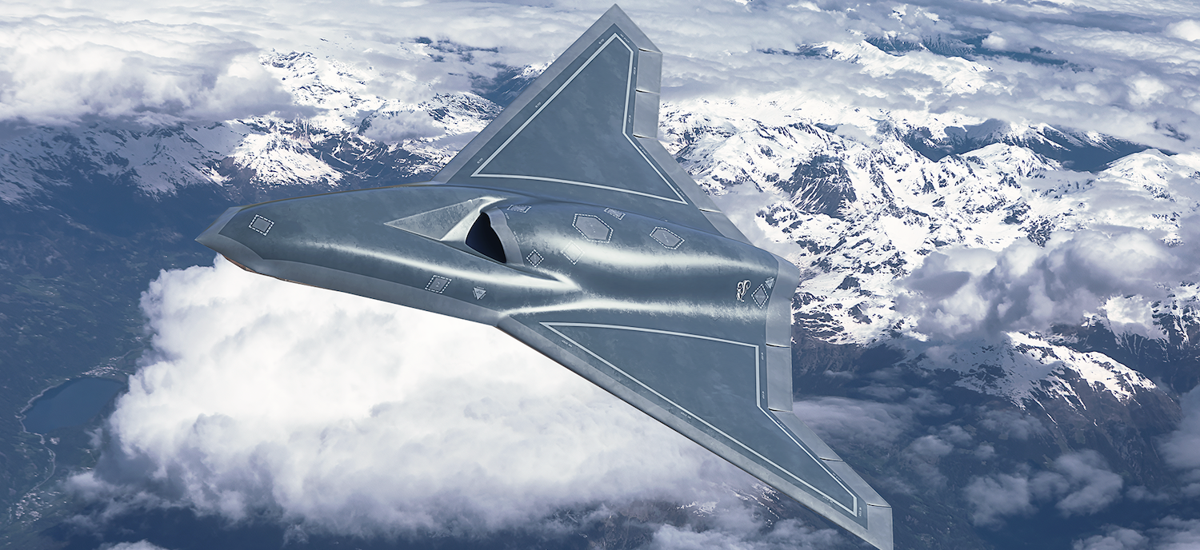
Skunk Works unveiled Vectis last year as a concept for a drone designed to undertake a range of missions. Ahead of the Air, Space and Cyber Conference near Washington, D.C., company officials released new images of the aircraft while offering a limited set of design details.
According to Lockheed, Vectis will be roughly 34 feet long with a wingspan of about 38 feet. The design includes a submerged engine inlet and a tailless body. Fehlen described the configuration in connection with reducing drag and providing mission flexibility, but the company did not disclose the aircraft’s propulsion system, weapons loadout or projected cost.
Those omissions leave key aspects of the aircraft’s intended capability unclear. Still, Fehlen said the company is targeting a collaborative-combat-aircraft price range and is making design tradeoffs with affordability in mind. He characterized Vectis as focused more on the CCA market, where price points are particularly relevant.
First flight targeted for 2027
Fehlen said Skunk Works remains on schedule to fly the original Vectis prototype by “the end of 2027.” He linked confidence in that target partly to the program’s use of digital design methods and what he called “minimal tooling determinant assembly,” an approach he compared with ready-to-assemble furniture that uses pre-drilled holes.
“It's a technique that really enables an increased level of affordability and speed through really reducing the amount of touch labor required and increasing the first pass yield,” Fehlen said. “We've seen in many cases an 80 percent reduction in labor hours to build up the aircraft itself.”
Ron Fehlen, Skunk Works vice president and general manager
Lockheed has not said which fighter aircraft Vectis would initially be paired with, nor has it committed the drone to a single service’s requirement. Fehlen said it could integrate with Lockheed Martin fighters and with other fighter aircraft produced internationally, pointing to the company’s established work in crewed tactical systems. The planned five-aircraft fleet would provide Skunk Works with a broader experimental base as it develops that integration proposition and pursues future CCA opportunities.