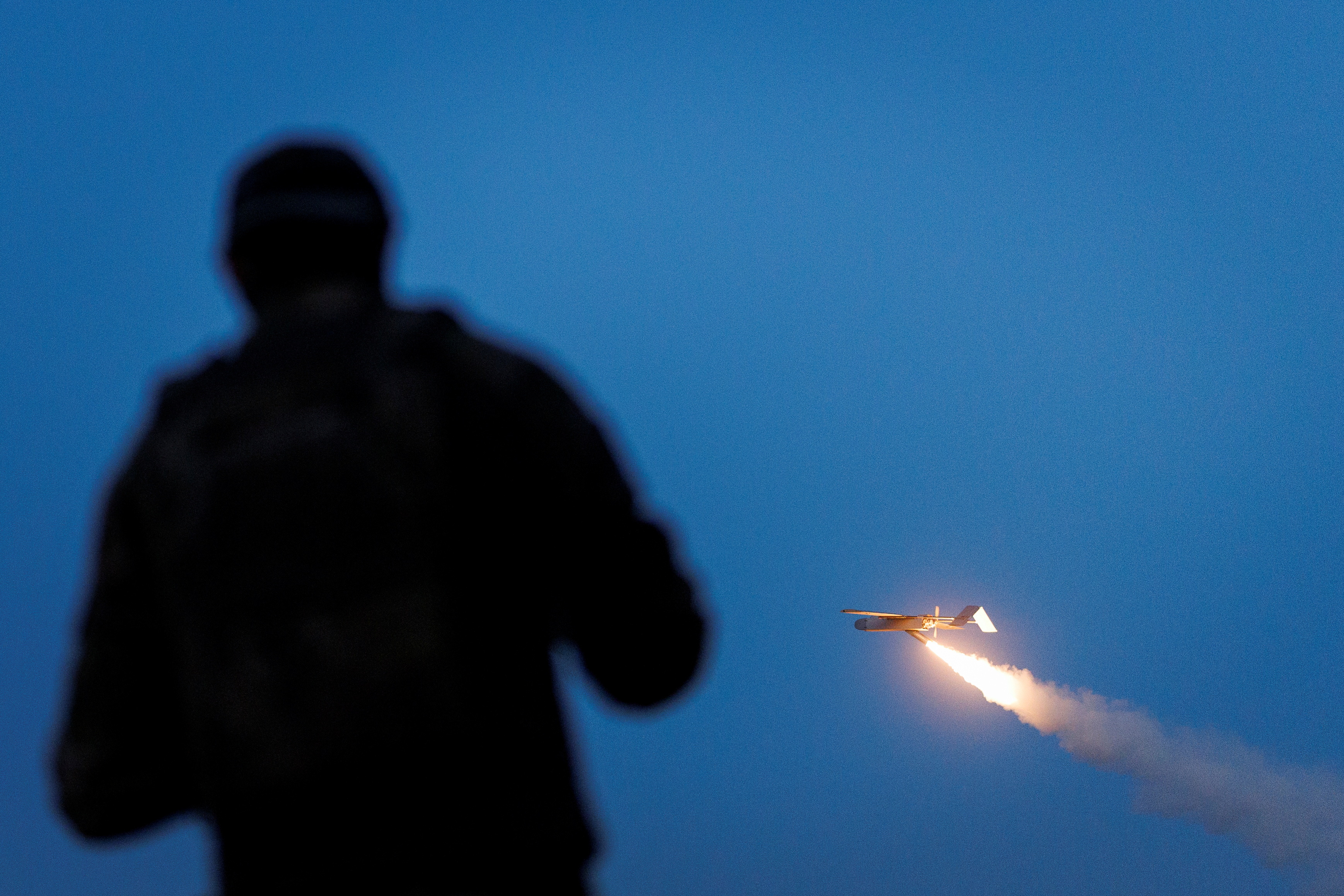
Ukraine is producing more than 2,000 Bars jet drones per month for use in special operations, according to a representative of the unnamed manufacturer. The representative provided the claimed output figure in comments to NV, describing a production effort that covers multiple versions of the unmanned aircraft rather than a single standard configuration.
“They are currently being used every day. Over 2,000 Bars units are produced each month—in various modifications and configurations,” the manufacturer’s representative said. The statement presents the reported monthly total as covering the broader Bars family, including aircraft configured for different mission profiles.
The representative also said the drones are being sent into combat rather than held as a reserve stock. “Basically, there’s no such thing as them sitting around in reserve—they’re all deployed to combat,” the representative said. The manufacturer’s claims concerning output and operational employment have not been independently detailed in the report.
Bars capabilities and reported missions
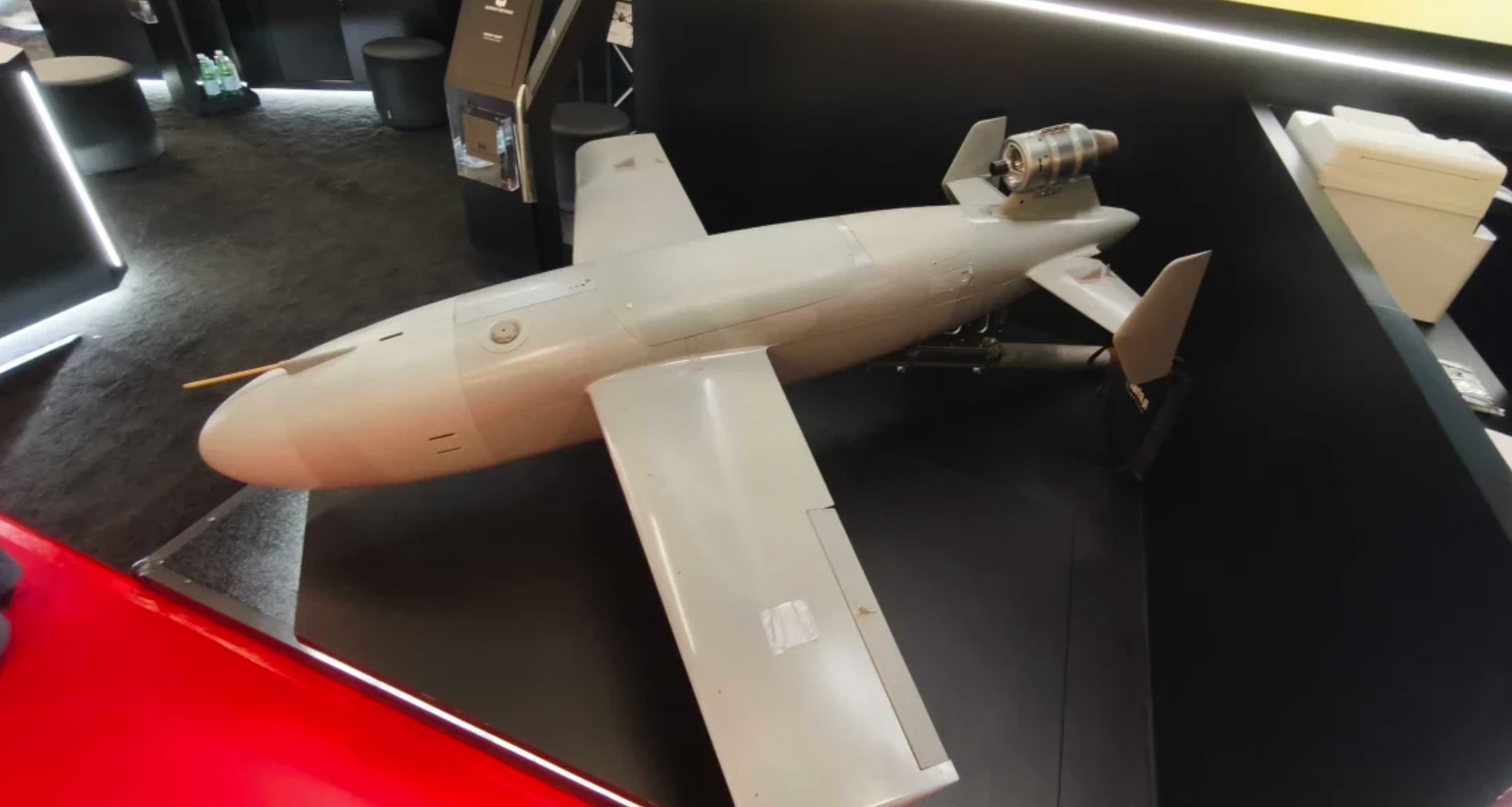
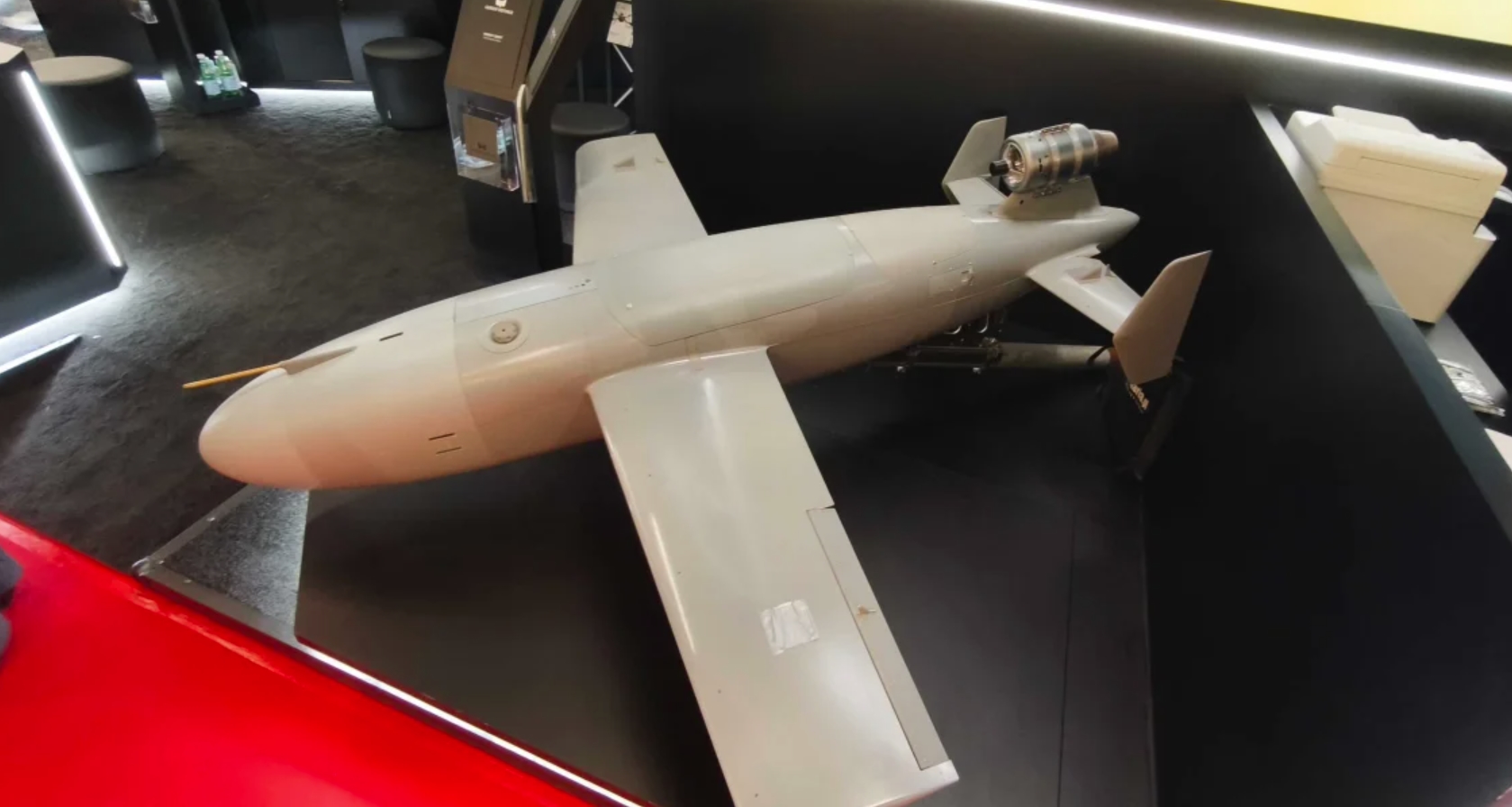
The Bars drone was announced in 2024, though the first photographs of the aircraft appeared only recently. Information attributed to the manufacturer’s representative gives the drone a 60-kilogram payload, an operational range exceeding 1,000 kilometers, and a maximum speed of up to 700 km/h.
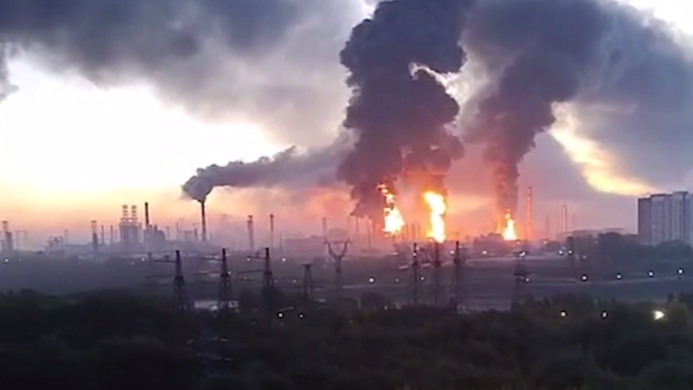
According to the representative, Bars drones have been used against oil refineries, power plants and substations. The representative also linked the jet-powered aircraft to special missions that have received little public reporting, saying their use in those missions reflects capabilities not available from conventional, non-jet drones.
In addition, our drones are the ones carrying out certain special missions about which very little—or nothing at all—has been reported so far. They’re used for these missions precisely because they have capabilities that conventional, non-jet drones lack.
Manufacturer’s representative, quoted by NV
The report does not provide further detail on the special missions cited by the manufacturer, their targets, or the particular capabilities involved. It does, however, identify a set of reported infrastructure targets—oil refineries, power plants and substations—and describes the aircraft as being used every day.
Middle-strike and deep-strike configurations
One Bars variant is known as the “middle strike” model. It is equipped with a camera and controlled by an operator, according to the manufacturer’s representative. That version is said to be actively deployed in operations involving the Black Sea and Azov Sea, Crimea, and other temporarily occupied territories.
The representative separately described a “deep strike” version that flies to specific coordinates 1,000 kilometers from the Ukrainian border. This configuration was presented as being associated with a growing number of missions. The representative said they had mapped more than 200 such missions about half a year earlier, and that the number had increased significantly since then.
And, of course, the ‘deep strike’ version, which flies to specific coordinates a thousand kilometers from the Ukrainian border. About half a year ago, I mapped out the missions. There were over 200 of them. Since then, that number has grown significantly.
Manufacturer’s representative, quoted by NV
Together, the manufacturer’s descriptions distinguish an operator-controlled, camera-equipped model used in operations involving the Black Sea, Azov Sea, Crimea and other occupied territories from a version described as flying to designated coordinates at long distance. The reported production figure itself was not broken down by configuration, and the representative referred only to output across “various modifications and configurations.”
Turbojet engine testing
In September, a new Ukrainian turbojet engine developed for Bars jet drones was reported to have passed final tests. That report concerned the propulsion system intended for the Bars aircraft, while the manufacturer’s later comments outlined the claimed production rate and the range of missions and configurations in which the drones are being used.